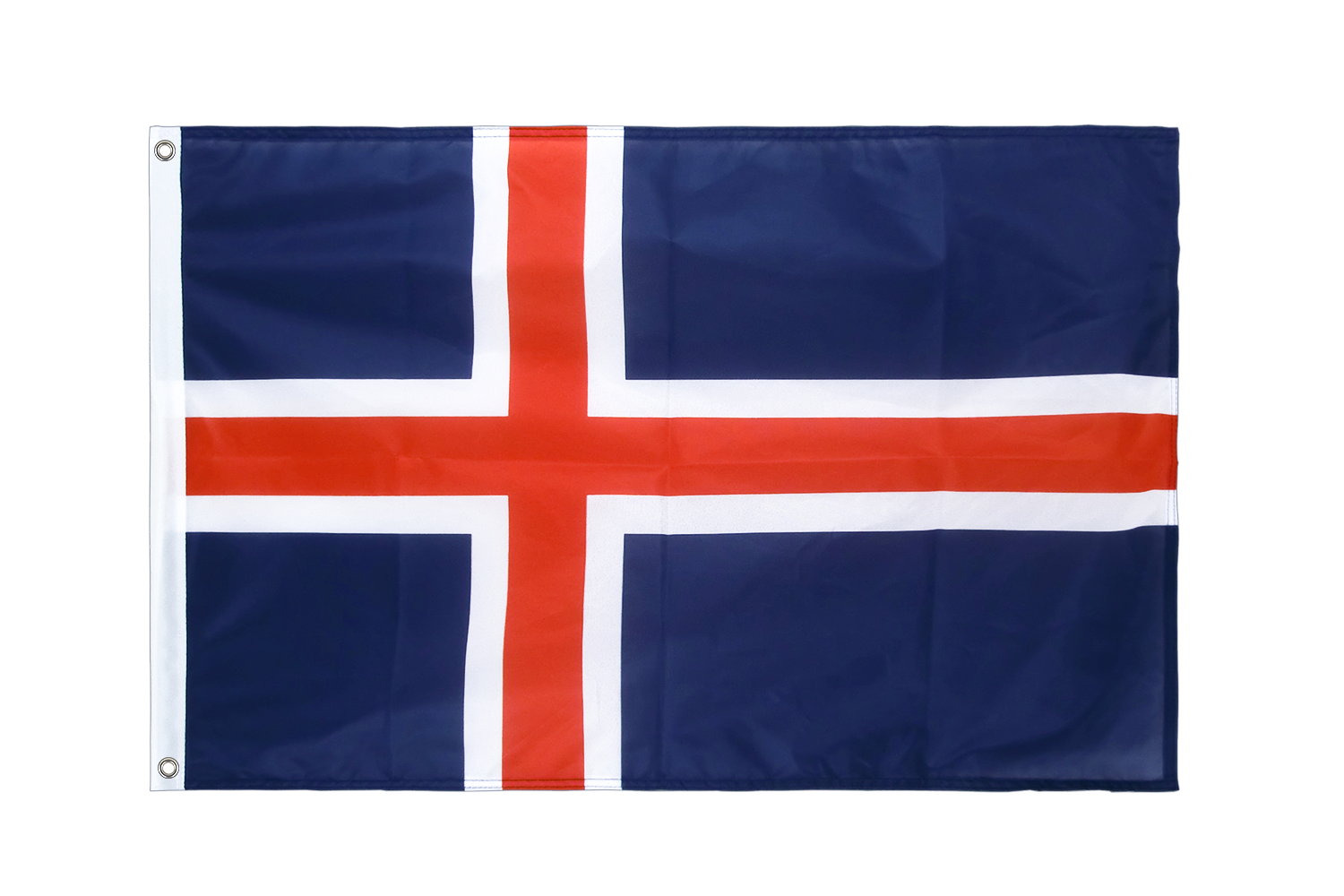
Prime Minister Kristrun Frostadottir had framed the vote as a critical juncture for the nation, suggesting that a rejection would effectively sunset the debate for her coalition's tenure. While the government argued that integration would stabilize trade and bolster Arctic security, the electorate remained unconvinced. Opposition forces successfully campaigned on the premise that Iceland’s economic volatility, characterized by high inflation and interest rates, requires domestic policy remedies rather than external alignment.
The fishing sector, which accounts for 15% of GDP and 40% of export revenue, served as the primary obstacle to the pro-EU platform. Voters expressed skepticism toward potential compromises on maritime resources, an issue that has defined Icelandic politics since the initial 2009 application. Although EU officials viewed Reykjavik as a strategic partner capable of enhancing the bloc’s influence in the Arctic, the result leaves Iceland firmly outside the Union. For now, the country continues to navigate its economic challenges independently, signaling a return to the isolationist fiscal approach that has historically dominated the island's political landscape.


Comments (0)
No comments yet. Be the first!