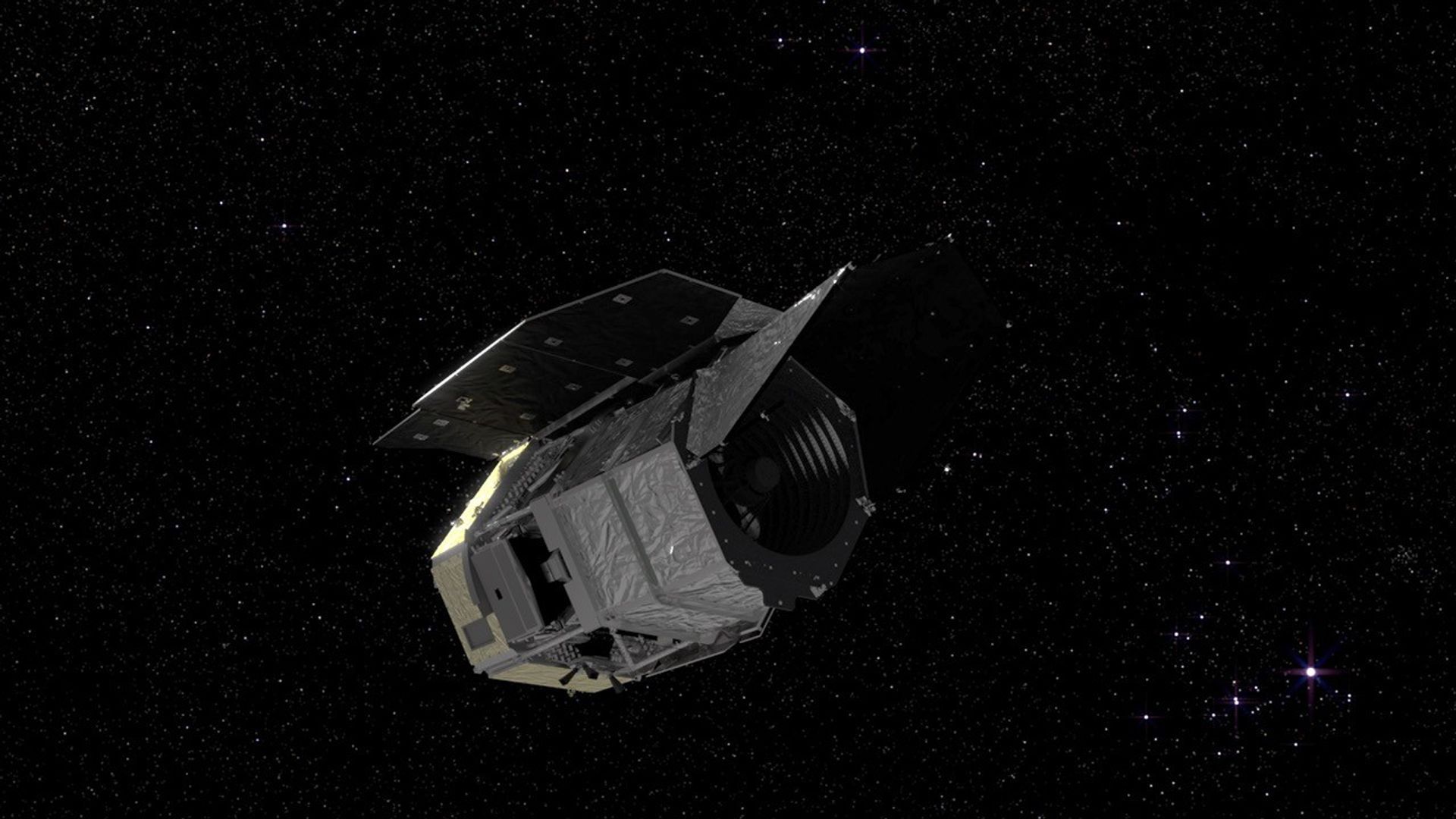
The telescope is headed for Lagrange Point 2, where it will spend at least five years—and potentially ten—charting the cosmos. While its predecessors, Hubble and the James Webb Space Telescope, have provided deep, high-resolution glimpses into the early universe, Roman is designed for breadth. Nicola Fox, chief of NASA's Science Mission Directorate, described the difference in scale by noting that while Hubble and Webb peer through a keyhole, Roman will effectively kick the door down.
Roman functions as a wide-angle lens, capable of surveying the entire Milky Way in just one month—a task that would require a century of observation time using Hubble. This efficiency allows the mission to construct the most comprehensive 3D map of the universe ever attempted, tracking over two billion galaxies. By measuring the gravitational pull of dark matter and the expansive push of dark energy, scientists hope to explain why the universe's expansion has been accelerating since its inception 13.8 billion years ago. Beyond these fundamental questions, the telescope will conduct an exhaustive census of exoplanets, potentially identifying thousands of new worlds in our solar system's likeness. Despite past political attempts to defund the project, the observatory reaches orbit nine months ahead of its original schedule.




Comments (0)
No comments yet. Be the first!