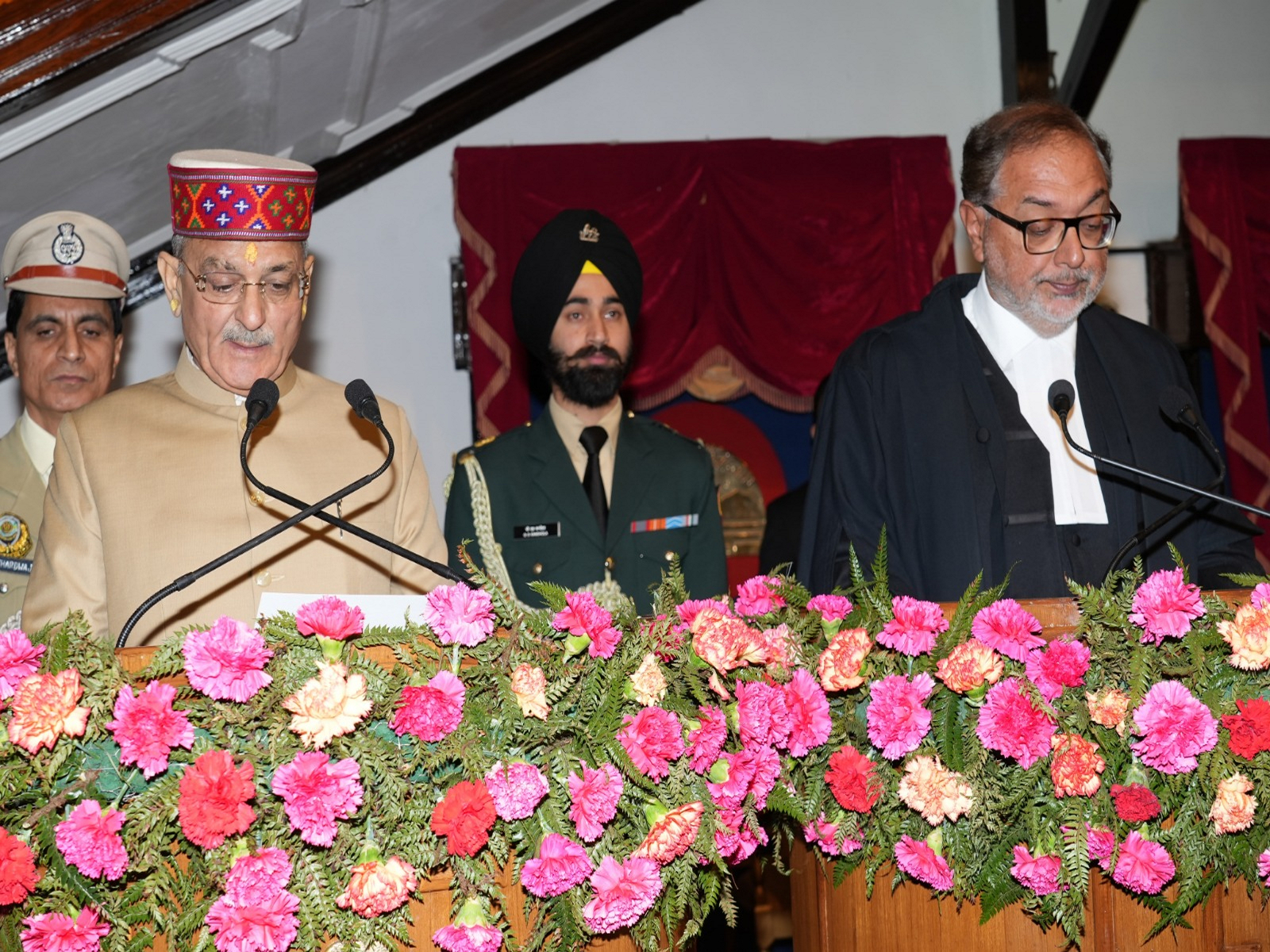
The warning follows reports from the All PM Package Employees Forum Kashmir, which alerted authorities to a digital threat poster purportedly issued by the United Liberation Council. The document, which remains under verification by security agencies, allegedly contains sensitive personal information, including names, home addresses, and vehicle registration numbers of employees working under the Prime Minister’s Package. While the forum has requested enhanced security at residential and transit locations, individual employees have signaled their defiance. One staffer stated that they refuse to be intimidated or forced from their birthplace, calling on the administration to identify the source of the leaked personal data.
Gupta asserted that the stability achieved in the Valley following the 2019 abrogation of Article 370—characterized by the cessation of stone-pelting and separatist slogans—has unsettled hostile actors. He dismissed the current intimidation campaign as a desperate attempt to revive an obsolete brand of regional politics. The situation has also drawn political scrutiny, with Congress leader Pawan Khera questioning the effectiveness of the Centre’s current Kashmir policy in light of the renewed targeting of displaced residents. Beyond regional security, Gupta also addressed the humanitarian crisis in Nepal, where flash floods have resulted in 626 confirmed deaths, pledging that the Indian government remains committed to providing ongoing disaster relief to the affected population.



Comments (0)
No comments yet. Be the first!