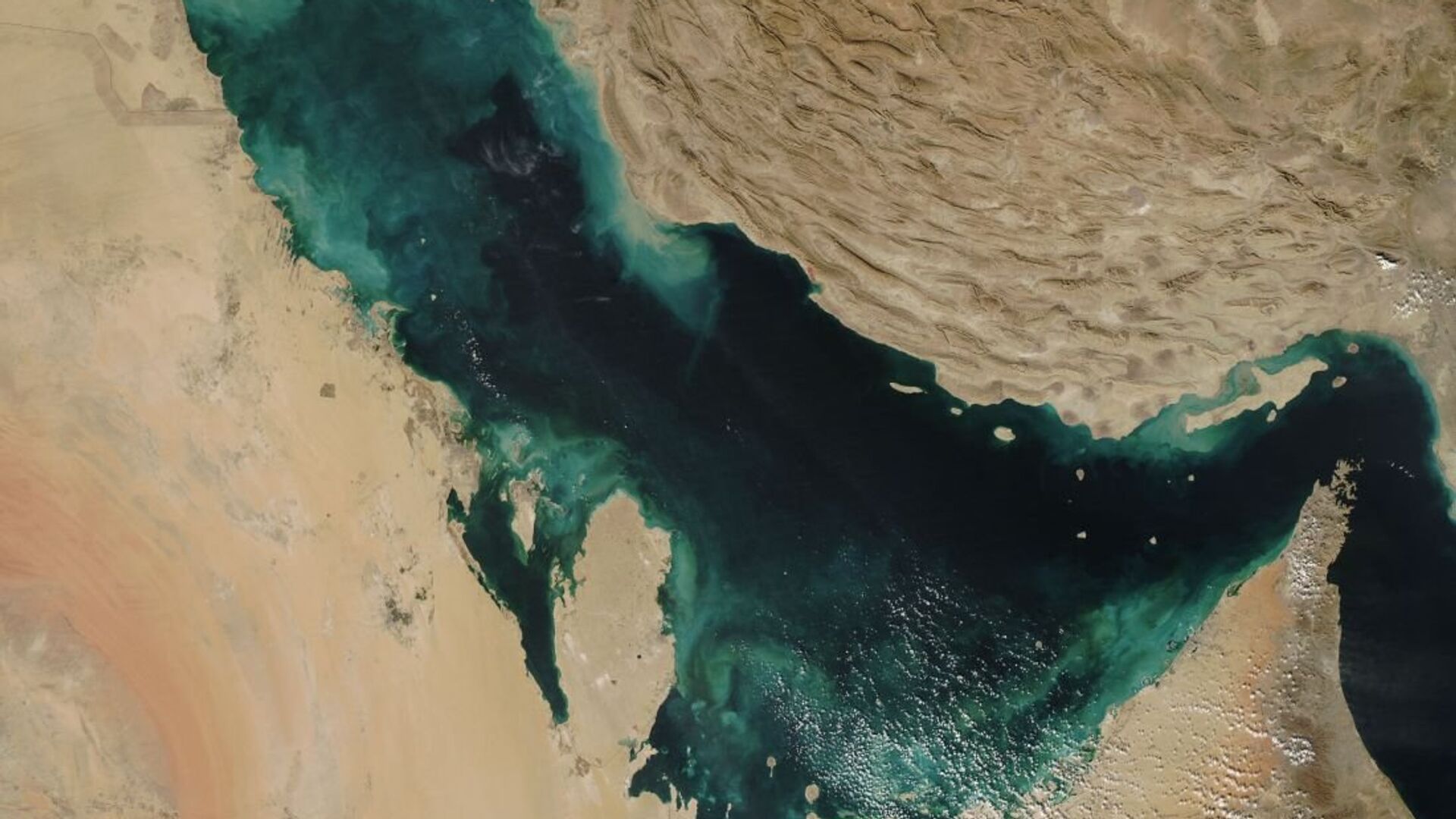
The frantic pace of visits—including a single-day gauntlet of meetings between Qatar’s prime minister and Iran’s top security, legislative, and executive brass—suggests an urgent search for a power broker capable of striking a deal. However, these sessions have yielded only rigid preconditions. Iran’s security officials have reiterated that the Strait remains closed until the United States lifts naval blockades, removes oil sanctions, and pays war reparations. These demands are not opening gambits but non-negotiable hurdles designed to stall formal talks.
At the heart of the impasse lies a technical agreement between Iran and Oman for a shared shipping corridor. While theoretically viable, the plan is entirely contingent on American concessions that Washington has shown no willingness to grant. The deal exists only on paper, serving as a placeholder for a regime whose internal decision-making authority remains fractured six months into a war that claimed the Supreme Leader and elevated his son to power. Without a clear chain of command or a genuine intent to compromise, the current diplomatic traffic functions more as a test of the mediators’ influence than a path toward regional stability.



Comments (0)
No comments yet. Be the first!