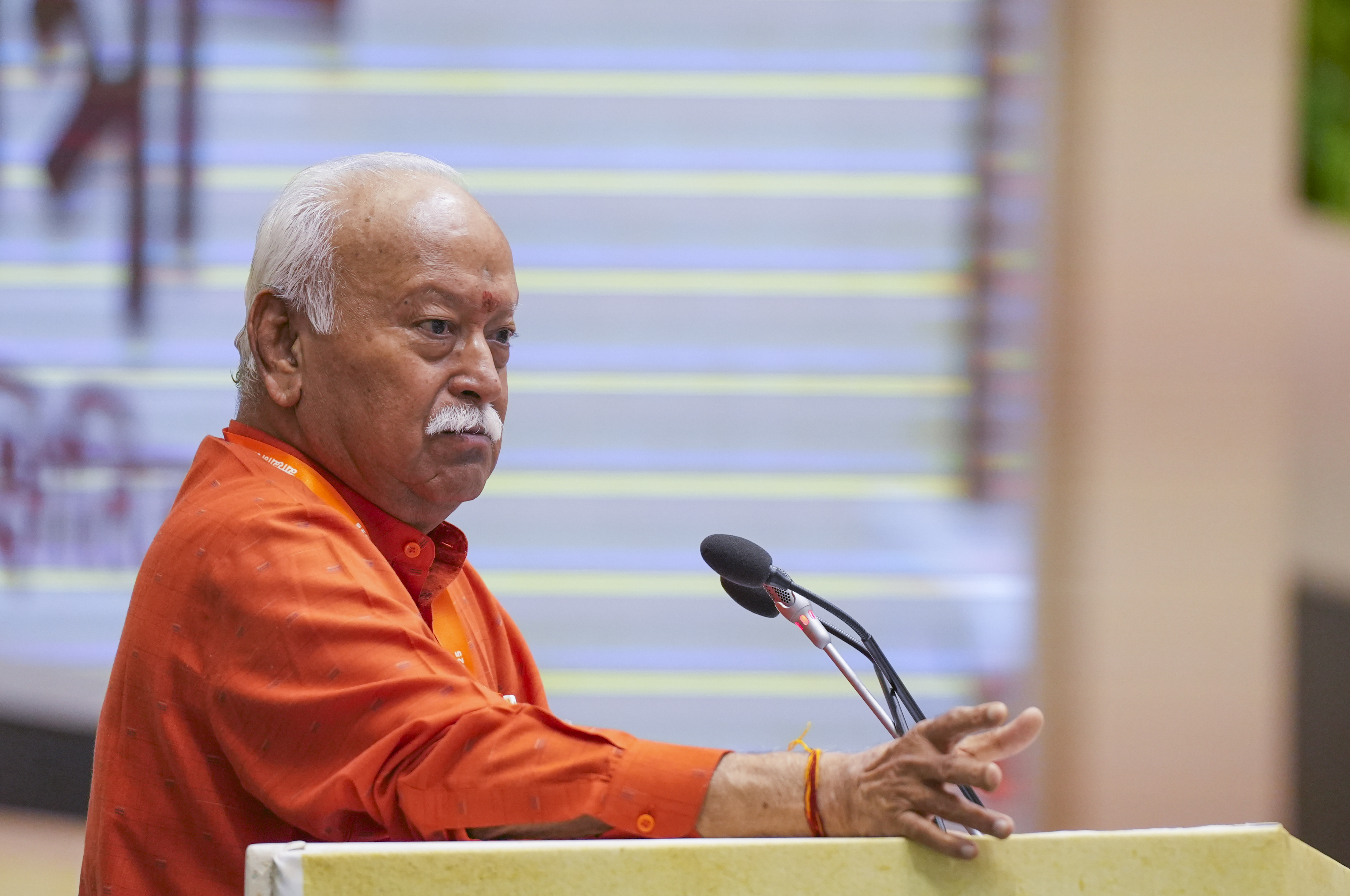
Bhagwat leads a century-old organization that has profoundly shaped India’s political and cultural landscape, including the rise of Prime Minister Narendra Modi. Despite his lack of official government status, his perspective offers a window into the long-term trajectory of a nation of 1.5 billion people. During our discussion, it became evident that his outlook on the U.S.-India relationship transcends the temporary nature of electoral cycles or diplomatic friction. He views the strategic alignment between the two nations through a historical lens, emphasizing shared challenges ranging from the rise of China to the rapid evolution of artificial intelligence.
Washington frequently views India strictly through the prism of its current administration, but this approach risks ignoring the broader societal currents that define the country. A mature partnership requires engagement that reaches beyond ministries into the cultural and civil-society movements that influence the nation beneath the surface of politics. The most resilient connections between great democracies are not merely treaties between heads of state, but deep ties between their societies. Recognizing figures like Bhagwat as critical voices is not an endorsement of every policy, but a necessary step for any American strategy aiming to understand the true direction of Indian power.


Comments (0)
No comments yet. Be the first!