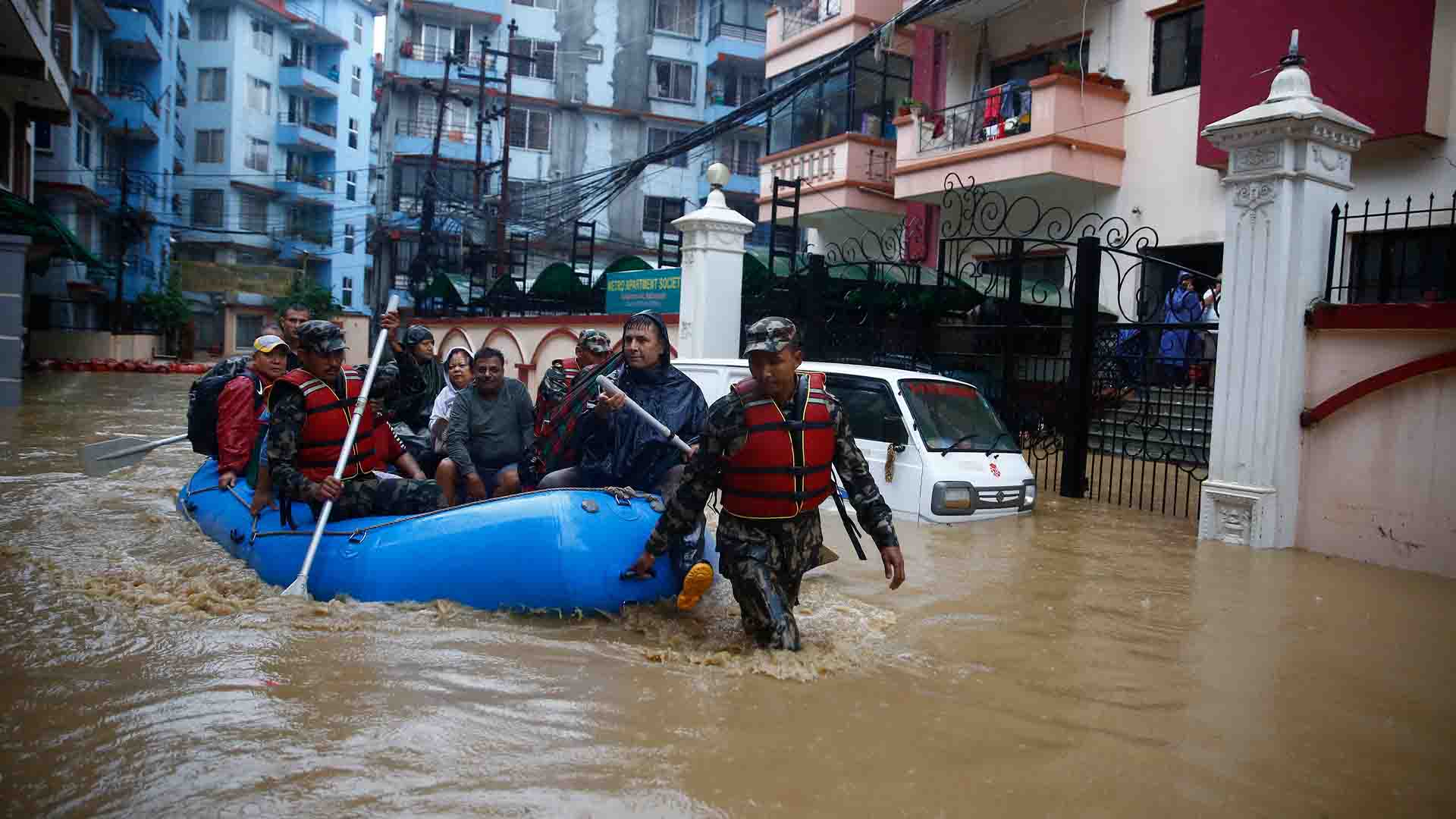
The rejection of aid from countries including India, China, the United States, and Japan marks a calculated assertion of national sovereignty. Foreign Ministry spokesperson Lok Bahadur Chhetri maintains that domestic agencies have the situation under control, even as destroyed infrastructure and the threat of secondary flooding from landslide-formed lakes complicate recovery efforts. The decision has drawn scrutiny due to the location of the worst-hit areas, particularly in Rasuwa, which borders China’s Tibet region.
While officials deny geopolitical motives, the proximity of these disaster sites to sensitive border zones has fueled speculation. Former diplomat Dinesh Bhattarai suggests that the government’s reluctance to allow foreign personnel into such areas is rooted in security considerations. Meanwhile, South Korea continues to press for entry, citing the nine nationals missing at a local hydropower plant. The standoff underscores a recurring dilemma for Kathmandu: balancing the urgent need for specialized humanitarian assistance against the desire to maintain absolute control over strategic territory during a national disaster.


Comments (0)
No comments yet. Be the first!