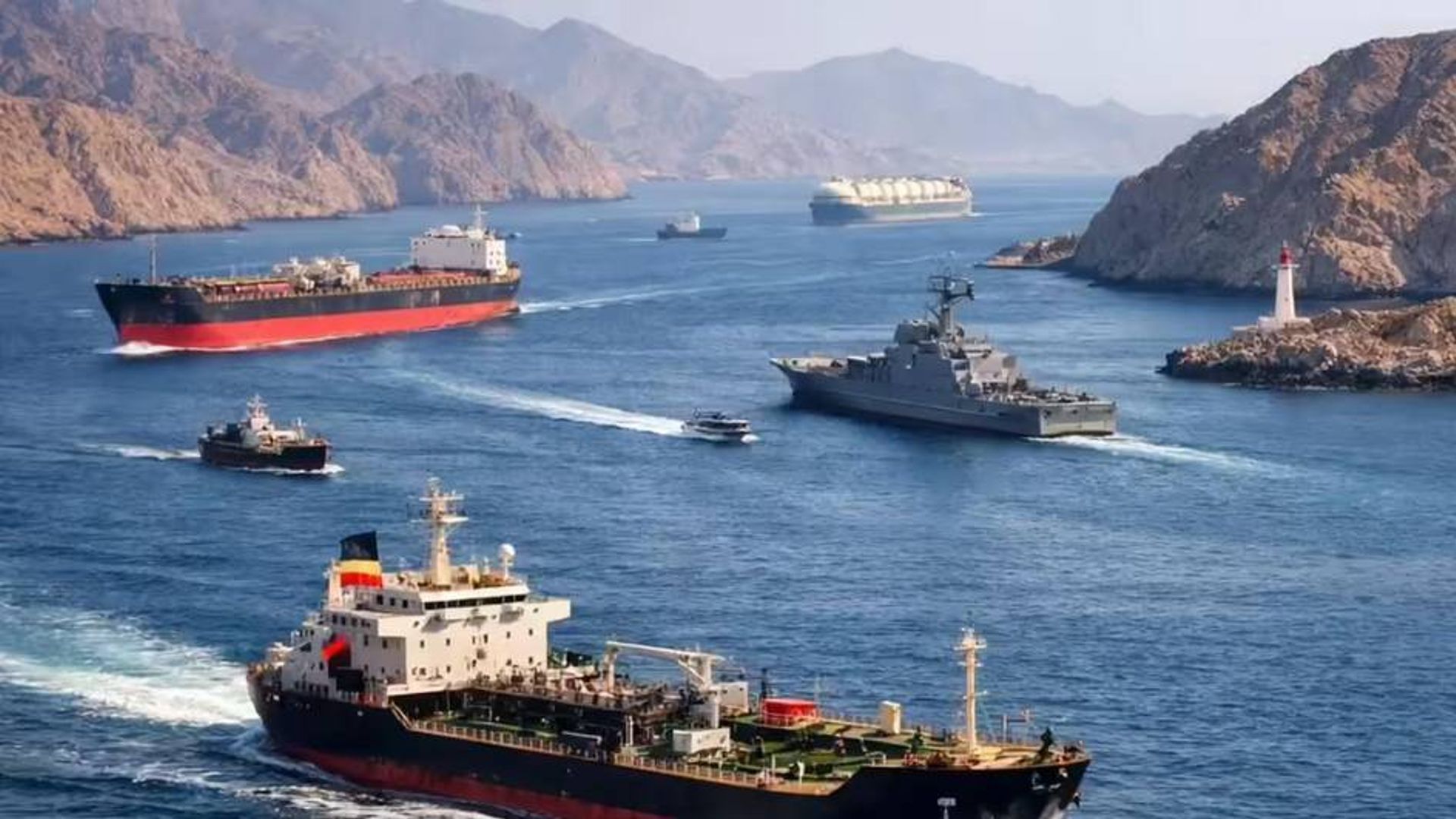
The current volume of traffic remains a shadow of pre-conflict levels, when upwards of 130 vessels navigated the waterway daily. Recent weeks saw activity crater to single digits as regional tensions and direct attacks forced operators to abandon the route. Data from Kpler suggests the actual number of vessels may be higher than recorded, as some ships navigate with transponders disabled to avoid detection in the volatile corridor.
Negotiations between Tehran and Muscat aim to establish a temporary arrangement for safer passage, though claims of a finalized agreement remain contested. An Iranian source confirmed that no formal pact exists, despite reports from the Revolutionary Guards suggesting progress on shared control and revenue distribution. This uncertainty is compounded by fresh security threats, evidenced by a tanker fire caused by an unidentified projectile early Thursday.
Broader maritime instability is evident as traffic through the Bab el Mandeb Strait also dipped, falling to 19 vessels on Wednesday from 24 the day prior. With roughly one-fifth of global oil and liquefied natural gas shipments historically dependent on these passages, the lack of a durable security framework ensures that global energy markets remain on edge. Until a credible navigation agreement emerges, commercial shipping will likely treat these routes with extreme caution.



Comments (0)
No comments yet. Be the first!