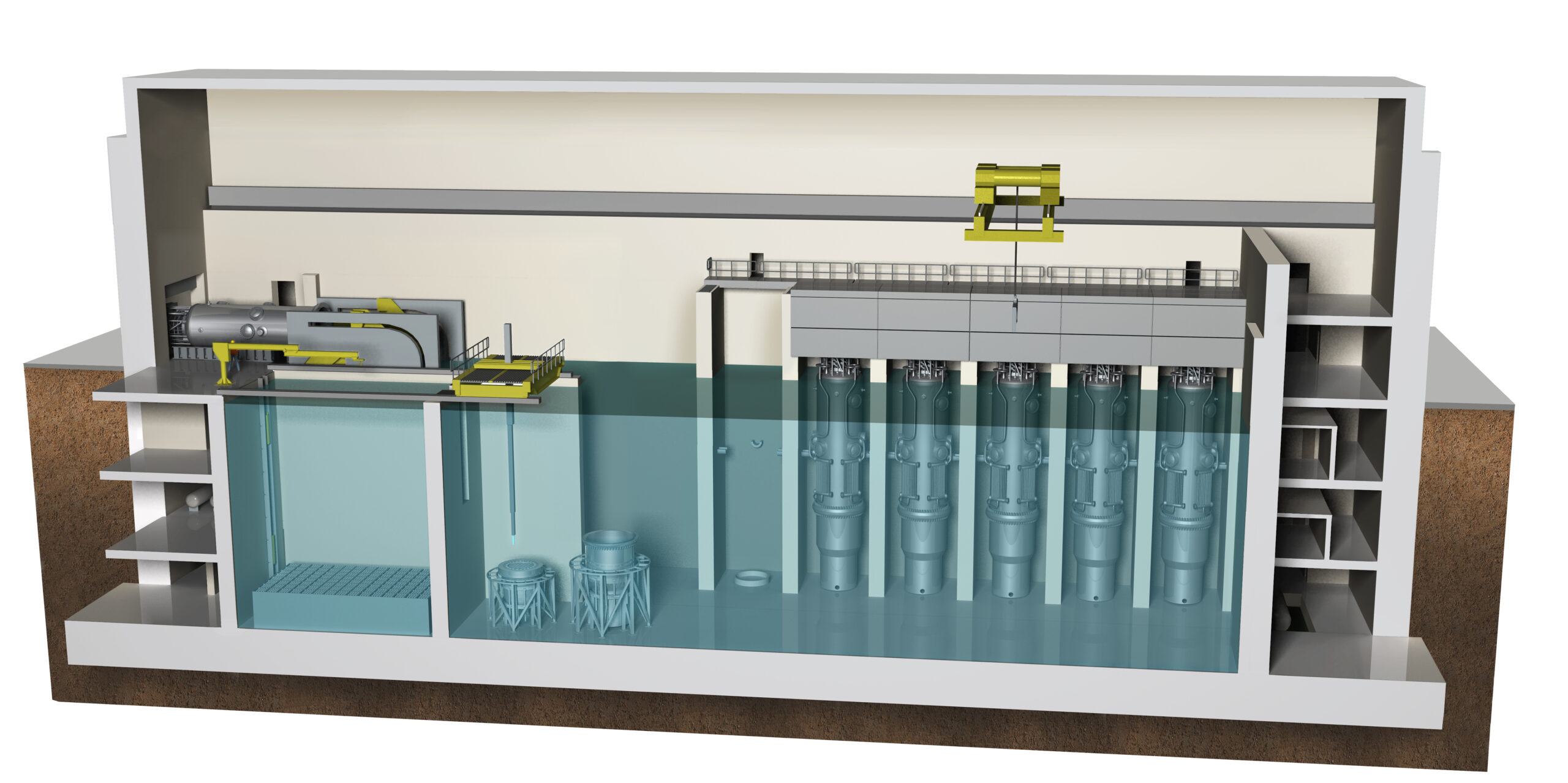
Senior official Jeff Waksman cited the vulnerability of the domestic electric grid and the logistical challenges of transporting liquid fossil fuels during potential conflicts as primary drivers for the shift. Currently, critical military infrastructure depends on diesel backups, a reliance the Army intends to break through the adoption of SMRs. Five vendors, including Westinghouse, General Atomics, Antares Nuclear, and Radiant Industries, have been tapped for the initiative.
While the technology remains in the prototype stage, the military is operating on a unique certification track separate from the Nuclear Regulatory Commission. By coordinating regulatory alignment with the Department of Energy, the Army hopes to create a streamlined pathway for these companies to eventually commercialize their reactors for civilian use. Although no SMR is currently in active service, the military draws on a long history of nuclear innovation, tracing back to the 1954 launch of the USS Nautilus.




Comments (0)
No comments yet. Be the first!