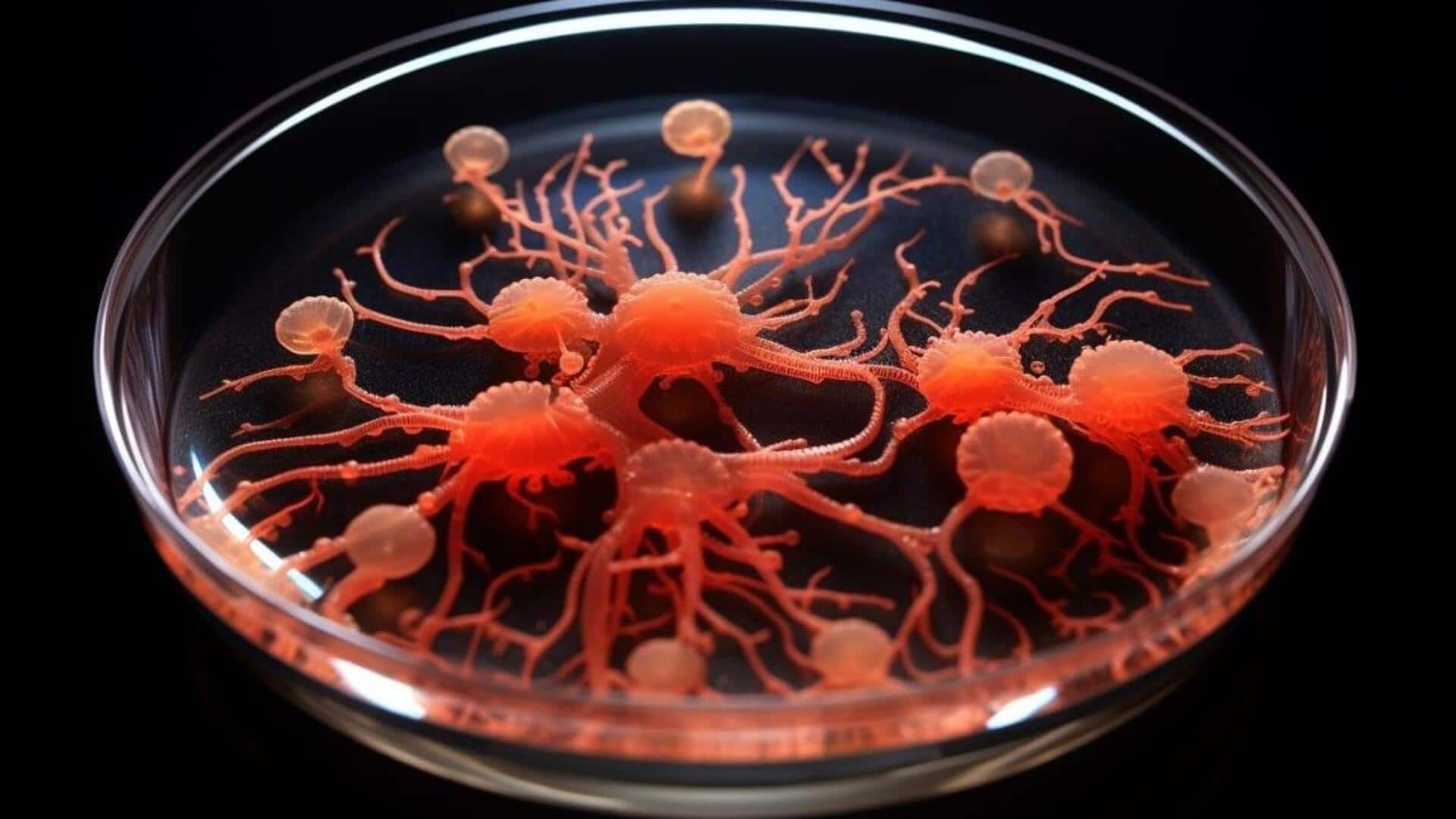
The research team kept over one million cells alive by refining the nutrient solutions essential for cellular signaling. Published in Nature, the study tracked 34 organoids, using DNA methylation profiling to monitor their progress. These molecular clocks revealed that the artificial tissue mirrored the developmental stages of a human brain, progressing from embryonic states into early childhood milestones.
Principal faculty member Paola Arlotta noted that the cells possess a molecular memory, allowing them to retain their developmental age even when placed in younger environments. Unlike previous experiments where organoids stalled after a few months, these cultures continued to mature, firing electrical signals and exhibiting epigenetic patterns consistent with natural development. While these specific samples have been destroyed, the achievement provides a new framework for studying neurodevelopmental disorders, aging, and conditions like Alzheimer’s or autism. Arlotta emphasized that the current focus is not on extending longevity further, but on accelerating the maturation process to study later stages of human brain development without the need for multi-year timelines.




Comments (0)
No comments yet. Be the first!