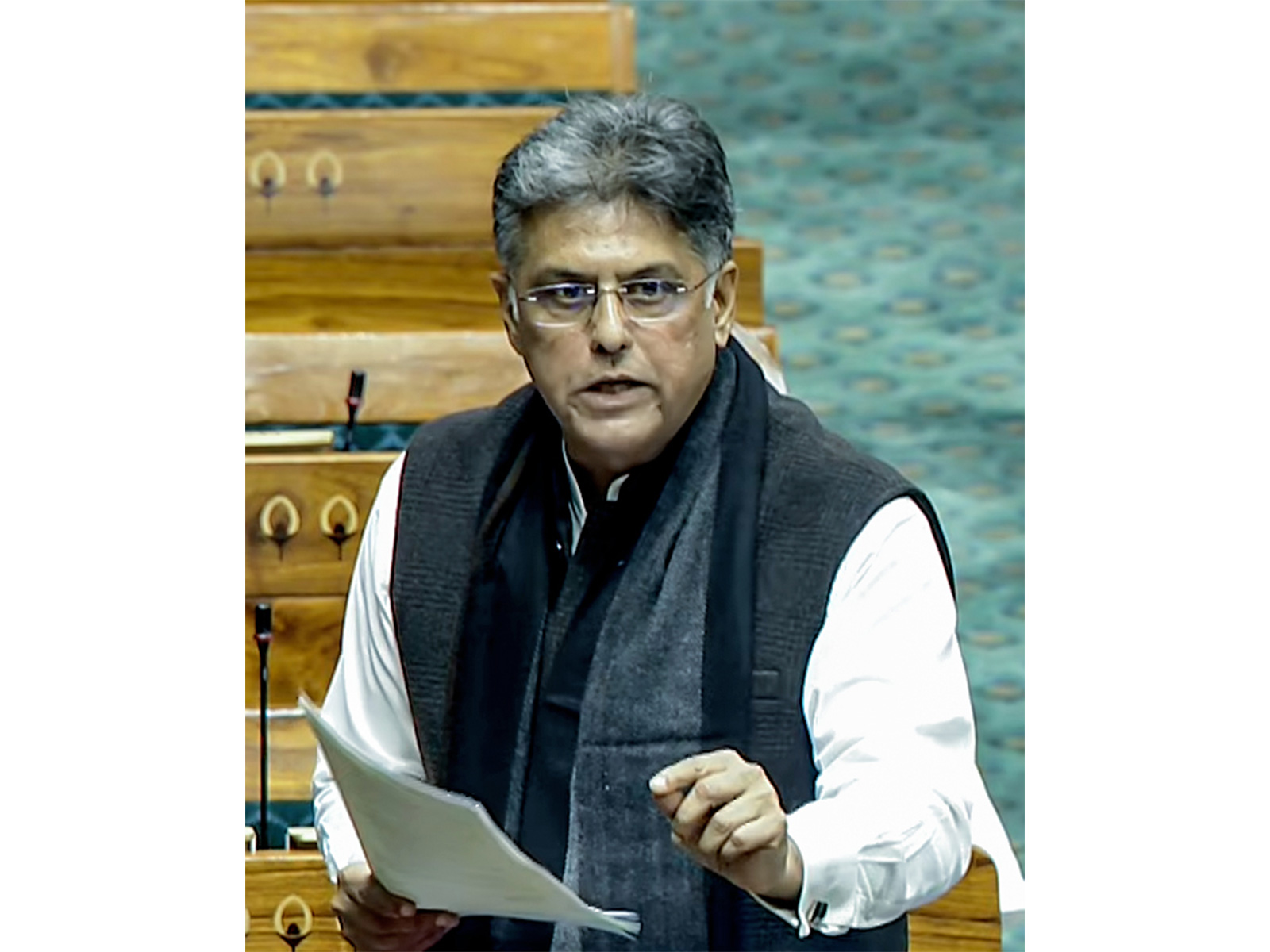
Tewari, a member of the committee, questioned the source of Chaudhary’s 2029 projections, noting that the proposed bill requires a two-thirds majority in both houses of Parliament followed by ratification from half of the states. His concerns were echoed by P. Chidambaram, who appeared before the committee on August 24 to label the proposal a "constitutional monstrosity." Chidambaram argued that the text of the bill itself precludes a 2029 rollout, as the "appointed date" for synchronization must follow a general election cycle.
Conversely, Chaudhary maintains that the framework preserves state autonomy and federalism. He cited consultations with former Chief Justices of India, claiming that 11 of 12 experts supported the move as being in the national interest. According to Chaudhary, the primary objective is administrative efficiency and the reallocation of public funds—potentially 7–10 lakh crore rupees—toward youth education and infrastructure. The Constitution (One Hundred and Twenty-Ninth Amendment) Bill, 2024, remains under scrutiny as the JPC evaluates whether the synchronization of state and national calendars can proceed without infringing on the legislative powers of individual states.




Comments (0)
No comments yet. Be the first!