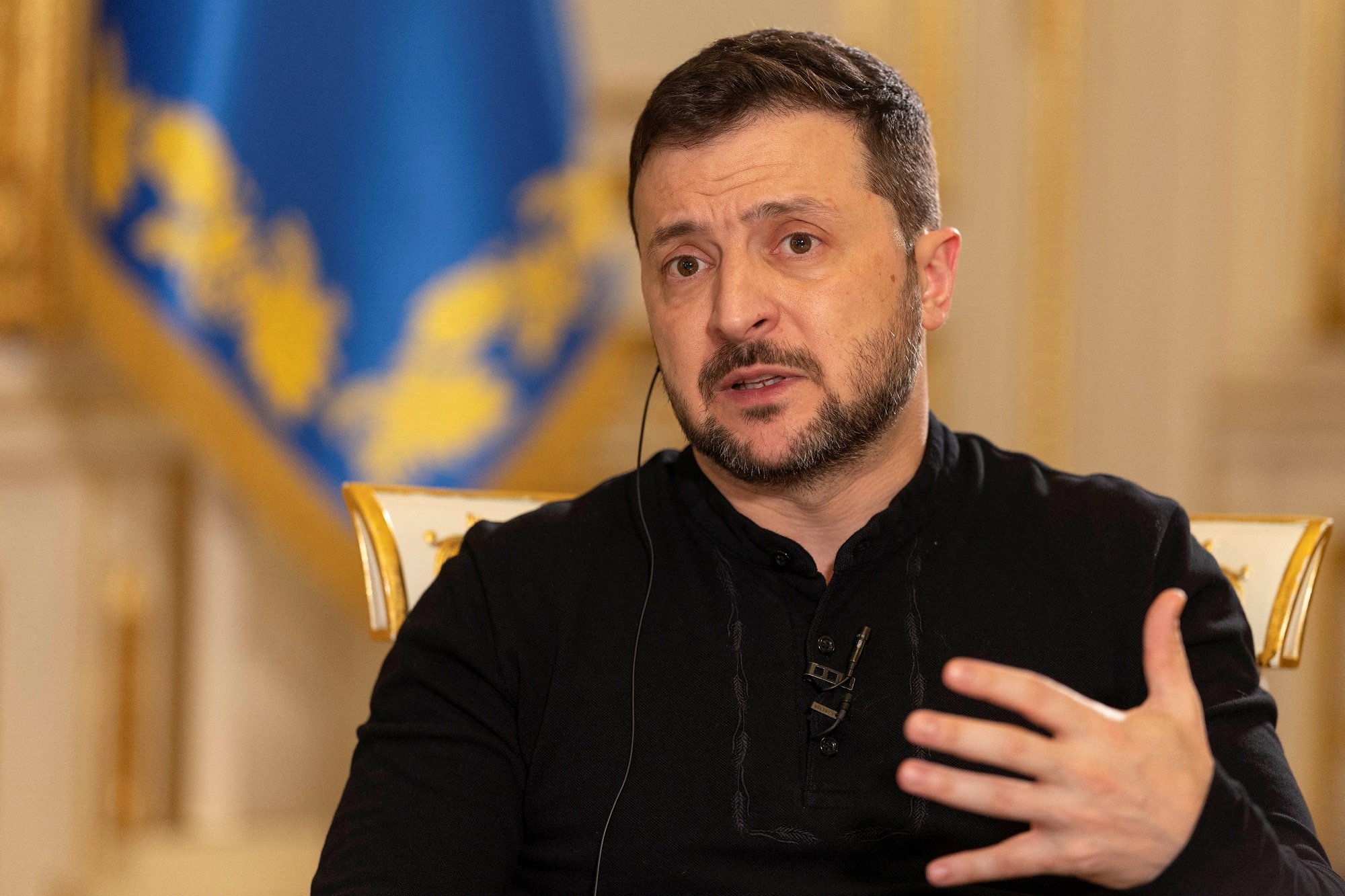
The strategic calculation for Kyiv remains fraught. While the government seeks a negotiated end to the four-year war, it refuses to validate the Russian seizure of eastern territories. Zelenskiy contends that any settlement leaving Russia with the capacity to renew its offensive is not peace, but a pause that risks future instability. This stance defines the current diplomatic stalemate, as Moscow insists on territorial control while Ukraine maintains that its sovereignty is non-negotiable.
Despite the presence of European leaders like British Prime Minister Andy Burnham and European Council President Antonio Costa in Kyiv, the path toward a resolution remains blocked. The front line, stretching over 1,200 kilometres, continues to witness intense fighting, with Russia pressuring Kostiantynivka while escalating long-range strikes against Ukrainian cities. In response, Kyiv has expanded its own campaign against Russian oil refineries and logistics hubs, attempting to impose economic costs on the aggressor.
Zelenskiy used the Independence Day platform to urge international partners to accelerate military support and tighten sanctions. His appeal extended beyond Europe, directly addressing the United States and China. He challenged Washington to move past internal indecision and called on Beijing to abandon its silence. For Kyiv, the objective is to shift the global focus from pressuring Ukraine to make concessions toward compelling Russia to alter its military trajectory. As diplomatic channels remain frozen, the conflict hinges on whether Western backing can sustain Ukrainian resilience against a Russia that continues to leverage its military and aerial capabilities.


Comments (0)
No comments yet. Be the first!