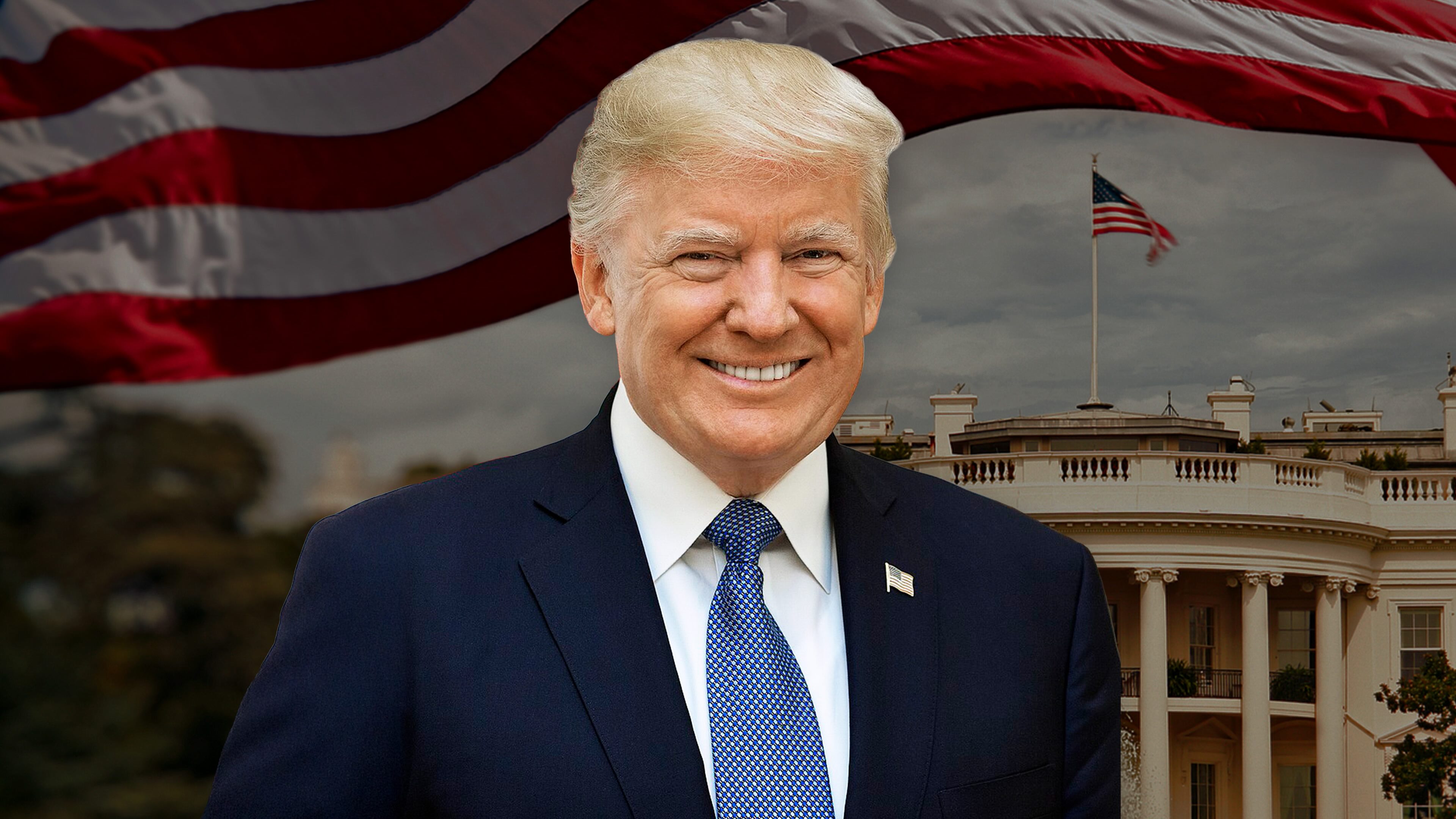
The U.S. foreign policy shift, characterized by the scaling back of military exercises in South Korea and reduced support for Ukraine and Taiwan, ignores the strategic necessity of regional deflections. By withdrawing its presence, Washington invites encroachment from major powers like Russia and China. Historical precedent, such as the mid-1970s reaction to potential U.S. withdrawal from Asia, proves that when the security umbrella falters, allies do not simply surrender; they pursue their own nuclear deterrents to fill the vacuum.
As the U.S. abdicates its role as the primary guarantor of stability, a fragmented nuclear future looms. Europe and Asia are already signaling a shift toward independent security architectures. With the U.S. increasingly viewed as an unreliable partner, nations from Germany to Japan are contemplating or advancing their own nuclear capabilities to counter threats from regional adversaries. This trend effectively ends the era of non-proliferation. While the U.S. may seek to insulate itself from global volatility, the reality of modern missile technology and orbital bombardment systems ensures that no nation remains immune to the risks of a multiplying nuclear-armed world. The ultimate consequence of Trump’s approach is not an "America First" victory, but a collective security crisis that leaves the United States more exposed than ever.



Comments (0)
No comments yet. Be the first!