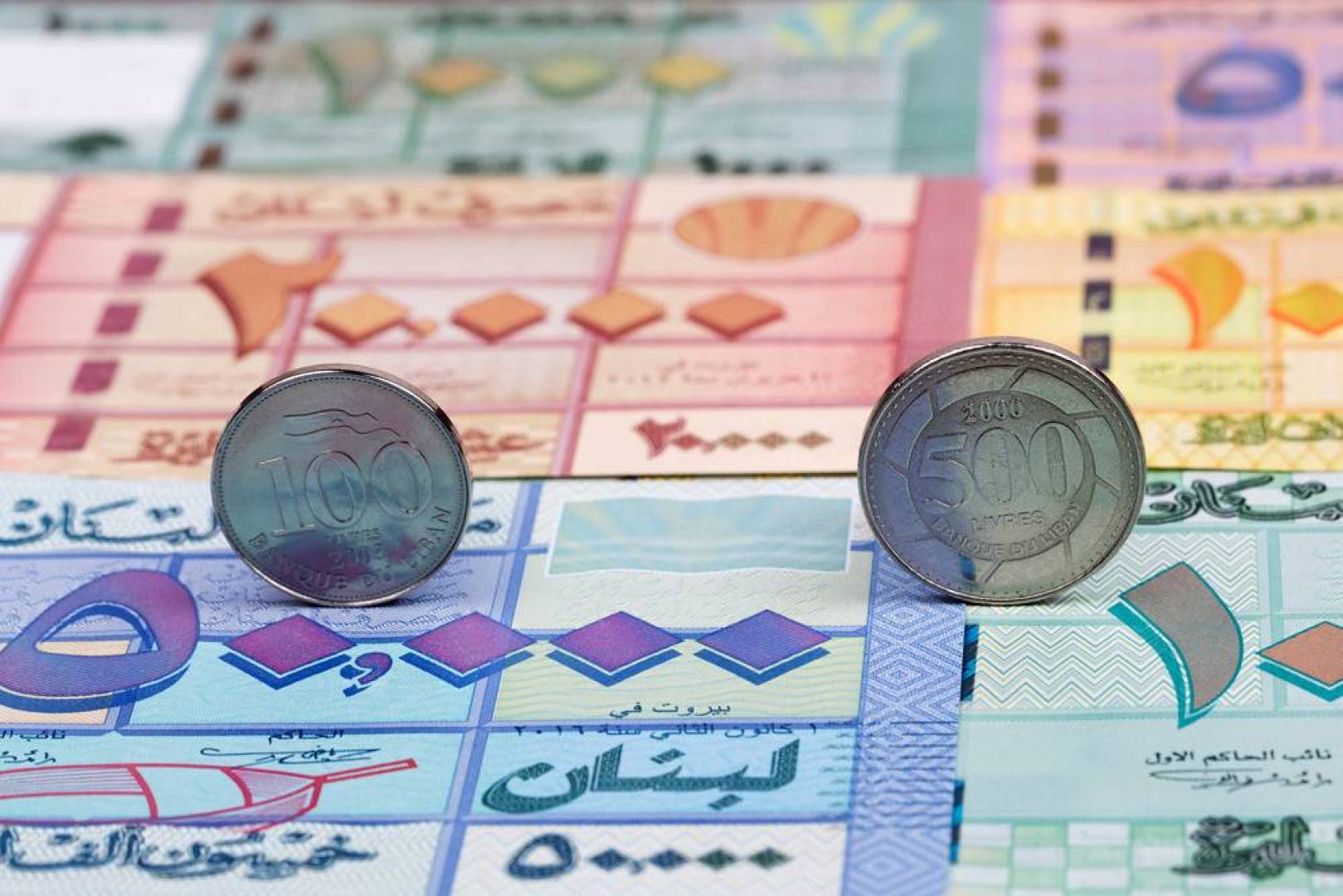
The World Bank’s latest economic monitor highlights a stark reversal of fortune. Last year, the country saw a 4.2 percent growth rate, bolstered by a 49.5 percent rise in cleared checks and a 24.5 percent jump in passenger arrivals. That momentum vanished when the conflict escalated, triggering an estimated US$3 billion loss in tourism revenue alone. Private consumption is expected to drop by 6 percent, further crippled by the displacement of over one million people and significant destruction of housing units, particularly in South Lebanon and Nabatieh.
Fiscal stability, which saw a 3.9 percent surplus in 2025, is now under immense pressure from the dual demands of urgent humanitarian aid and long-term reconstruction. While the debt-to-GDP ratio improved to 130.6 percent last year, the World Bank maintains that the country’s debt remains fundamentally unsustainable. Inflation, projected to climb from 14.6 percent to 17.5 percent, threatens to exacerbate the strain on household purchasing power as energy import costs rise.
Restoring the banking sector remains the most critical hurdle for any future recovery. Legislative efforts like the Bank Resolution Law exist on paper, but regaining investor trust requires a transparent creditor hierarchy and a viable plan for depositor repayment. As the government balances immediate survival with structural reform, the path forward depends on its ability to leverage international support while implementing rigorous oversight of reconstruction funds. Without these institutional changes, the economy remains trapped in a cycle of volatility, leaving businesses and households to navigate an environment of extreme uncertainty.


Comments (0)
No comments yet. Be the first!