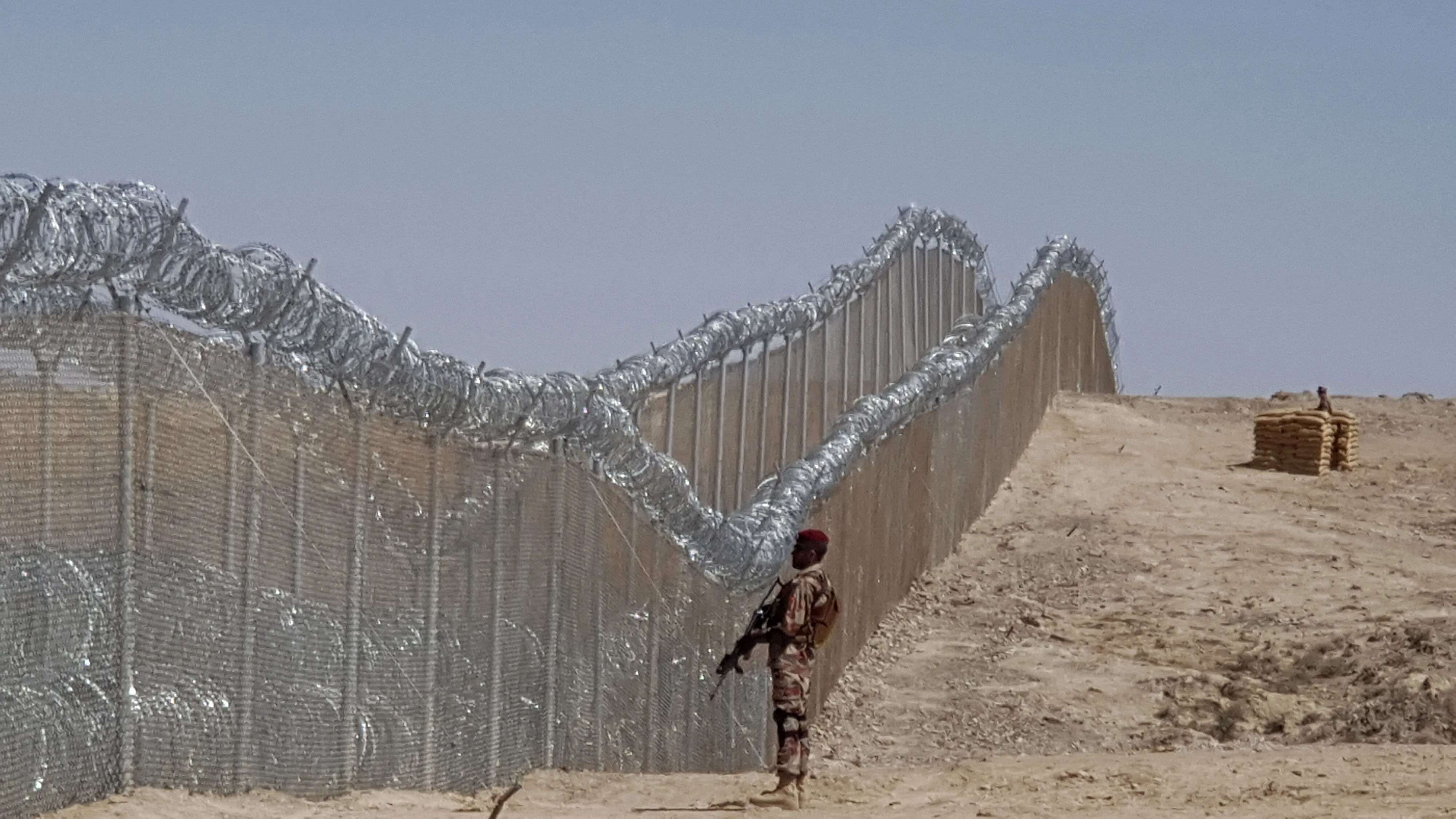
The core of the deadlock lies in conflicting definitions of a ceasefire. Pakistan views the cross-border activities of the Tehreek-e-Taliban Pakistan (TTP) as a direct violation of security, while the Taliban government in Kabul insists that its own sovereignty is breached by Pakistani military strikes. Because these positions are fundamentally at odds, the current diplomatic process has failed to move beyond temporary de-escalation. By allowing multiple mediators to operate through parallel, uncoordinated channels, the process has inadvertently enabled both Islamabad and Kabul to delay difficult concessions, waiting for more favorable terms from alternative diplomatic tracks.
Adding to the tension is the evolving relationship between Afghanistan and India. Pakistan views the strengthening ties between Kabul and New Delhi, particularly through the use of Iran's Chabahar Port, as a strategic encirclement. This regional rivalry complicates the mediation process, as any security agreement must now address Pakistan's broader anxieties without forcing Kabul to sever its foreign policy autonomy. To move forward, the crowded field of mediators must consolidate. Rather than acting as separate voices, Beijing could serve as the lead coordinator, leveraging its economic influence to orchestrate a unified framework where Qatar, Türkiye, and Saudi Arabia provide specific technical and financial support. A durable solution requires more than just a pause in hostilities; it demands a transparent verification mechanism that holds both sides accountable, forcing a transition from reactive conflict management to a stable, rules-based security arrangement.



Comments (0)
No comments yet. Be the first!