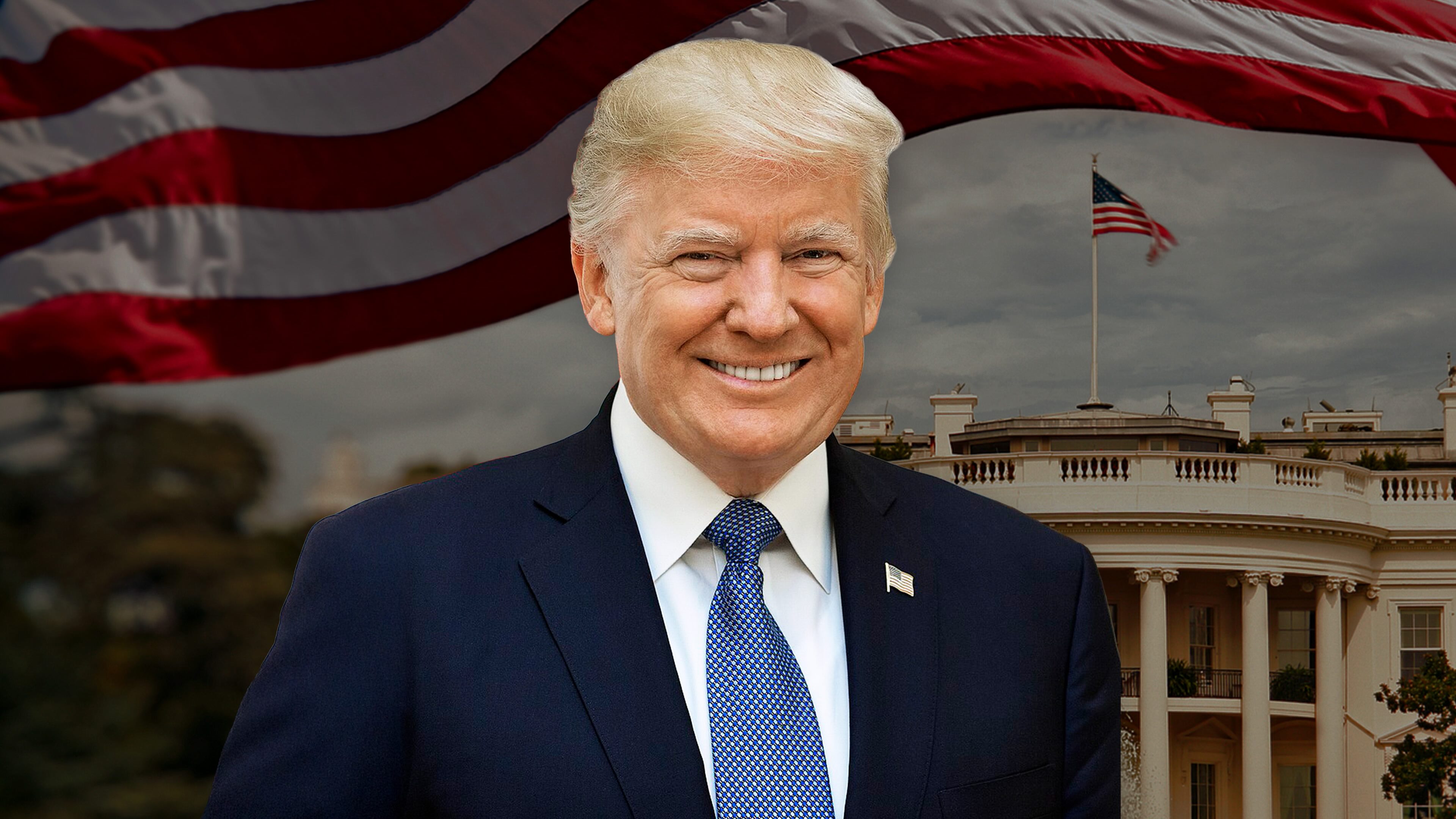
Trump dismissed the notion that his reliance on economic measures limits U.S. military options, claiming Tehran suffers from 350% inflation and faces a crippled military infrastructure. He characterized his latest campaign as an "Economic D-Day," aimed at dismantling Iran's oil smuggling, financial transfers, and ship registries. The President asserted that the U.S. maintains total control over the region, warning that the Iranian leadership must be prevented from ever acquiring nuclear weapons, a stance he described as non-negotiable.
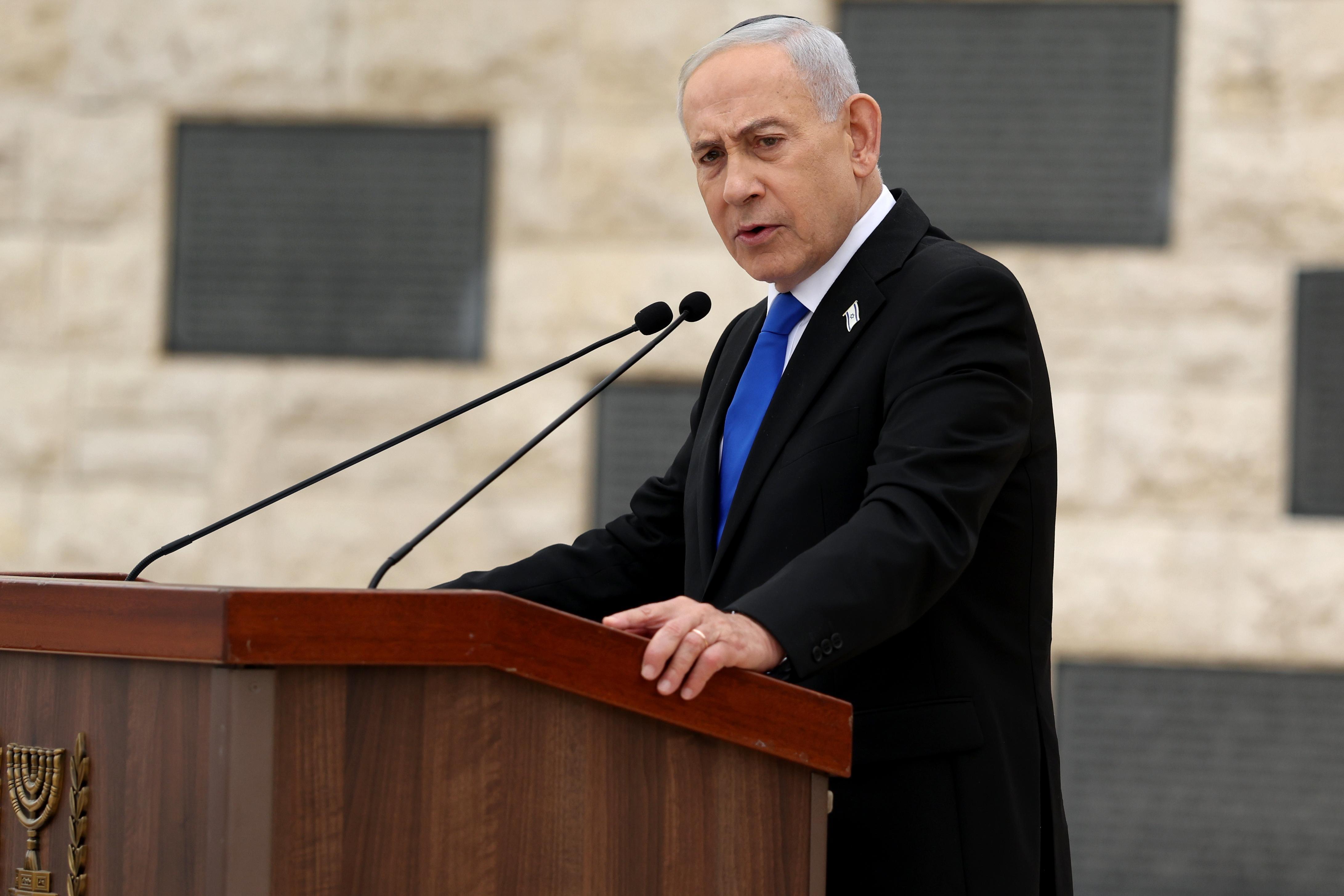
Tehran pushed back against the rhetoric, with Foreign Minister Seyed Abbas Araghchi dismissing the campaign as a failed strategy. Araghchi pointed to a history of similar U.S. policies that he argued have consistently collapsed, labeling the current approach as merely a different version of past pressures. Meanwhile, Parliament Speaker Mohammad Bagher Ghalibaf signaled that the Strait of Hormuz will remain closed to U.S. interests until Washington releases frozen assets and lifts sanctions, deepening the deadlock between the two nations.


Comments (0)
No comments yet. Be the first!