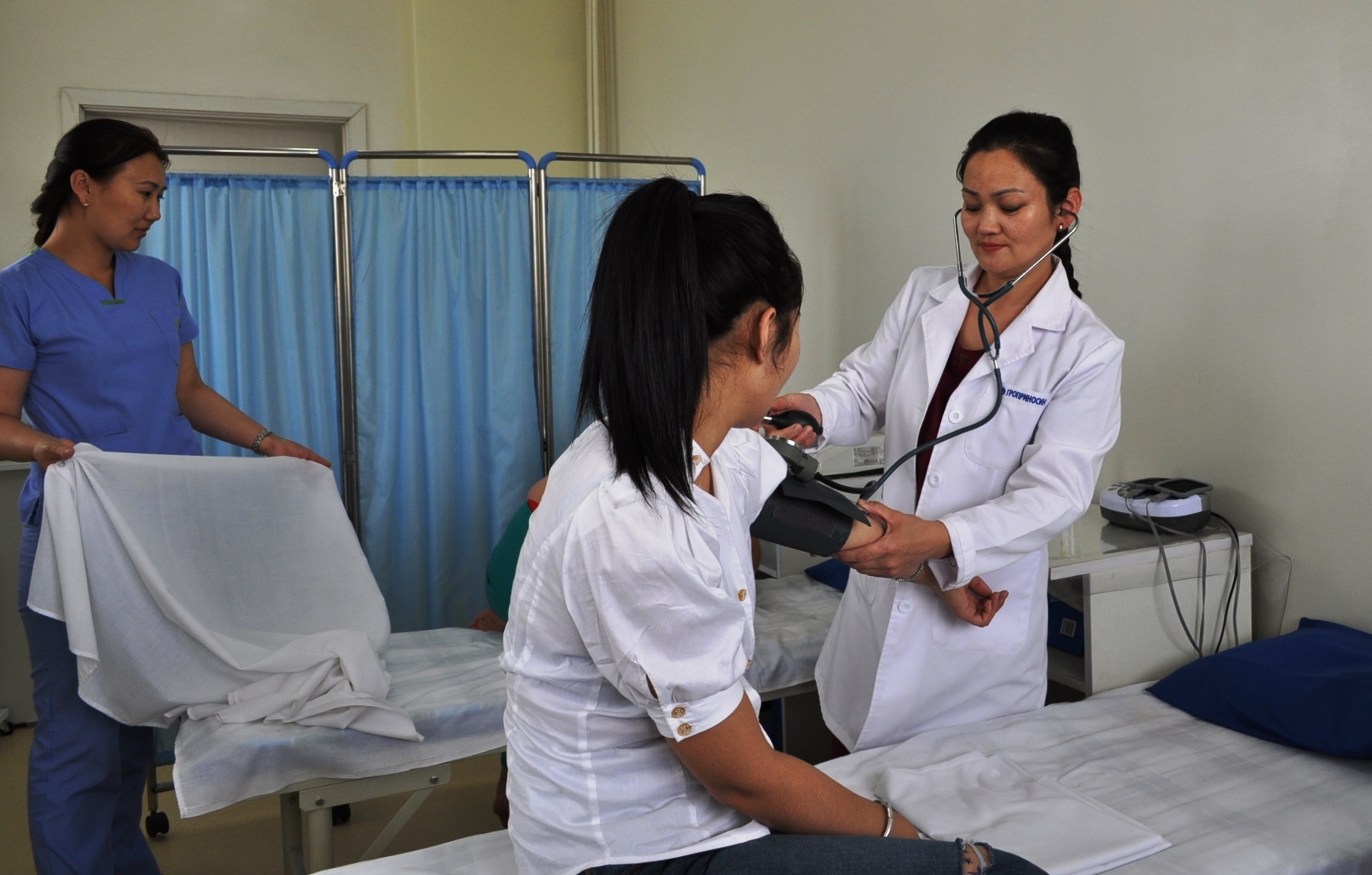
The investment targets a profound geographical imbalance in a nation where 66% of hospital bed capacity remains concentrated in the capital. For families living in remote provinces, the current system often mandates grueling, hundreds-of-kilometer journeys for routine specialist care. These delays frequently exacerbate health risks, particularly as cardiovascular disease and cancer drive 73% of deaths nationwide.
Modernization efforts will span 19 provincial hospitals, which are slated to receive upgraded trauma units, intensive care departments, and new operating theaters. The project also includes the construction of a 300-bed facility in Uvurkhangai Province and the establishment of 11 health centers situated along major transit routes and border crossings. To bridge the remaining distance, the bank is funding digital referral systems and telemedicine networks that allow provincial doctors to coordinate directly with tertiary specialists in the capital.
Beyond physical infrastructure, the program emphasizes disaster resilience. Given the frequency of extreme weather events like dzuds and floods, the new medical protocols aim to ensure that rural facilities remain operational during environmental crises. ADB Country Director John Juhyun Jeong noted that these improvements are designed to alleviate the significant financial and physical strain placed on rural households currently forced to travel for basic medical necessities.




Comments (0)
No comments yet. Be the first!