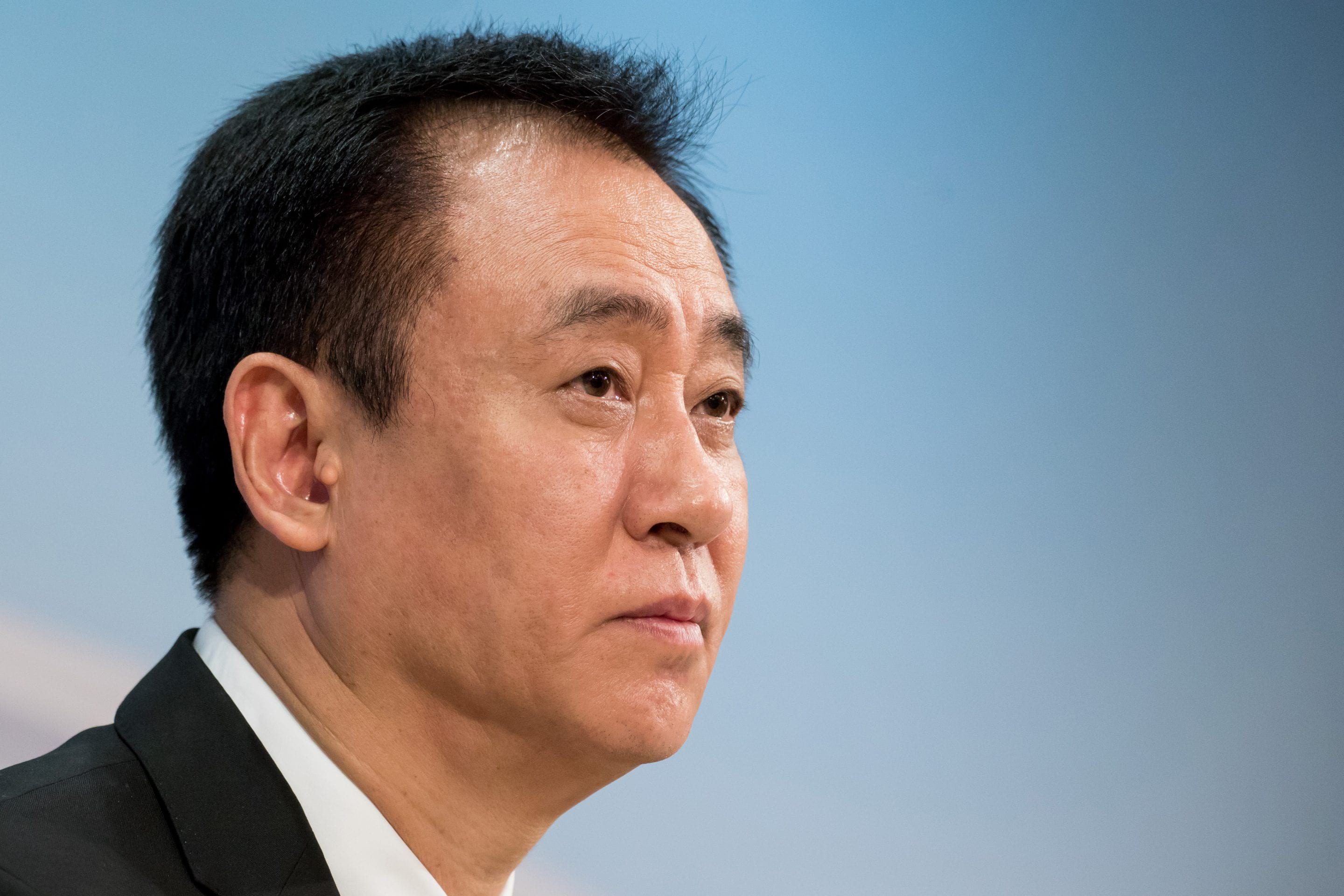
Hui pleaded guilty this April to eight charges, including bribery and large-scale fundraising fraud. His fall marks the definitive end of an era for the developer, which previously stood as the primary engine of China’s real estate market before defaulting on its massive obligations. The resulting economic shockwaves forced the government to intervene as the company's insolvency rippled through global financial networks.
The Shenzhen court’s decision extends far beyond its founder. Authorities have imposed heavy fines on Evergrande and its various subsidiaries, while 56 other associates received prison terms for their roles in the illicit operations. This judicial crackdown serves as a stark response to the social unrest that erupted when thousands of investors were left holding worthless contracts, highlighting the systemic fallout of a developer that once symbolized China's unchecked growth.




Comments (0)
No comments yet. Be the first!