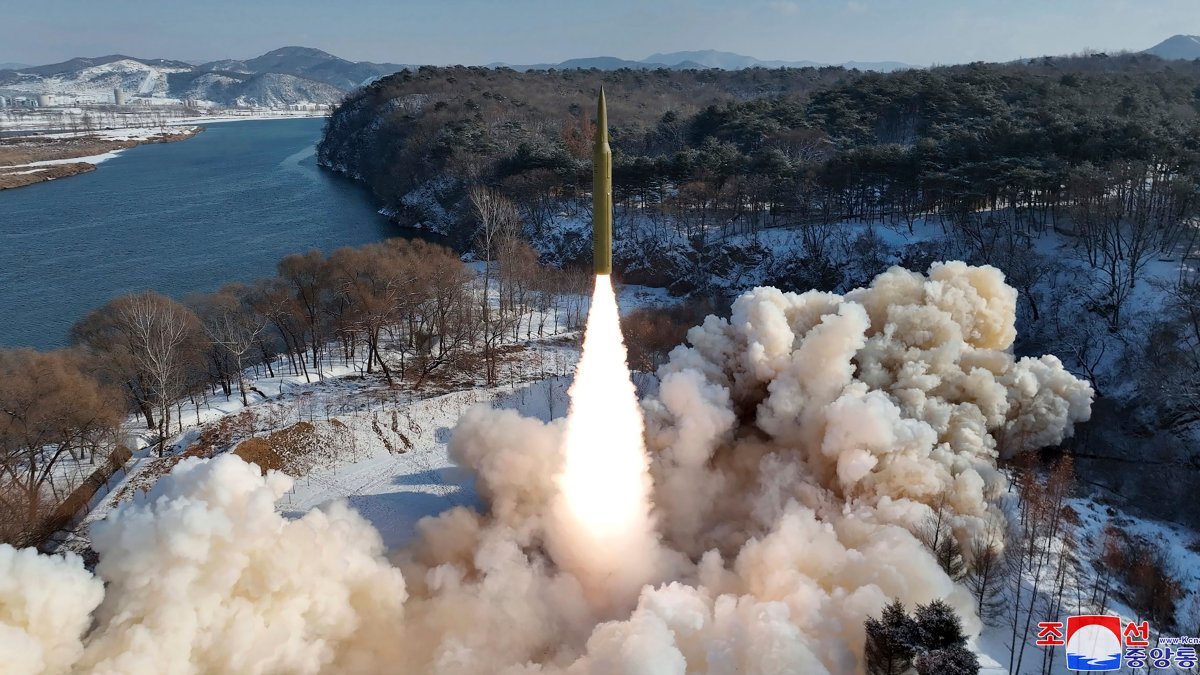
The stark divergence in numbers underscores the persistent difficulty of verifying Pyongyang’s clandestine nuclear program. Minister Ahn clarified that the 80 to 120 range reflects assessments from private research organizations rather than an official military audit, noting that Seoul cannot independently confirm the precise size of the stockpile. Trump provided no context for his lower figure, leaving observers to reconcile two vastly different interpretations of a threat that directly impacts regional security in Japan and South Korea.
This intelligence gap complicates future diplomatic efforts as the U.S. seeks to revive stalled talks with Kim Jong Un. Establishing a common baseline is a prerequisite for any meaningful disarmament negotiation, yet the current uncertainty makes verifying potential reductions nearly impossible. Despite the escalating estimates, Seoul remains firmly committed to its non-nuclear policy and the U.S. extended deterrence umbrella, rejecting the notion of developing its own weapons. As Pyongyang continues to expand its capabilities, the challenge for Washington and Seoul is not merely counting the weapons, but aligning their strategic vision before the next round of high-stakes diplomacy begins.

Comments (0)
No comments yet. Be the first!