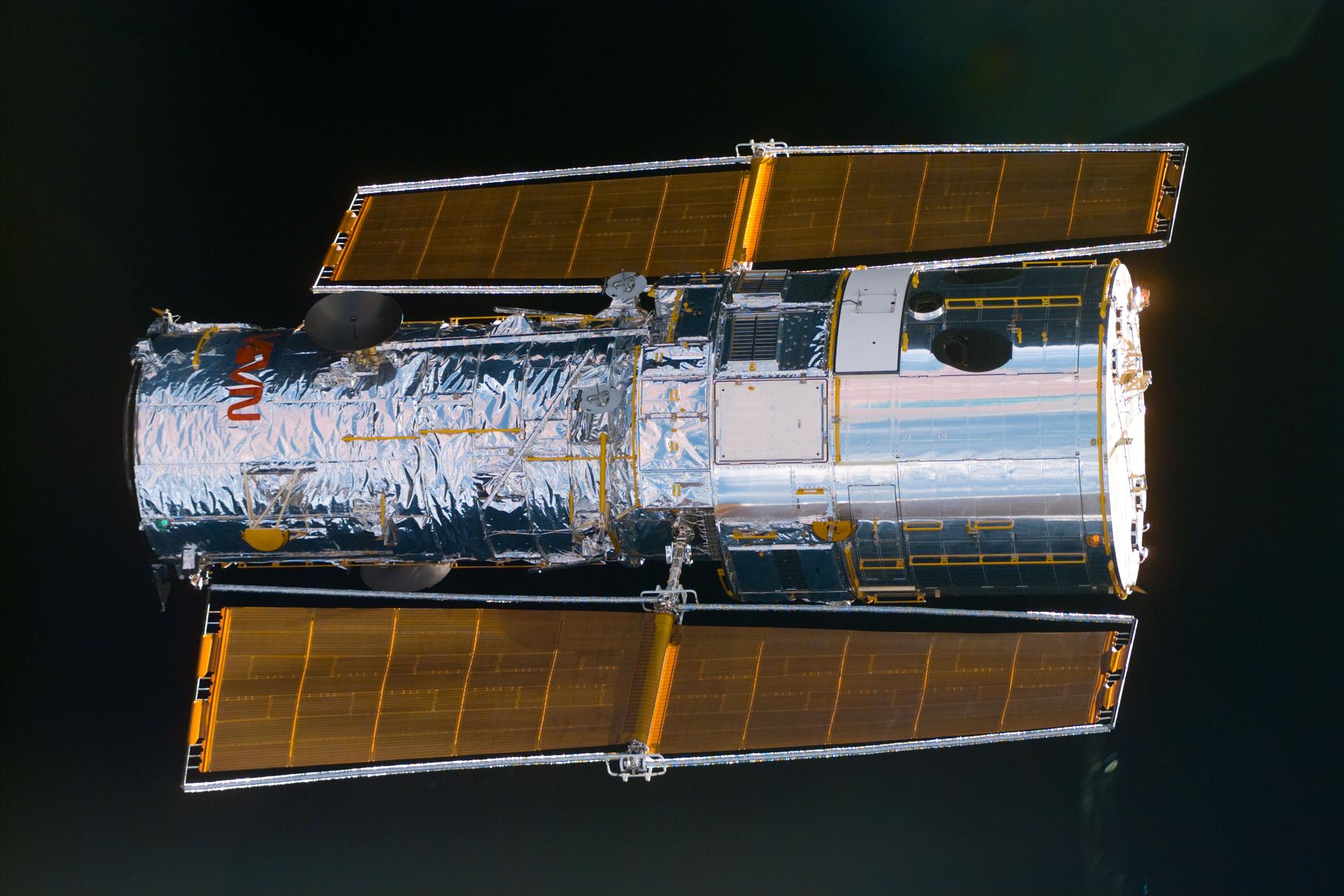
The Milky Way was once a far smaller entity, evolving through the steady accumulation of gas and the absorption of neighboring systems. By analyzing 39 ancient globular clusters within 20,000 light-years of the galactic core, researchers have successfully reconstructed this early history. The study utilized high-resolution Hubble imagery and precision data from the European Space Agency's Gaia mission to measure the age and chemical composition—specifically the metallicity—of these stellar groupings.
Lead author Davide Massari of the Astrophysics and Space Science Observatory of Bologna noted that this research settles debates regarding whether the galaxy’s earliest stars originated solely within its own borders. The data confirms that the LKH dwarf galaxy, which held a stellar mass equivalent to 500 million Suns, was devoured just two billion years after the Big Bang. This collision occurred significantly earlier than the well-documented Gaia-Sausage-Enceladus merger, which took place 10 billion years ago. Co-author Chiara Zerbinati explained that these distinct globular clusters act as a fossil record, allowing astronomers to distinguish between stars born in the nascent Milky Way and those imported from the LKH system during its consumption.




Comments (0)
No comments yet. Be the first!