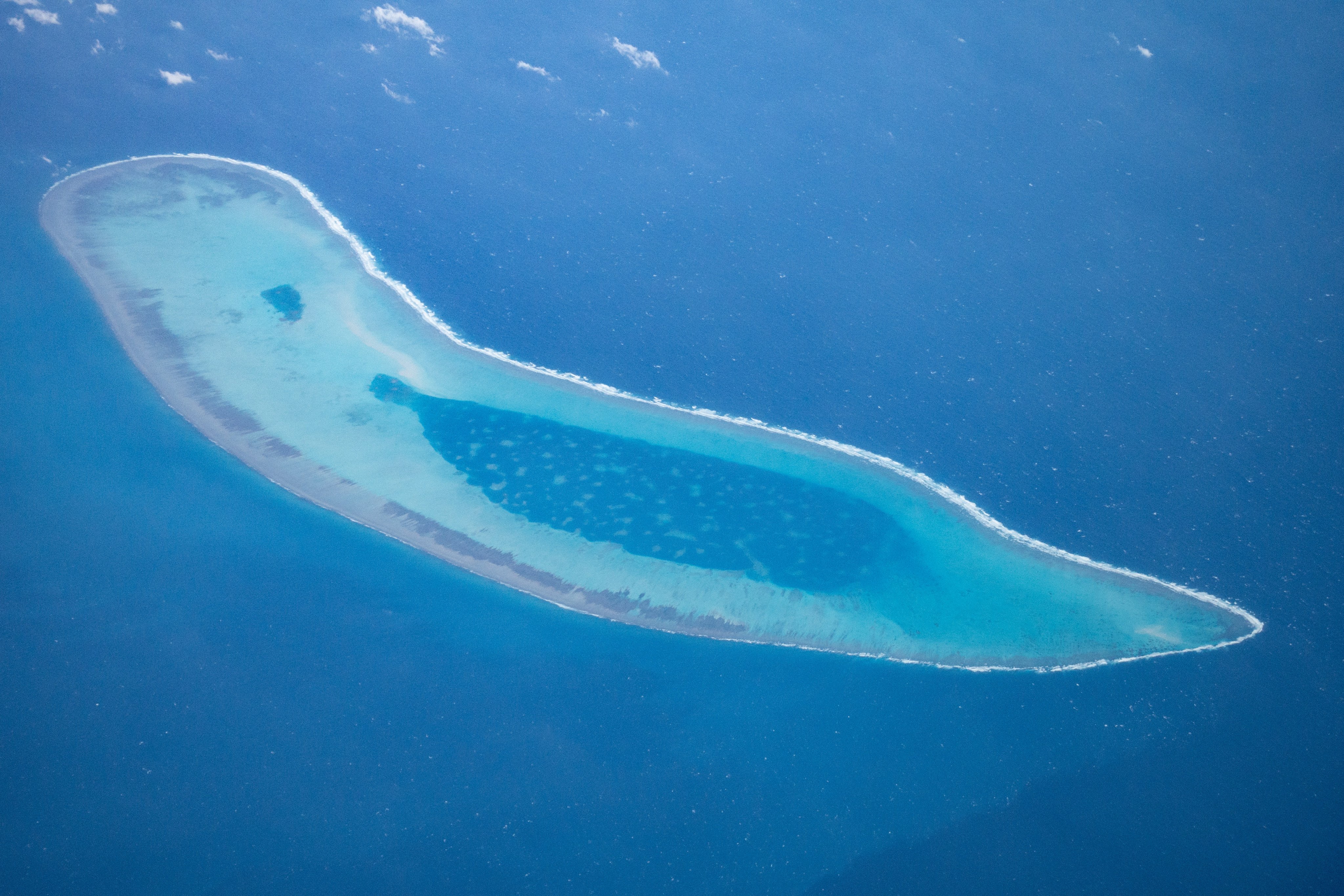
Satellite imagery reveals a substantial footprint at the site, including a 680-meter wharf and emerging infrastructure that could support helicopter operations or a full-scale airstrip. By anchoring this facility in the northern portion of the South China Sea, Beijing gains a logistical bridge between the mainland and its more distant outposts in the Spratlys. Security experts suggest this placement is no coincidence; it provides an ideal vantage point for surveillance and could serve as a staging ground for naval or air assets during a regional crisis.
This development fits into a broader pattern where infrastructure initially labeled for civilian use gradually acquires military capabilities, such as radar systems and missile emplacements. By integrating Antelope Reef into an existing network that includes Woody Island, China is effectively hardening its control over contested waters. For the United States and its regional partners, the site adds a layer of complexity to freedom-of-navigation operations, forcing military planners to account for an increasingly dense web of Chinese surveillance and support capabilities that could complicate any potential conflict over Taiwan.




Comments (0)
No comments yet. Be the first!