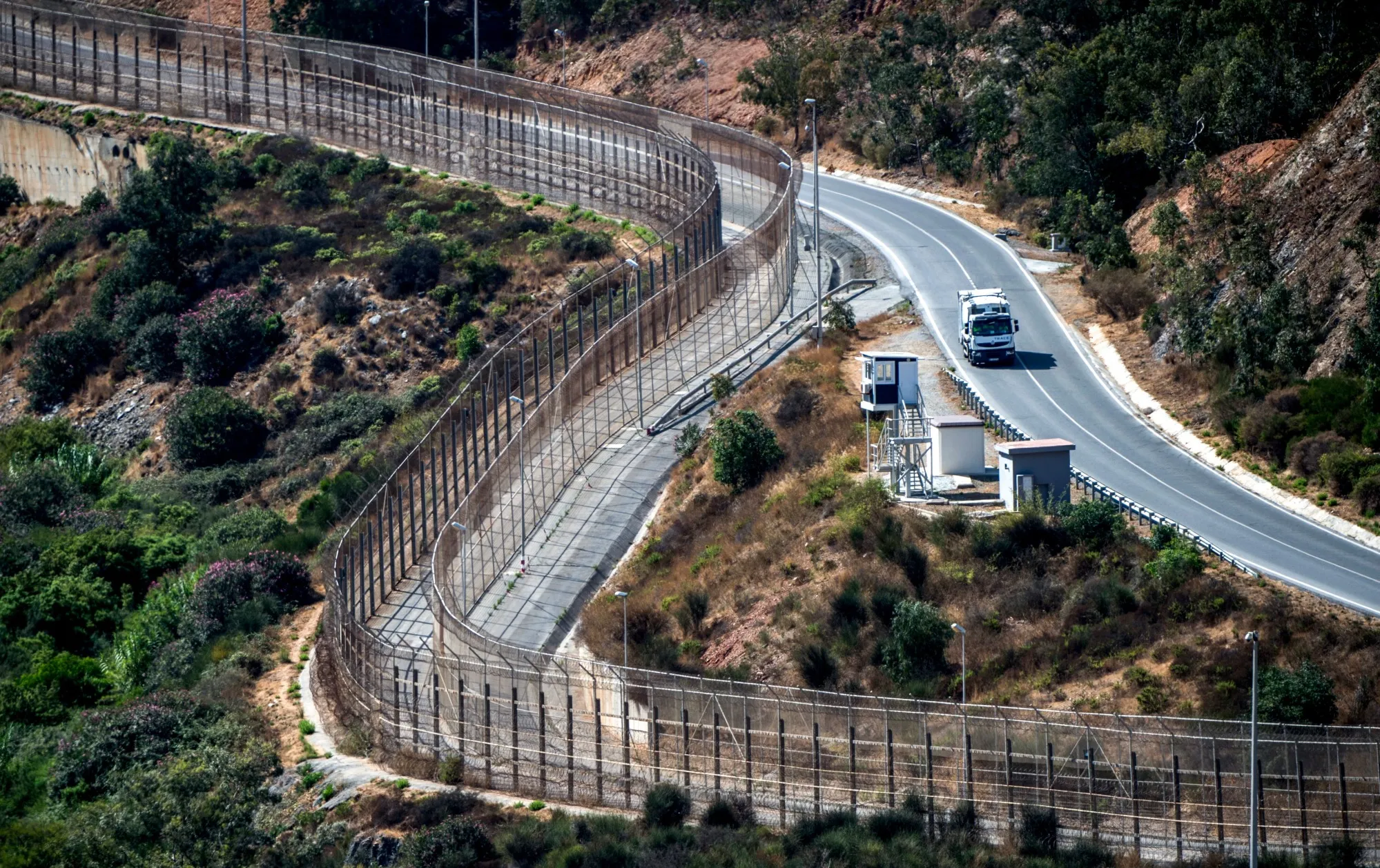
While legal and historical debates over the status of Ceuta and Melilla remain entrenched, they increasingly fail to capture the contemporary strategic environment. The Western Mediterranean has transformed into a complex arena where migration, maritime security, counterterrorism, and energy connectivity converge. In this landscape, the two cities serve as functional interfaces between Europe and Africa, where the exercise of sovereignty is constantly conditioned by geographic proximity to Morocco.
Spain’s administrative control remains firm, but the practical management of these territories is dictated by a reality of deep functional interdependence. As traditional cross-border economic models have declined, the pressure on border management and security has intensified, forcing a reliance on cooperation that transcends political rhetoric. Madrid and Rabat now face a shared challenge: whether to allow inherited territorial disputes to paralyze regional stability or to develop mechanisms of functional governance that address the realities of a changing geopolitical map. The long-term strength of the bilateral relationship will rely on separating these historical grievances from the essential, ongoing strategic coordination required to navigate a modern, interconnected Mediterranean.



Comments (0)
No comments yet. Be the first!