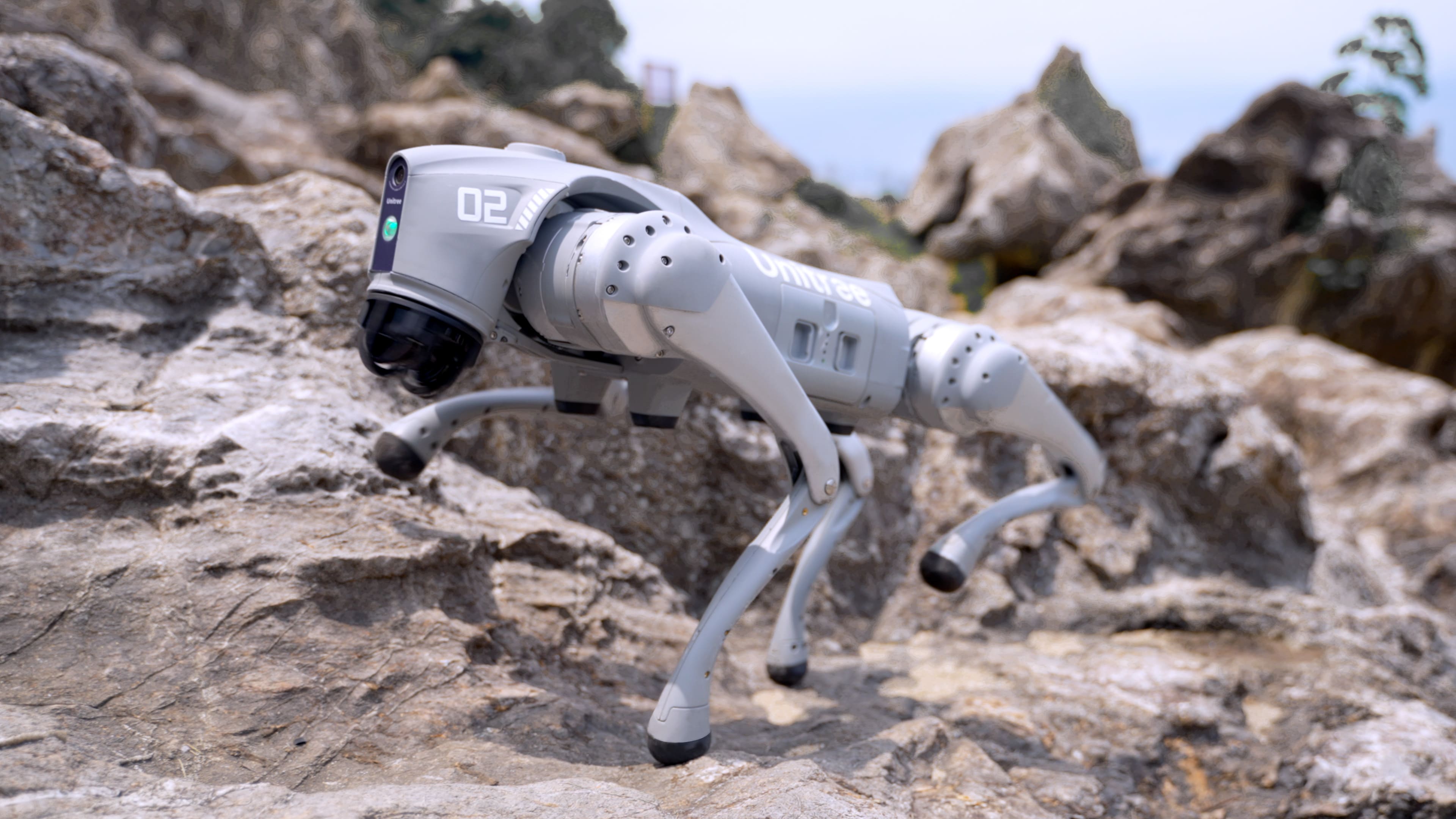
The core of the issue lies in the transition from lab to assembly line. Between 2010 and 2020, programs like the U.S. Army’s Robotics Collaborative Technology Alliance funded pivotal research at MIT and the University of Pennsylvania. Researchers openly published their findings—including innovations in leg motor placement and movement—to accelerate global progress. Wang Xingxing, the founder of Unitree, explicitly cited these American studies in his own work, eventually mirroring the dimensions of MIT’s Mini Cheetah for his company's commercial line.
However, the gap between the two nations is not one of invention, but of industrialization. American firms like Ghost Robotics maintain high-quality production, but their units often retail for over $165,000. In contrast, Unitree leverages China’s dense, self-sufficient manufacturing networks to produce comparable models for a fraction of that cost, with some consumer versions priced near $1,600. This supply chain advantage allows Beijing to rapidly iterate and scale, turning experimental machines into strategic assets that now appear alongside People’s Liberation Army troops.
Washington’s current response—restricting imports and blacklisting companies—addresses the security risk but fails to resolve the underlying industrial deficit. A trade barrier can block a competitor’s product, but it cannot manufacture a domestic alternative. The Unitree case suggests that the primary challenge for U.S. policy is no longer just funding frontier research, but rebuilding the manufacturing capacity required to ensure that American-born inventions remain economically and strategically viable at home.




Comments (0)
No comments yet. Be the first!