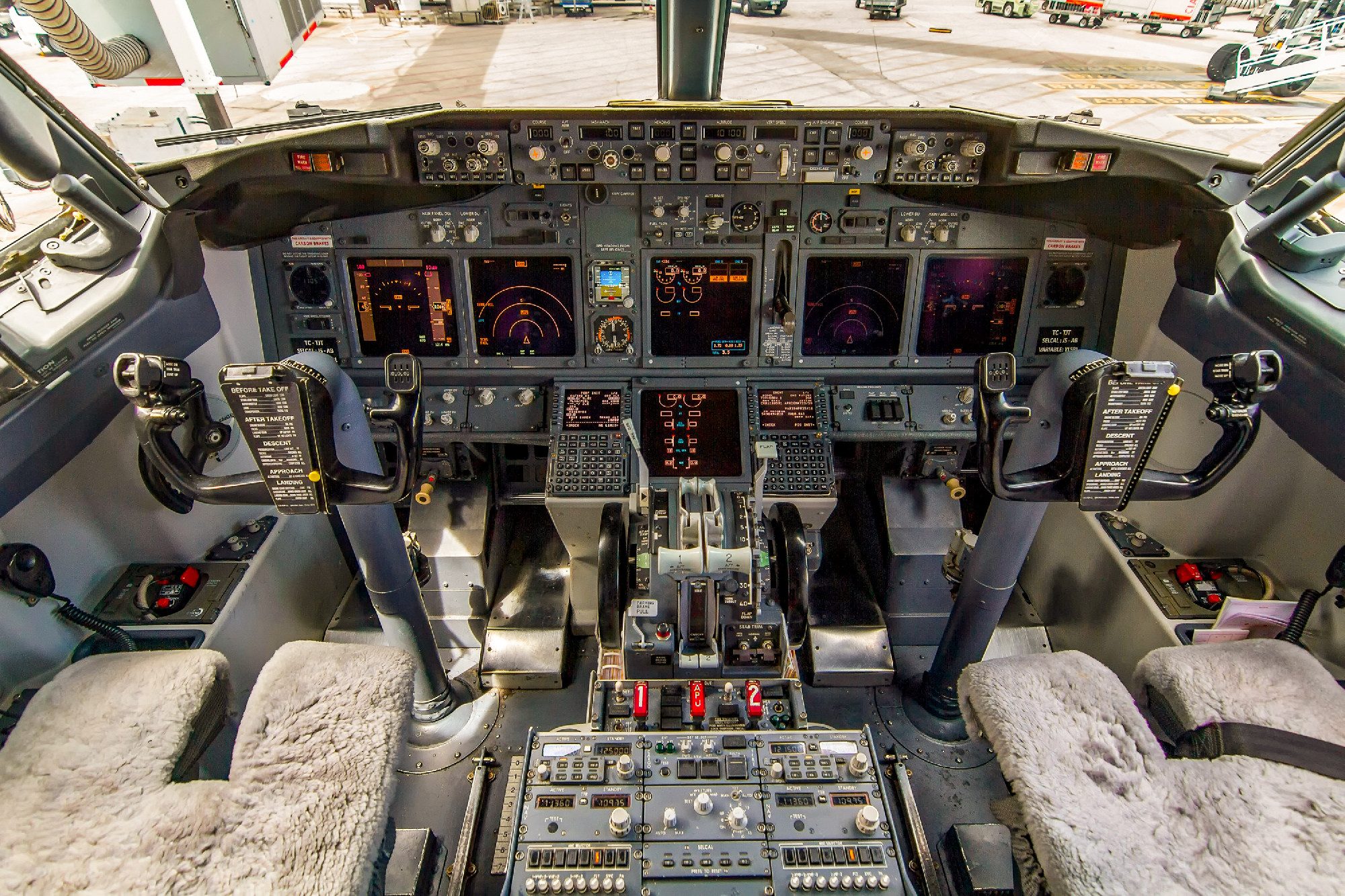
Flight attendants face a 50 percent higher risk of radiation-related cancer mortality compared to other professional groups, while pilots encounter a 36 percent increase. Despite these figures, the study, published in JAMA Internal Medicine, notes that aircrew do not exhibit unusually high rates of cancer overall, with non-radiation-linked diagnoses falling near the median for all professions examined.
The primary culprit identified is cosmic radiation. Earth’s atmosphere shields the surface from high-energy space particles, but this protection thins at typical commercial flight altitudes. Aircrew members absorb between 3 and 6 millisieverts annually, far outpacing the 0.4 millisieverts estimated for frequent commercial travelers. While the study does not definitively isolate cosmic radiation as the sole cause, experts highlight compounding factors such as ultraviolet exposure through cabin windows and the disruption of circadian rhythms caused by irregular shift work.
Researchers argue these findings warrant a reassessment of federal workplace standards. Although the Federal Aviation Administration acknowledges the ionizing radiation exposure of flight personnel, the United States currently lacks federal dose limits or mandatory monitoring requirements for aircrew. The study suggests that implementing protections and tracking systems equivalent to those in other high-exposure industries could better manage these long-term health risks.



Comments (0)
No comments yet. Be the first!