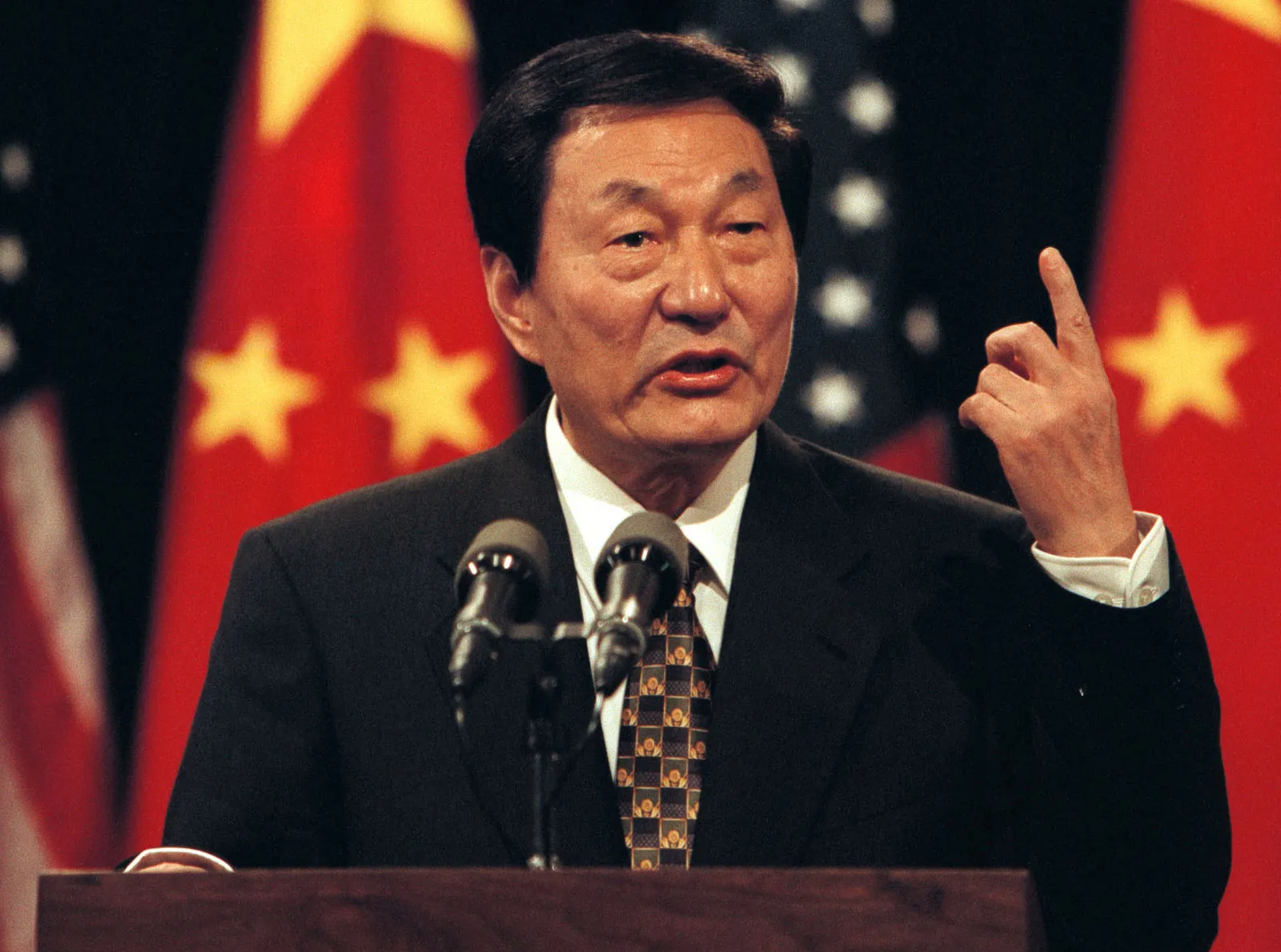
Zhu served as a central architect of the nation’s 1990s fiscal overhaul, famously dismantling the inefficiencies of the state-run banking sector and centralizing tax collection. His tenure was defined by a pragmatic, often ruthless approach to modernization that ultimately cleared the institutional hurdles required for China’s accession to the World Trade Organization. While supporters credit him with laying the foundation for modern prosperity, his legacy remains anchored in the human cost of his policies, particularly the mass layoffs that followed the restructuring of state-owned enterprises.
Public discourse surrounding his death has revealed a fractured memory of his leadership. Despite active censorship of online platforms, waves of nostalgia have emerged, reflecting a period when economic policy was defined by dramatic, top-down shifts. For many, Zhu represents a bygone era of decisive reform that contrasts sharply with the current political climate, highlighting his enduring status as one of the most polarizing figures in recent Chinese history.



Comments (0)
No comments yet. Be the first!