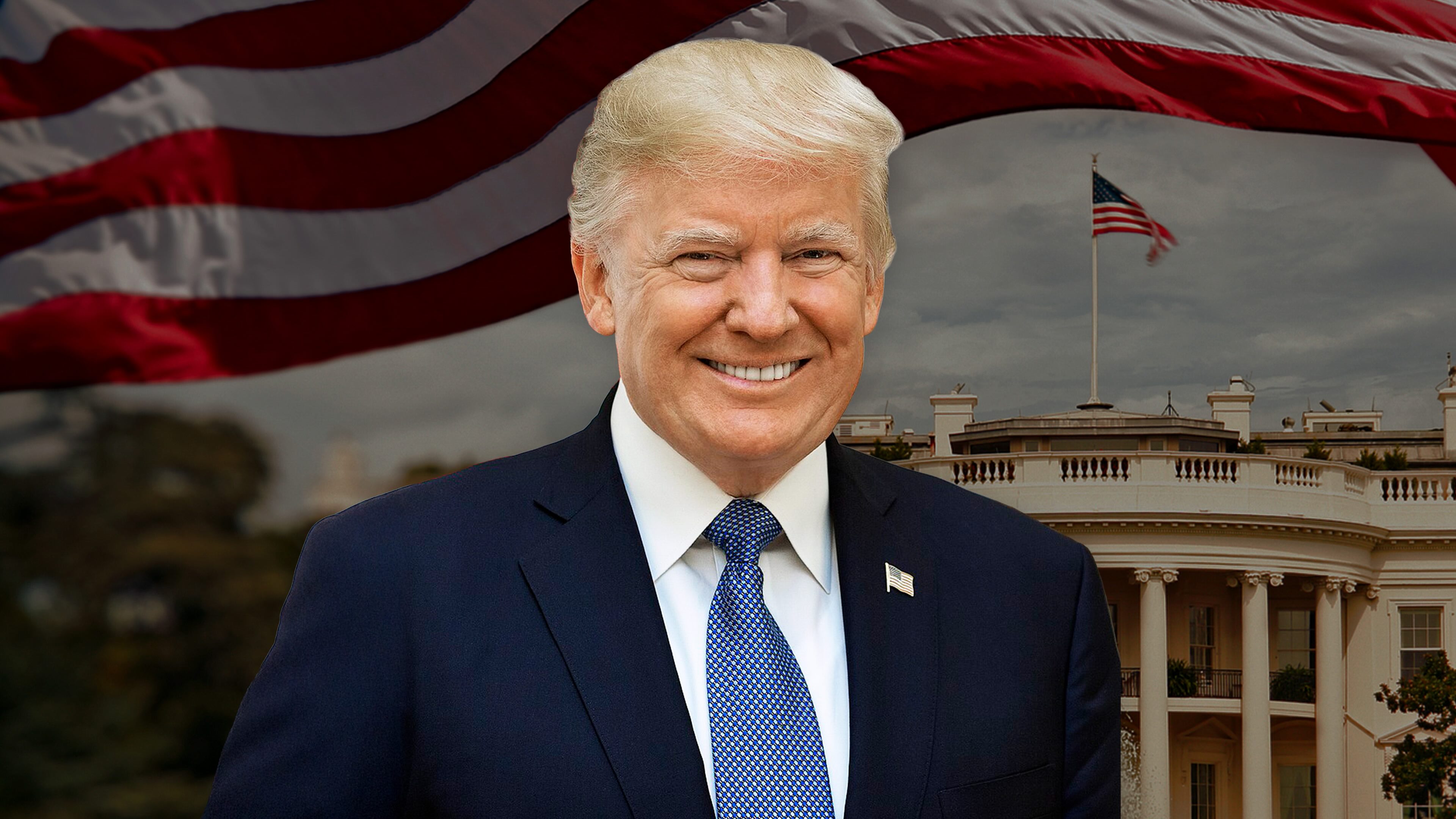
On Sunday, Trump instructed Secretary of Defense Pete Hegseth to scale back annual drills with Seoul, citing the cost of the exercises and his personal rapport with North Korean leader Kim Jong Un. The president justified the decision by claiming South Korea failed to support his objectives regarding Iran, fueling bipartisan anxiety over a potential US withdrawal from Asian security commitments. In a separate escalation on Monday, Trump warned that if Oman interfered with US interests in the Strait of Hormuz, he would bomb the Gulf nation. Oman, a critical mediator in the ongoing conflict with Tehran, has maintained silence in response to the threat, despite a long-standing security agreement that grants the US access to Omani military facilities.
Experts and former officials warn that these maneuvers reflect a broader pattern of prioritizing personal whims over established diplomatic institutions. Retired Admiral James Stavridis criticized the approach as counterproductive, noting that threatening allies contradicts the requirements of regional stability. As Washington’s presence shifts, European and Asian partners have begun bypassing traditional channels, opting for the so-called "Merkel method"—absorbing provocations without public reaction to avoid inciting further volatility. While Trump maintains that his actions restore global respect for the United States, observers like Oxford historian Margaret MacMillan argue that the erosion of diplomatic norms is significantly increasing the risk of global instability.

Comments (0)
No comments yet. Be the first!