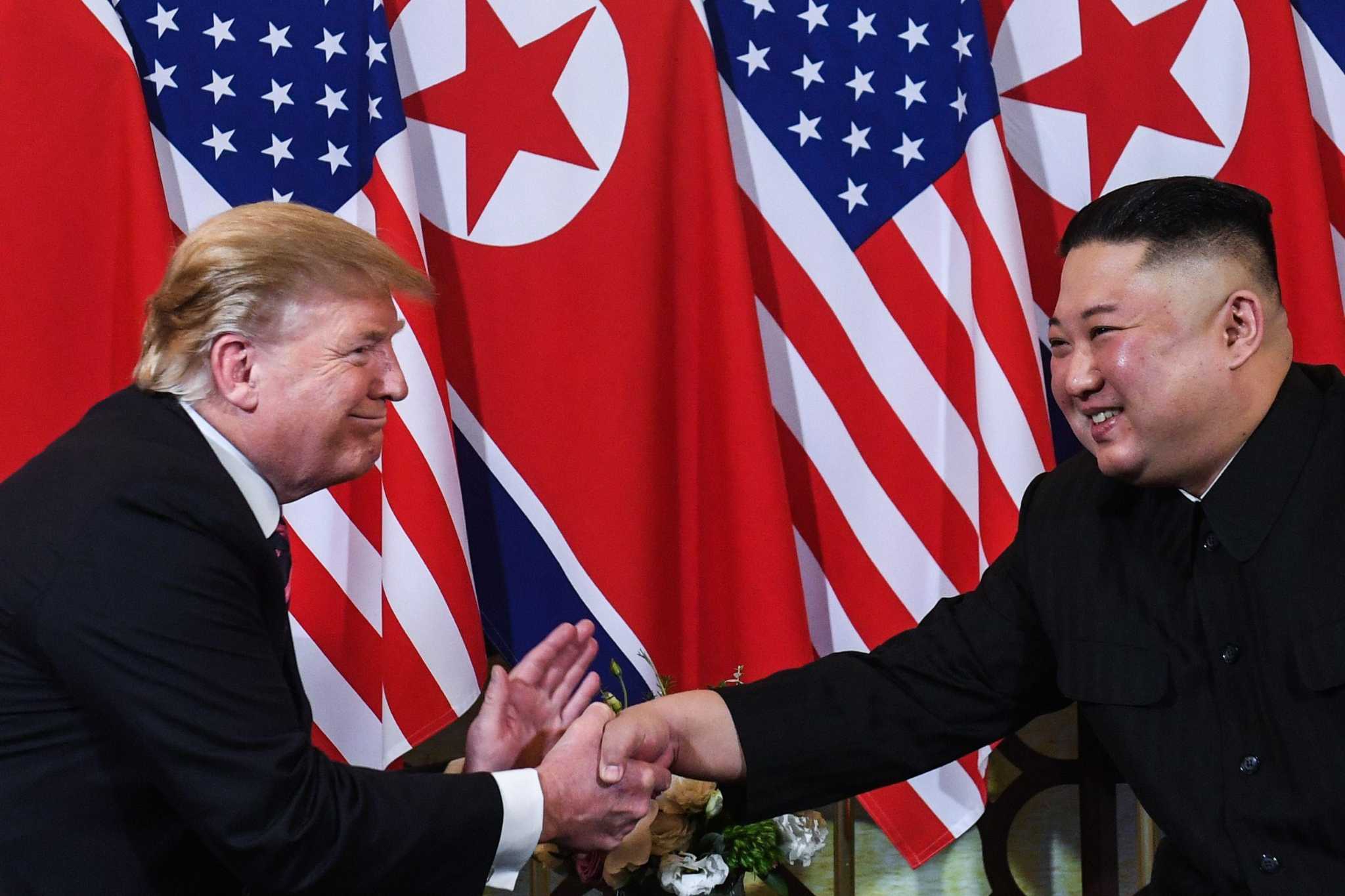
Trump described the ongoing communications as positive, though he offered no specifics on the substance or frequency of the exchanges. The president maintained that his personal rapport with Kim creates a safer environment, citing the mutual respect he shares with the North Korean leader. This outreach coincides with a significant shift in regional military posture, as Trump ordered the Pentagon to reduce the scale of the 11-day Ulchi Freedom Shield exercises. He framed the decision as a reaction to South Korea’s reluctance to assist in the U.S.-Israeli conflict with Iran, questioning why the U.S. should maintain a presence of roughly 39,000 troops to guard a partner that refuses to offer reciprocal support.
The policy shift has ignited concern among lawmakers and regional observers. Senator Jack Reed, the ranking Democrat on the Senate Armed Services Committee, condemned the move as a haphazard decision that signals vulnerability to global rivals like China and Russia. While Seoul’s presidential office maintains it is in close coordination with Washington, the reduction of drills occurs as the USS George Washington, the only U.S. carrier in the Pacific, is being redeployed to the Middle East. Pyongyang, which views such exercises as invasion rehearsals, recently test-fired a ballistic missile and threatened a new level of deterrence, leaving the long-term stability of the peninsula in question.

Comments (0)
No comments yet. Be the first!