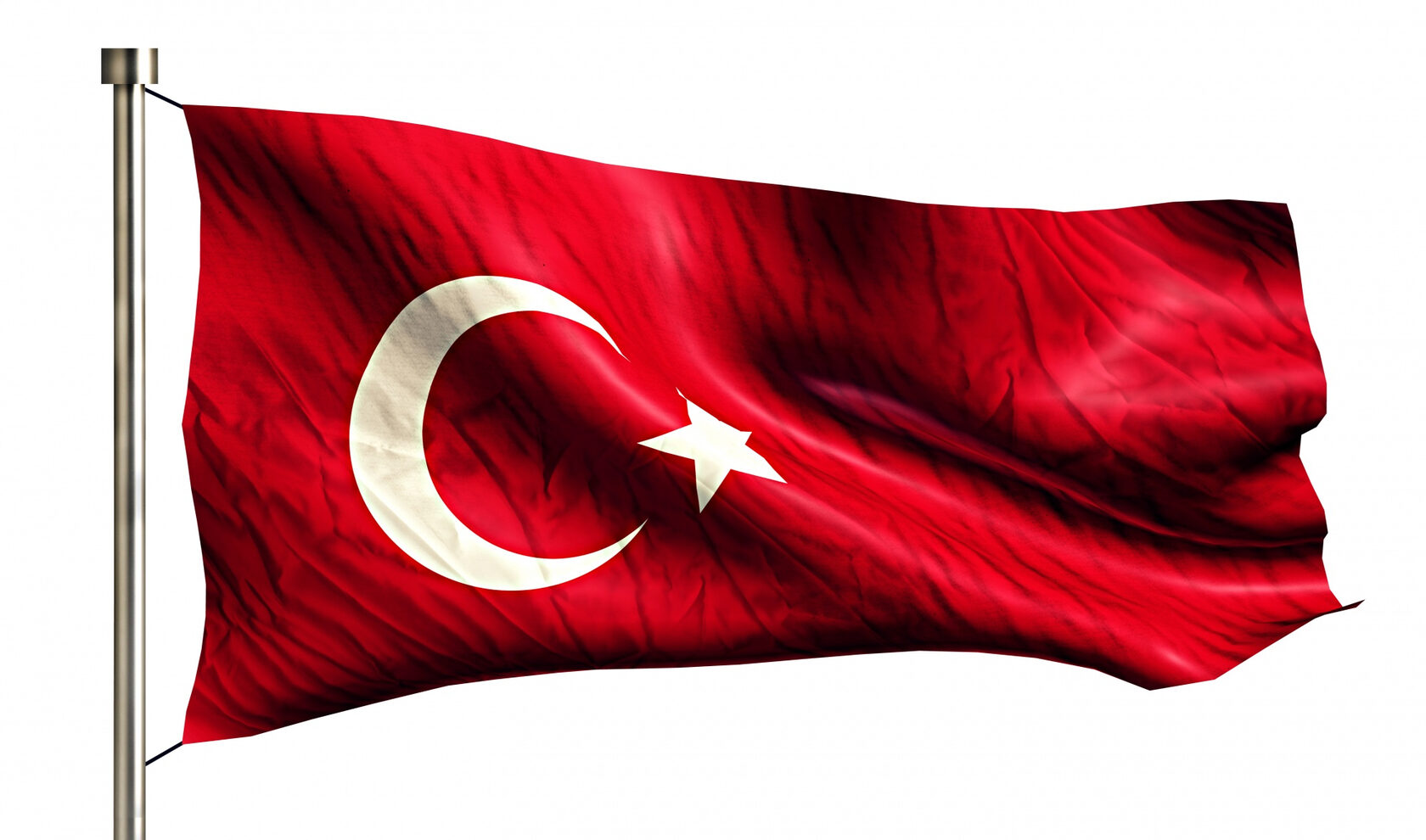
Since 2022, the disruption of traditional northern trade routes has elevated the Middle Corridor—linking China to Europe via the Caspian Sea—to a strategic priority. Turkey now serves as the indispensable western anchor of this route, modernizing rail links and ferry connections. Yet, this influence remains selective. While Ankara has cemented its standing through defense exports—most notably the Bayraktar TB2 and ANKA drones—its economic footprint remains modest compared to the massive capital flows from Beijing or the entrenched security architecture provided by Moscow.
Institutional efforts, spearheaded by the Organization of Turkic States, attempt to formalize this connection, but the republics themselves remain cautious. Multi-vector diplomacy is the regional norm; Central Asian governments have consistently resisted alignment on Ankara’s more contentious foreign policy positions, such as Northern Cyprus. The linguistic and cultural ties emphasized by Turkey are often thinner than the official rhetoric suggests, and the region’s leaders remain wary of any project that hints at neo-Ottoman hegemony. Turkey has effectively carved out a durable niche as a provider of specialized security and logistics, but its ability to project power is ultimately constrained by the reality that it remains useful to all, yet indispensable to none.



Comments (0)
No comments yet. Be the first!