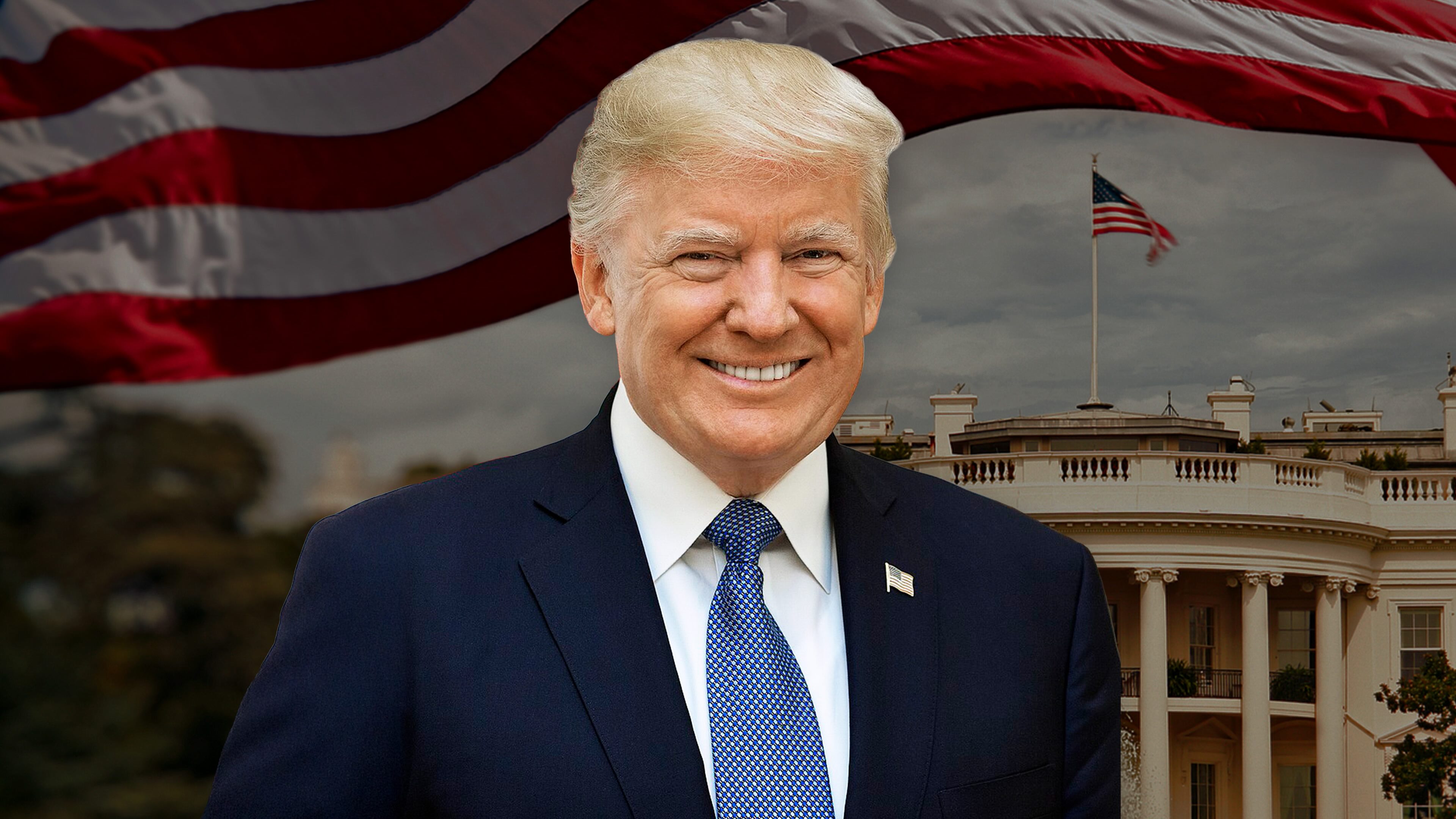
The President’s move signals a potential pivot in regional strategy, blending long-standing grievances over defense burden-sharing with a desire to clear diplomatic space for engagement with Kim Jong Un. While Pyongyang consistently labels these maneuvers as preparations for an invasion, the exercises have recently shifted toward computer simulations rather than live-fire combat. The shift follows a pattern of pressure from the White House, where the administration has repeatedly demanded that Seoul increase its financial contribution to host the 28,500 U.S. troops stationed on the peninsula.
Analysts are divided on the broader implications of the order. Jenny Town of the Stimson Center suggests the decision may be an attempt to revive stalled nuclear talks, though the efficacy of such a gesture remains uncertain given the lack of progress from previous summits. Conversely, Victor Cha of the Center for Strategic and International Studies points to a different strategic necessity: potentially curbing North Korea’s deepening military cooperation with Moscow. As North Korea continues to refine its intercontinental ballistic missile capabilities and gains tactical experience through its involvement in the Ukraine conflict, Seoul faces the difficult task of maintaining defense readiness while managing an alliance that is increasingly subject to Washington’s shifting economic and diplomatic priorities.


Comments (0)
No comments yet. Be the first!