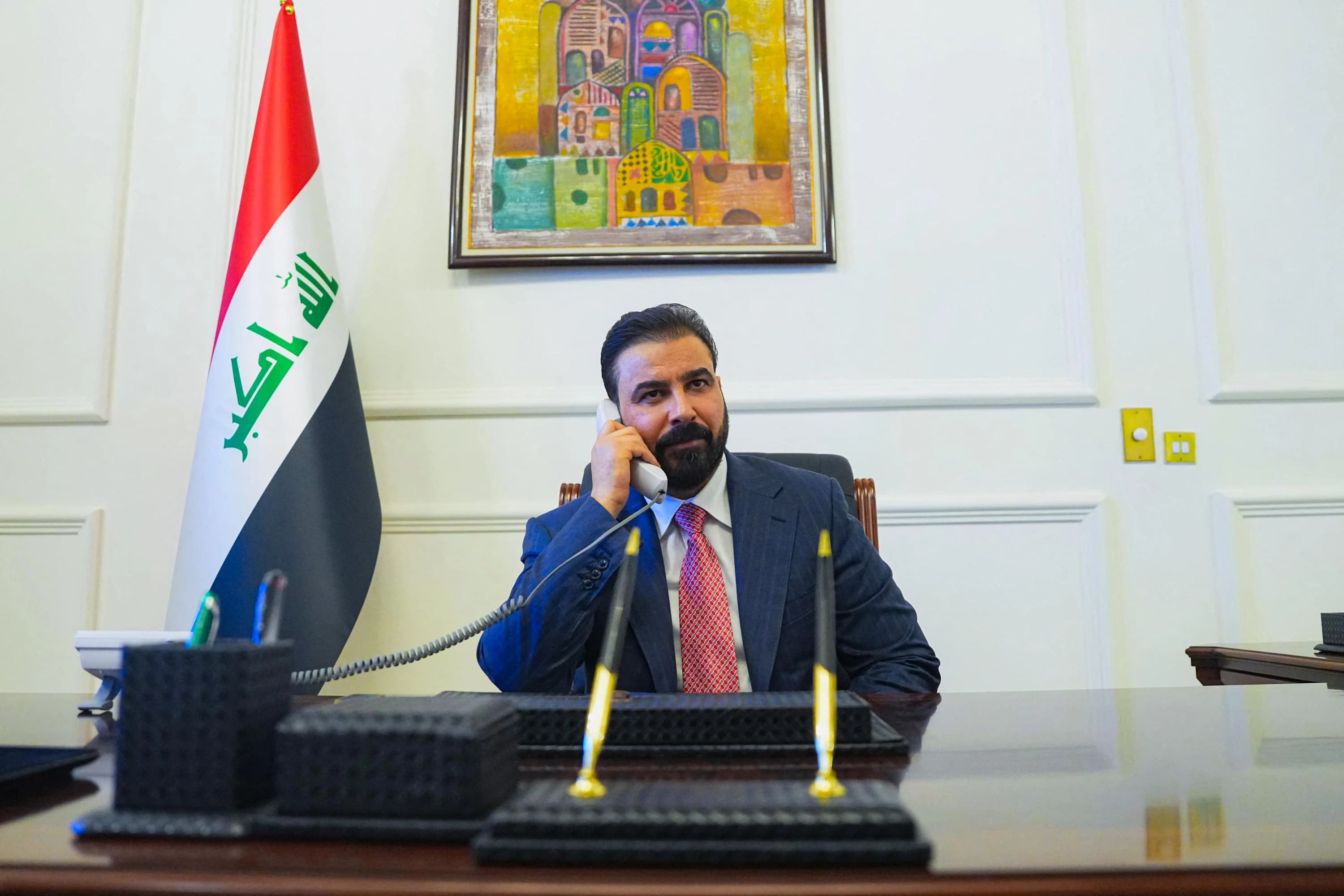
Prime Minister Ali al-Zaidi faces a narrow path. While he has placed his forces on a war footing to prevent internal chaos, his administration lacks the authority to disarm factions that act as the state’s own backbone. Groups like Kataib Hezbollah have openly rejected the order, viewing the disarmament drive as a foreign-backed project aimed at undermining their influence. Meanwhile, the Popular Mobilization Forces continue to leverage their 2014 origins—when they mobilized against the Islamic State under Grand Ayatollah Ali al-Sistani—to frame their continued existence as a matter of national defense.
The pressure behind the deadline is financial. With Iraq’s oil exports plummeting 75 percent since February due to the closure of the Strait of Hormuz, Baghdad is desperate for sanctions relief and access to oil revenue held at the New York Fed. Washington has made militia disarmament a quiet condition for this economic support. However, previous attempts at compliance have been purely theatrical, with weapons filmed entering warehouses while command chains and loyalties remain unchanged. US envoy Tom Barrack has pushed for verifiable results, but the Iraqi state is too fragile to inspect the very forces that sustain it.
Ultimately, al-Zaidi will likely opt for a hollow handover to satisfy both Washington and the Gulf states, which have begun signaling their own intent to strike militias that threaten their borders. While the coalition will pack up on schedule, the underlying conflict remains. Twenty-two years after the initial invasion, the United States still holds the power to set the date of its departure, but it cannot dictate who maintains a monopoly on violence within Iraqi borders once its troops have left.


Comments (0)
No comments yet. Be the first!