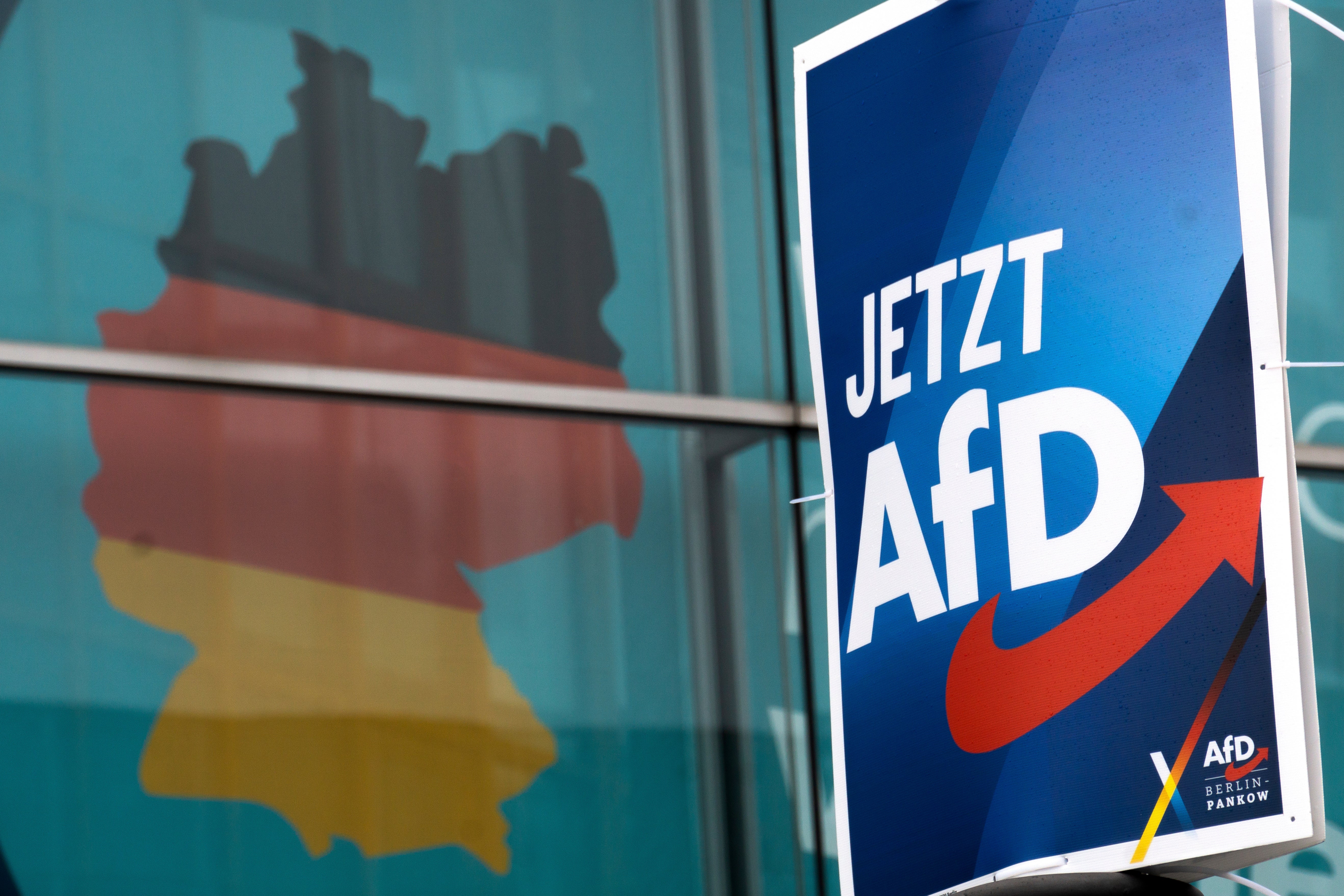
In towns like Quedlinburg, the struggle between legacy industry and future-oriented innovation is visible. Lars Gottschligg, head of SSC Hydrovent, represents a wave of entrepreneurs betting on renewable energy to revitalize abandoned sites. Despite the AfD polling at 41% in Saxony-Anhalt and 36% in Mecklenburg-Vorpommern, many younger residents and business owners remain skeptical that the party’s platform—which includes withdrawing from EU structures and curbing immigration—offers a viable path forward.
The region’s challenges are systemic: a dwindling workforce, high reliance on retirement-age residents, and a GDP per capita hovering at 76% of the national average. Economists at DIW Berlin suggest that the AfD’s proposed exit from the euro and reduced state spending could cost Saxony-Anhalt 10,000 jobs and €1,600 in annual per-capita income. Conversely, the party’s deputy chair in the state, Hans-Thomas Tillschneider, claims that removing CO2 levies and lifting sanctions on Russia would ignite an economic boom by slashing energy costs.
Contrasting these political promises are grassroots efforts to address labour shortages through integration. At the University of Rostock, internationalizing the marine engineering program boosted enrollment from 10 to 200 students in two semesters. Such initiatives, however, face potential hurdles under AfD proposals to implement tuition fees for non-EU students. As the region navigates these competing visions, the fundamental tension remains: whether to retreat into a protectionist past or continue the difficult work of integrating into a broader, modern European economy.


Comments (0)
No comments yet. Be the first!