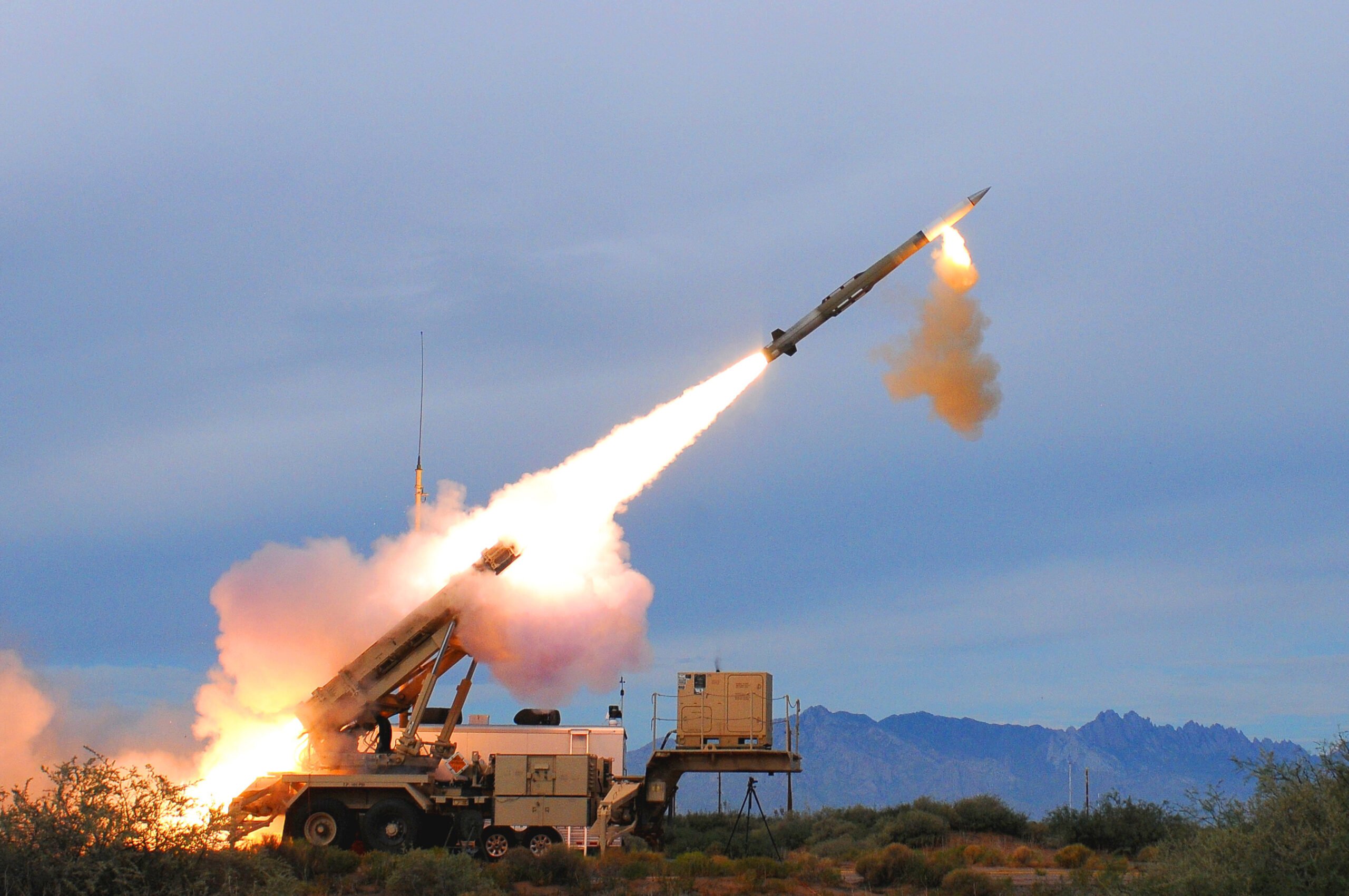
The Patriot—short for Phased Array Tracking Radar for Intercept on Target—has become the world’s most sought-after shield since its 1991 Gulf War debut. Developed by Raytheon and modernized continuously, the system is designed to remain operational through 2048. Its effectiveness relies on a modular architecture: radar, control stations, and specialized interceptors. While the older PAC-2 uses blast-fragmentation to neutralize threats, the newer PAC-3 family, produced by Lockheed Martin, employs hit-to-kill technology to physically collide with ballistic missiles, cruise missiles, and even hypersonic threats like the Russian Kinzhal.
Financial and logistical constraints now define the system's deployment. A single battery commands a price tag exceeding $1 billion, with individual PAC-3 interceptors costing up to $5 million. The Center for Strategic and International Studies estimates that US stockpiles dropped significantly between February and July, leaving fewer than 850 interceptors on hand. Gulf nations, which previously accounted for thousands of expenditures during local conflicts, are similarly depleted. To mitigate these shortages, the US has authorized over 5,000 new interceptors for regional allies and recently awarded Lockheed Martin a $58.6 billion contract to ramp up production. Meanwhile, discussions persist regarding the potential for Ukraine to manufacture components locally to maintain its defensive posture.


Comments (0)
No comments yet. Be the first!