While independent voters appear receptive to specific progressive economic proposals, such as universal healthcare coverage—backed by 60% of respondents—they remain wary of the democratic socialist label. Forty-three percent of independents indicated they are less likely to support a candidate identifying with the movement, reflecting a broader discomfort with political extremism. This sentiment is further complicated by Republican efforts to frame the Democratic platform as radical, with some voters expressing concerns about perceived communist influence within the party ranks.
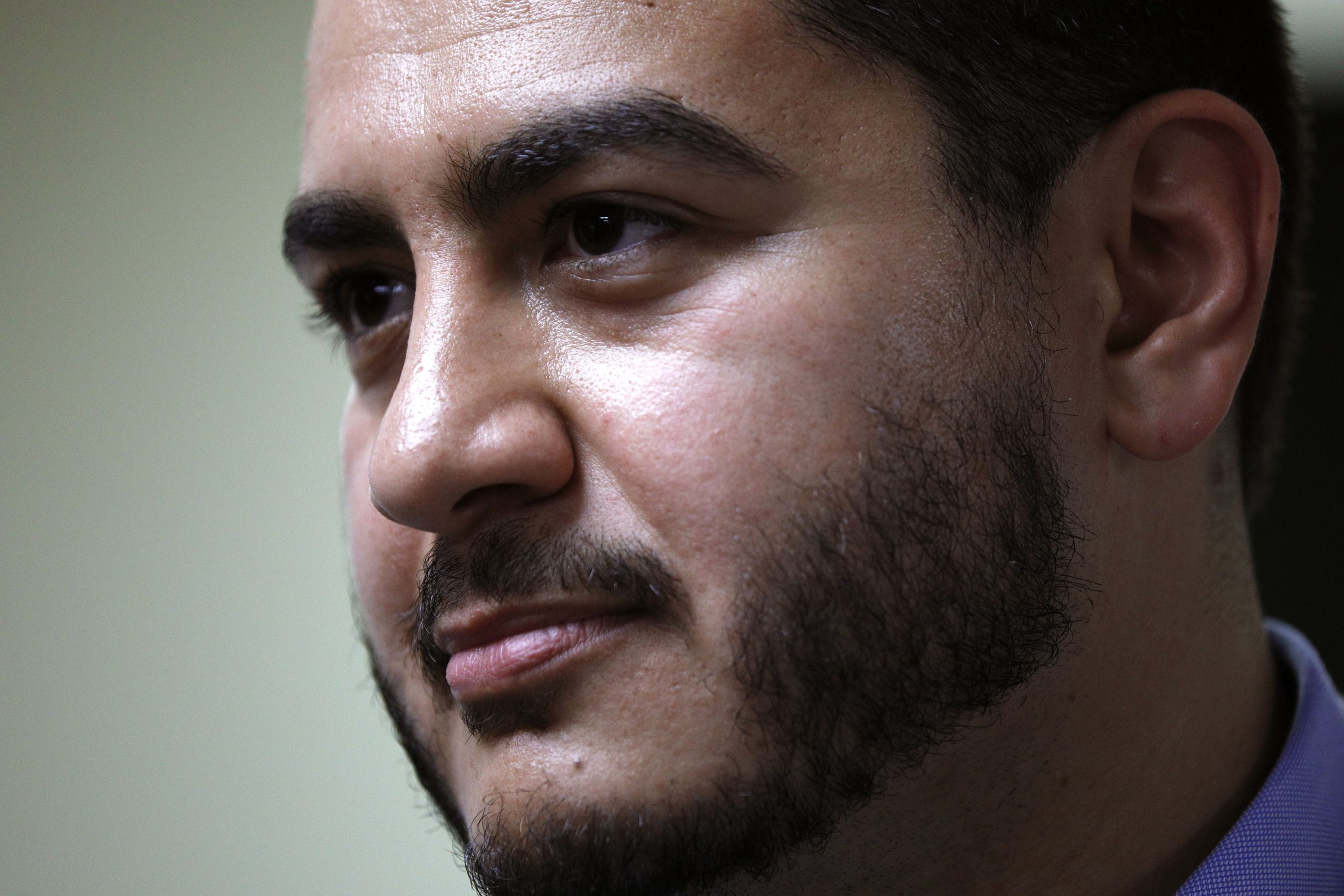
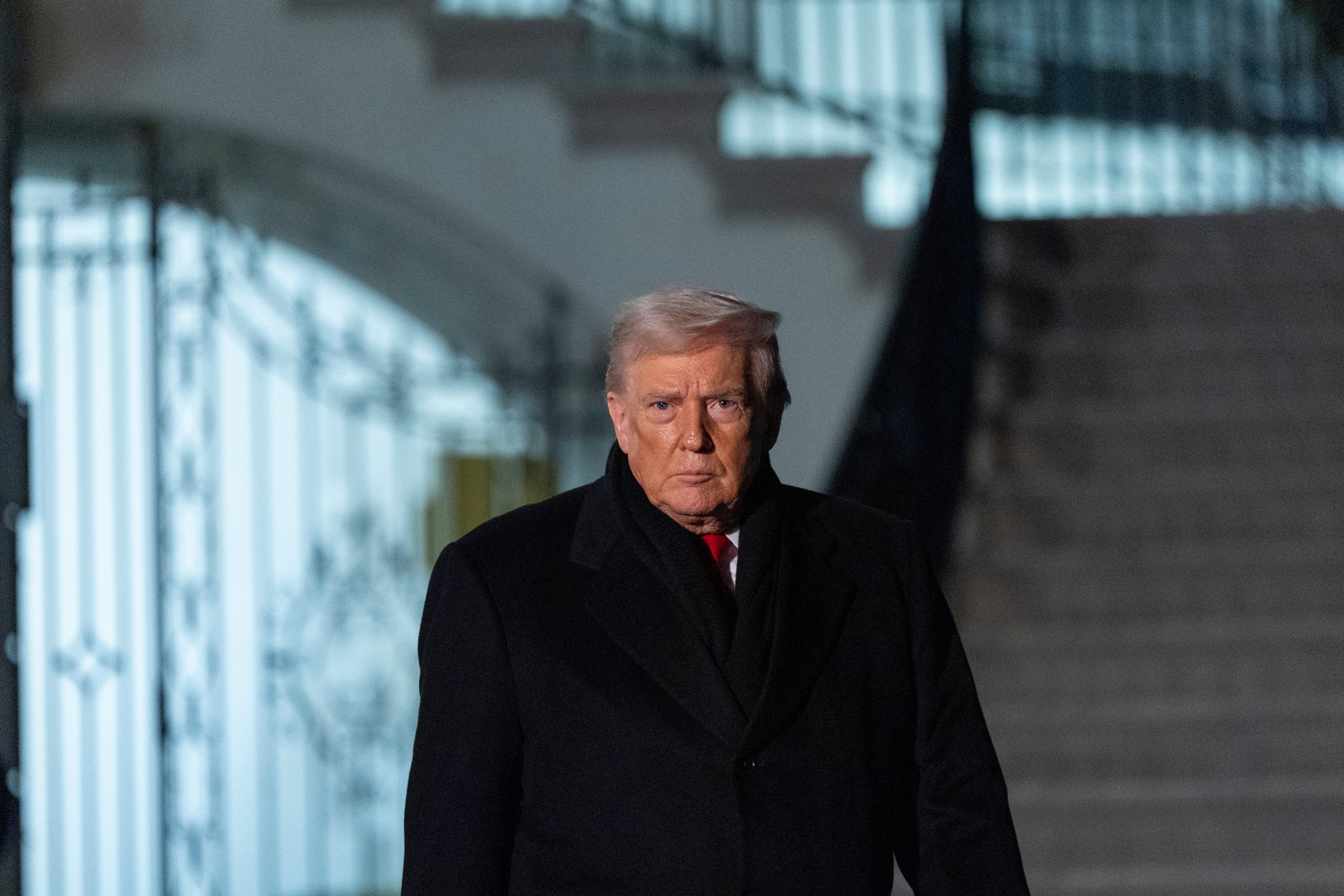
Strategists remain divided on whether these attacks will resonate in a volatile electoral climate. Some Republican operatives suggest that name-calling may prove ineffective against a backdrop of deep voter dissatisfaction with both major parties. This skepticism is balanced by the fact that the "MAGA" movement faces its own hurdles, with 59% of independents stating they are less likely to support candidates closely aligned with Donald Trump. As candidates like Michigan’s Abdul El-Sayed prepare for high-stakes contests, they must navigate a complex electorate that simultaneously demands economic reform and rejects ideological branding.


Comments (0)
No comments yet. Be the first!