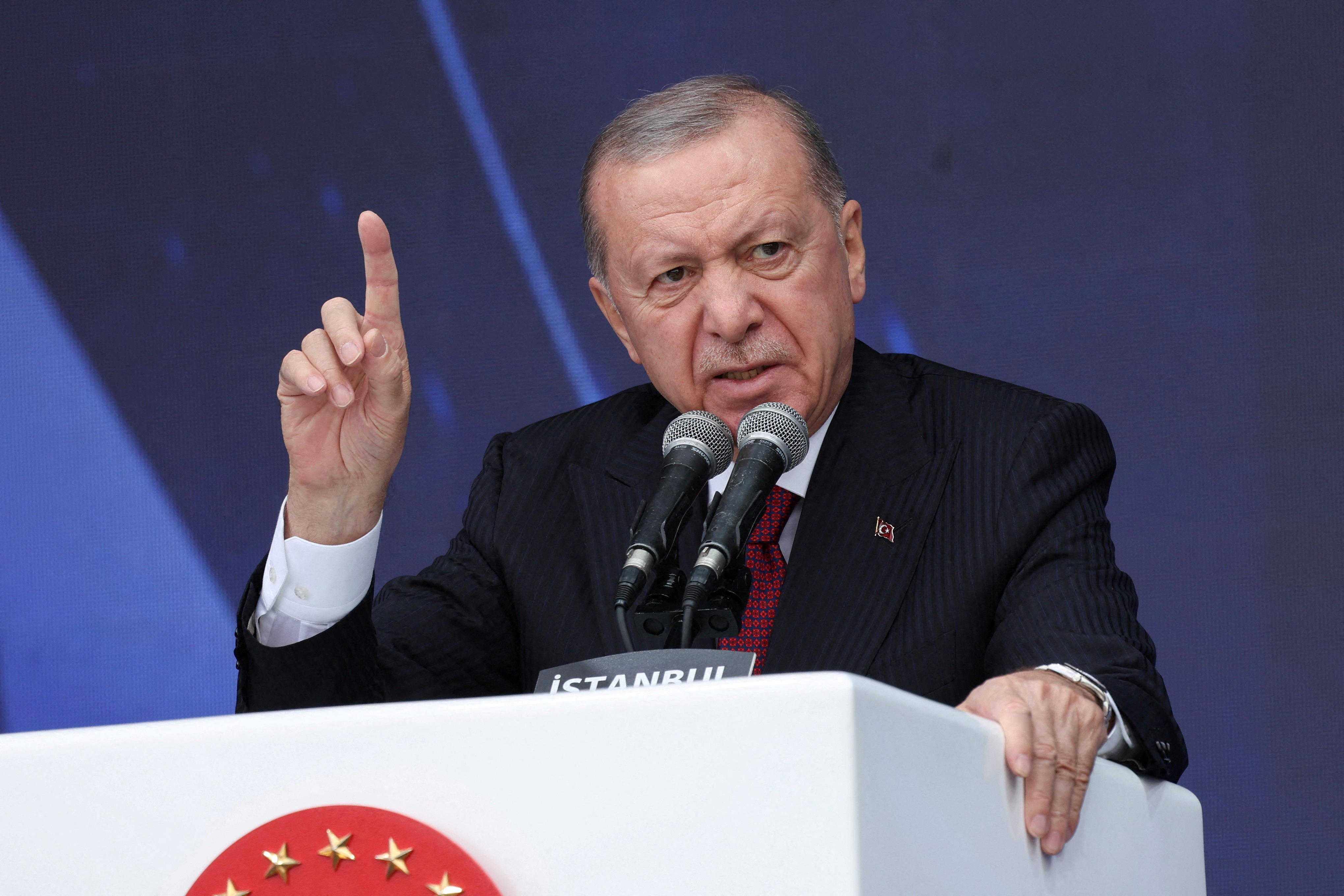
The agreement follows nearly a year of intensive negotiations aimed at stabilizing a region fractured by persistent cross-border conflicts and the influence of revolutionary Iran. Turkish President Tayyip Erdogan and Pakistani Prime Minister Shehbaz Sharif, accompanied by army chief Asim Munir, arrived in Saudi Arabia to meet with Crown Prince Mohammed bin Salman. While the specific operational commitments remain under wraps, the deal reflects a growing desire among these nations to address collective security concerns independently of traditional Western frameworks.
For Saudi Arabia, the stakes are immediate. The kingdom has faced repeated strikes from Iranian-backed Houthi forces in Yemen and militias in Iraq, complicating its ambitious economic development plans and oil export operations. Conversely, Turkey and Pakistan—each possessing significant military capacity, including Turkey’s NATO-standard forces and Pakistan’s nuclear deterrent—are seeking to insulate their own economies from the fallout of a conflict that has disrupted critical shipping lanes in the Strait of Hormuz.
The partnership builds upon deep-rooted military cooperation. Pakistan has provided technical training to Saudi forces for decades, while Turkey recently secured a massive drone export contract with Riyadh. By signing this accord in Mecca, the three nations are signaling a shift toward a more self-reliant regional security bloc, even as they balance these new commitments with existing relationships and a stated preference for diplomatic mediation.


Comments (0)
No comments yet. Be the first!