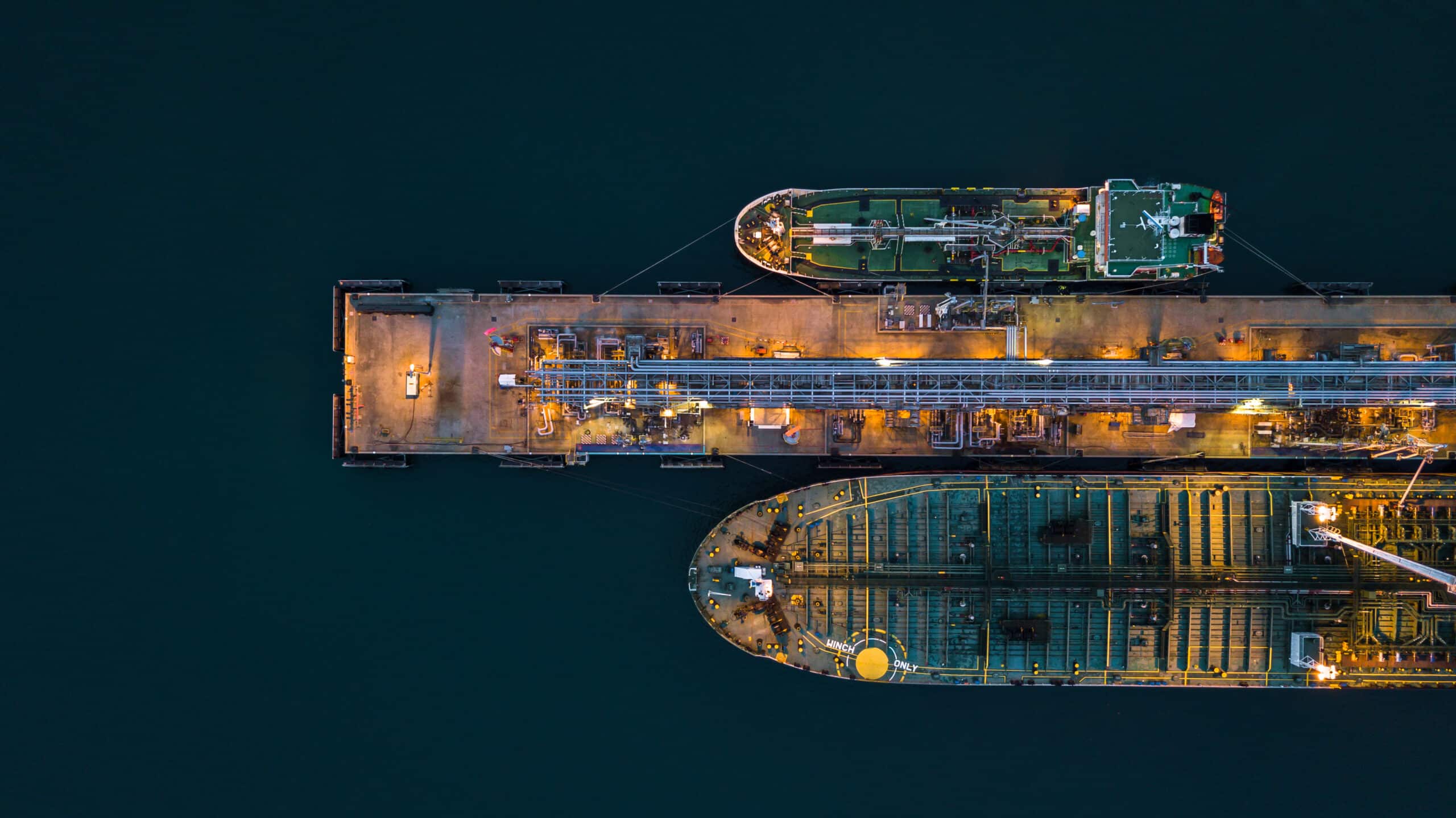
Australia highlights the complexity of this dilemma. Despite being a resource-rich nation, it imports 80 percent of its liquid fuel, leaving its mining and agricultural sectors exposed to global volatility. The government is now evaluating a 12 billion dollar investment to build a new refinery, yet critics argue this merely swaps one form of dependency for another. Conversely, mining giants like Fortescue Metals Group are pivoting toward electric haul trucks and renewable power, viewing electrification as a safeguard against unpredictable fuel markets.
Strategic Diversification
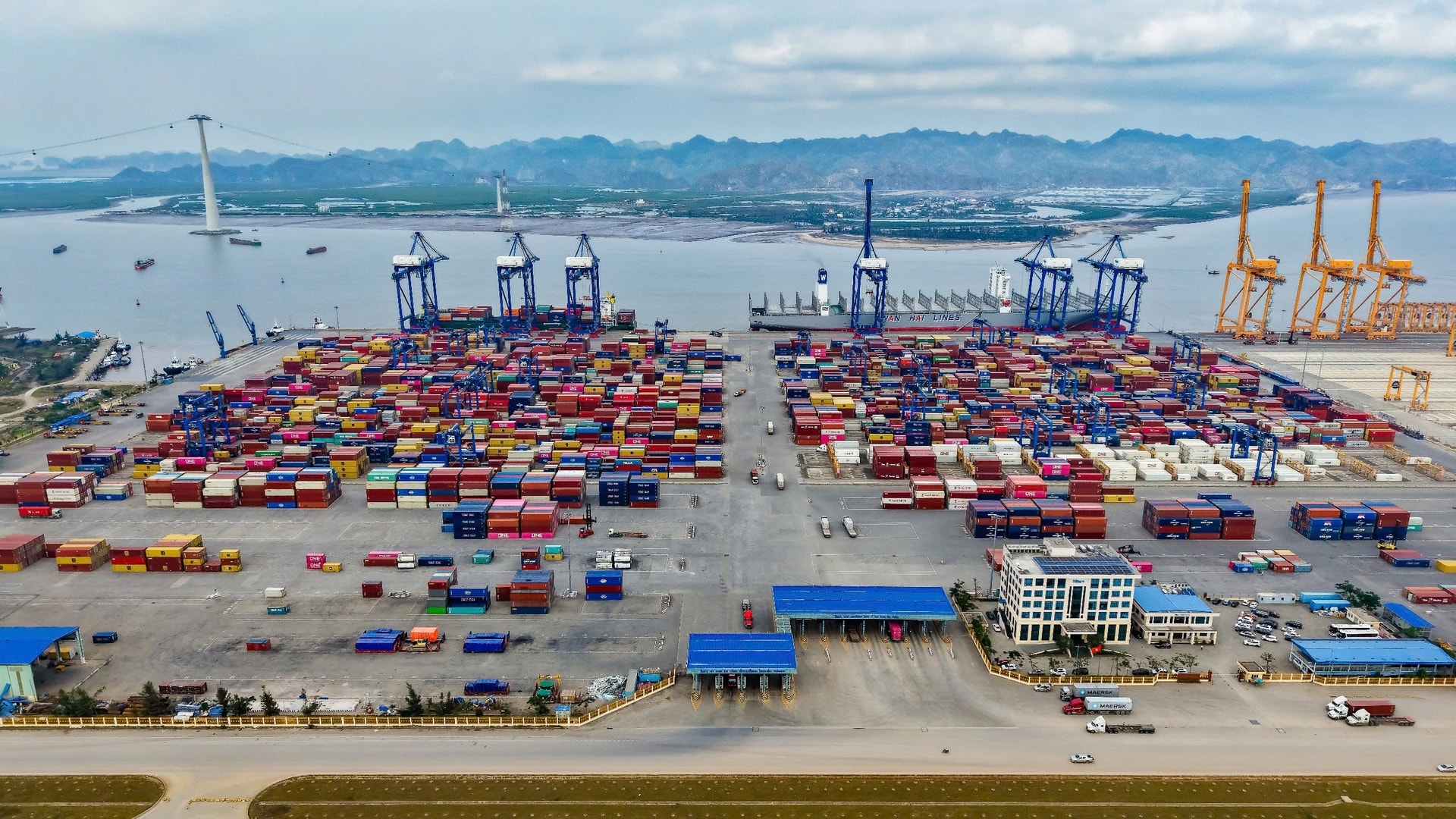
Transitioning away from fossil fuels remains a multi-decade challenge for heavy industry and aviation. Consequently, many nations are pursuing a hybrid model. Asian economies, including Vietnam, Indonesia, and Thailand, are aggressively subsidizing electric vehicle adoption while maintaining traditional energy infrastructure to prevent systemic shocks. This dual-track approach reflects a broader recognition that energy security no longer relies on securing a single supply route. Governments are instead prioritizing resilient supply chains and diversified energy baskets to insulate their economies from the next geopolitical flashpoint.



Comments (0)
No comments yet. Be the first!