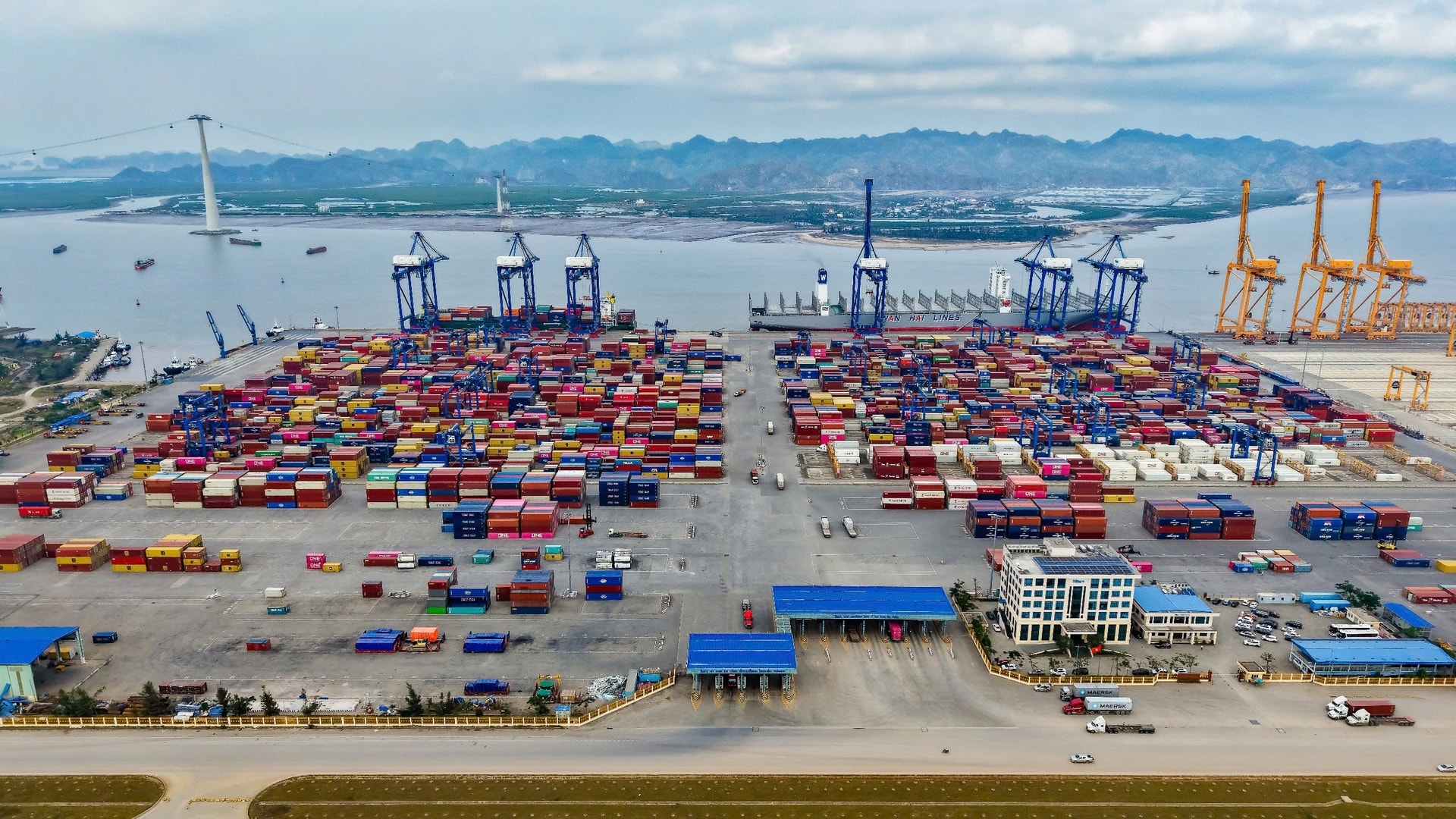
Announced by ADB President Masato Kanda at the 58th ASEAN Economic Ministers' Meeting in Metro Manila, the program addresses the mounting financial risks facing the region. With Southeast Asia producing one-fifth of the world’s fisheries and aquaculture, the economic stakes are high: coastal flood damage alone is projected to cost the region $11.5 billion annually. By treating marine health as a core asset rather than an environmental outlier, the bank seeks to move beyond traditional conservation toward infrastructure-led development.
Navigating Investment and Equity
The success of this initiative hinges on translating broad regional commitments into tangible projects. While the ADB plans to focus on institutional capacity, policy reform, and pollution reduction, the challenge lies in balancing commercial viability with public benefit. Port operators and logistics firms may find it easier to secure funding than community-led fisheries, which often lack the predictable revenue streams required by conventional financial models. Ensuring that small-scale producers and local communities are not sidelined by large-scale infrastructure projects will be a primary test for the bank's implementation strategy. Ultimately, the program’s impact will be measured not by the $6 billion figure, but by the ability of ASEAN governments to maintain transparent project pipelines that reconcile economic growth with the preservation of vulnerable coastal ecosystems.




Comments (0)
No comments yet. Be the first!