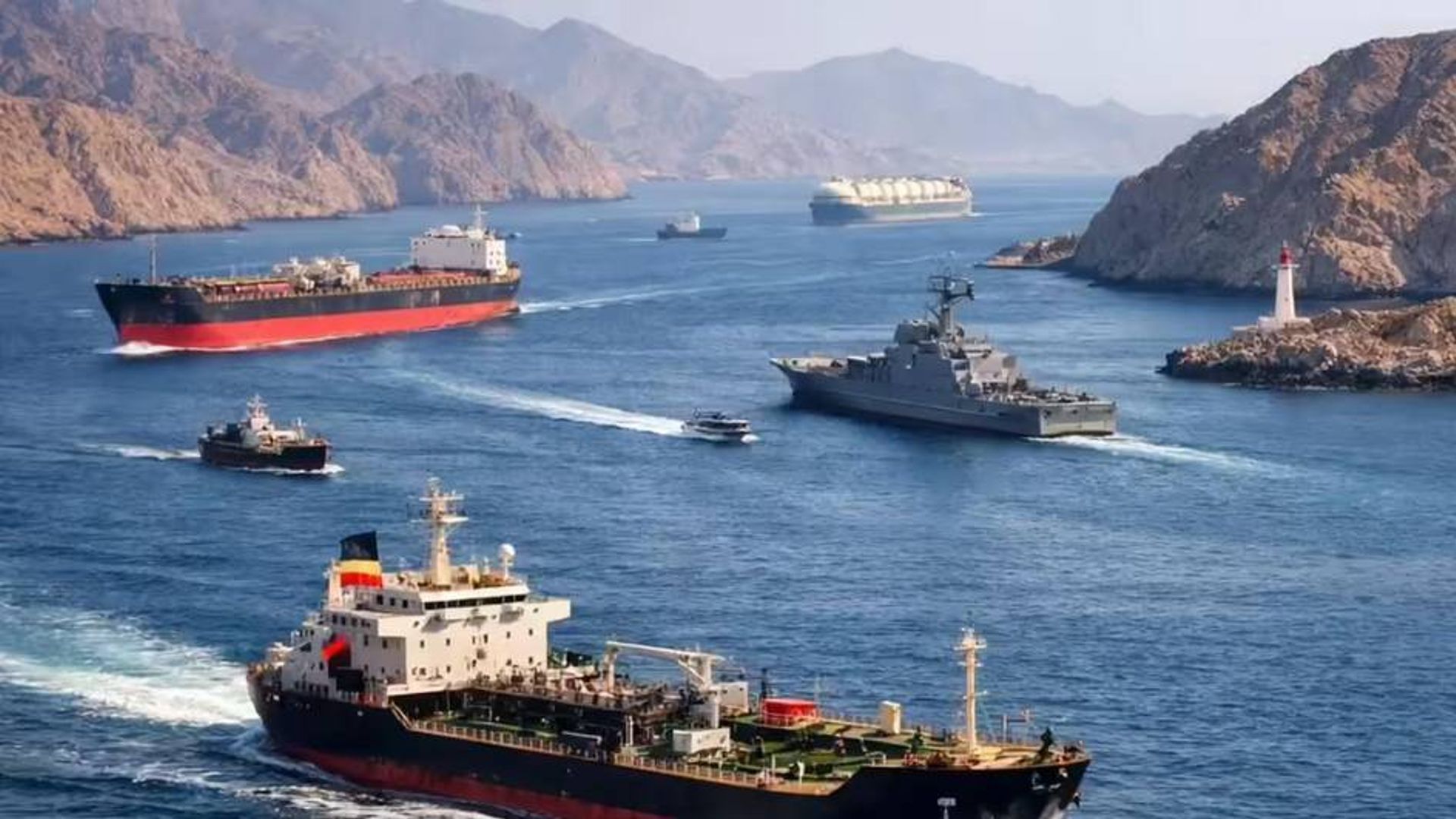
The proposal, currently under review by an Iranian parliamentary committee, outlines a restrictive maritime regime that would ban vessels deemed hostile—specifically those from the U.S. and Israel—from the critical waterway. Violators would face penalties of up to 20 percent of their cargo’s total value. Disagreements remain sharp: Tehran seeks transit fees between 5 and 7 percent, while Oman suggests a 3 percent levy. Washington, conversely, demands that the strait remain free of all charges.
Beyond the financial friction, the deal carries significant geopolitical stakes. If finalized, it would grant Tehran de facto authority over traffic through the gulf, marking a decisive shift in regional influence following the conflict that began in February. While Trump has publicly signaled that a deal is imminent, U.S. officials maintain they will not concede control of the waterway to Iran. Tensions are further compounded by Tehran’s warnings to Gulf states that any U.S. strike on Iranian territory would trigger retaliatory attacks against regional energy infrastructure. With over 3,400 deaths reported in Iran since the onset of hostilities, the diplomatic maneuvering serves as a fragile alternative to the ongoing cycle of missile and drone exchanges.



Comments (0)
No comments yet. Be the first!