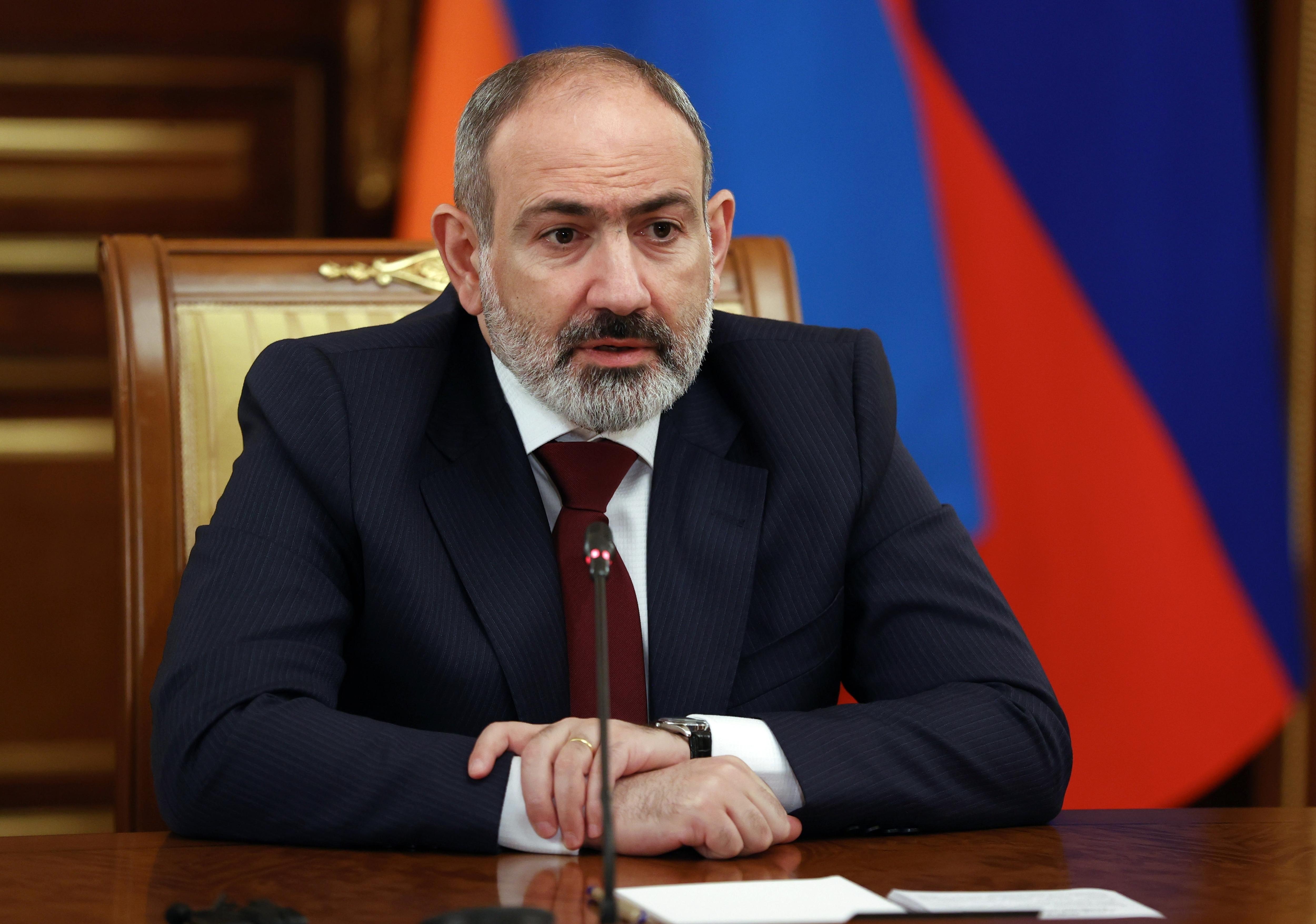
The strategic impetus for this shift is grounded in cold economic reality. While Yerevan maintains significant ties to the Eurasian Economic Union, which accounted for 35% of its trade compared to the EU's 11% in 2024, recent Russian crackdowns on Armenian produce and alcohol have exposed the inherent risk of such dependency. In response, the European Commission has moved to liberalize roughly 80% of Armenian exports, providing a necessary safety valve for the country’s agricultural sector.
Deepening this partnership requires moving beyond diplomatic frameworks like the Comprehensive and Enhanced Partnership Agreement. Experts argue that the next phase must center on the 'plumbing' of trade: establishing an EU-Armenia Trade Acceleration Facility, expanding export-credit guarantees, and harmonizing sanitary standards. Projects such as the EBRD-backed Yerevan Customs and Logistics Centre serve as the current blueprint for this transition. By modernizing financial infrastructure and aligning banking regulations with European standards, Armenia aims to transform its landlocked geography into a functional junction for the Middle Corridor, effectively securing its economic sovereignty through integration with the West.


Comments (0)
No comments yet. Be the first!