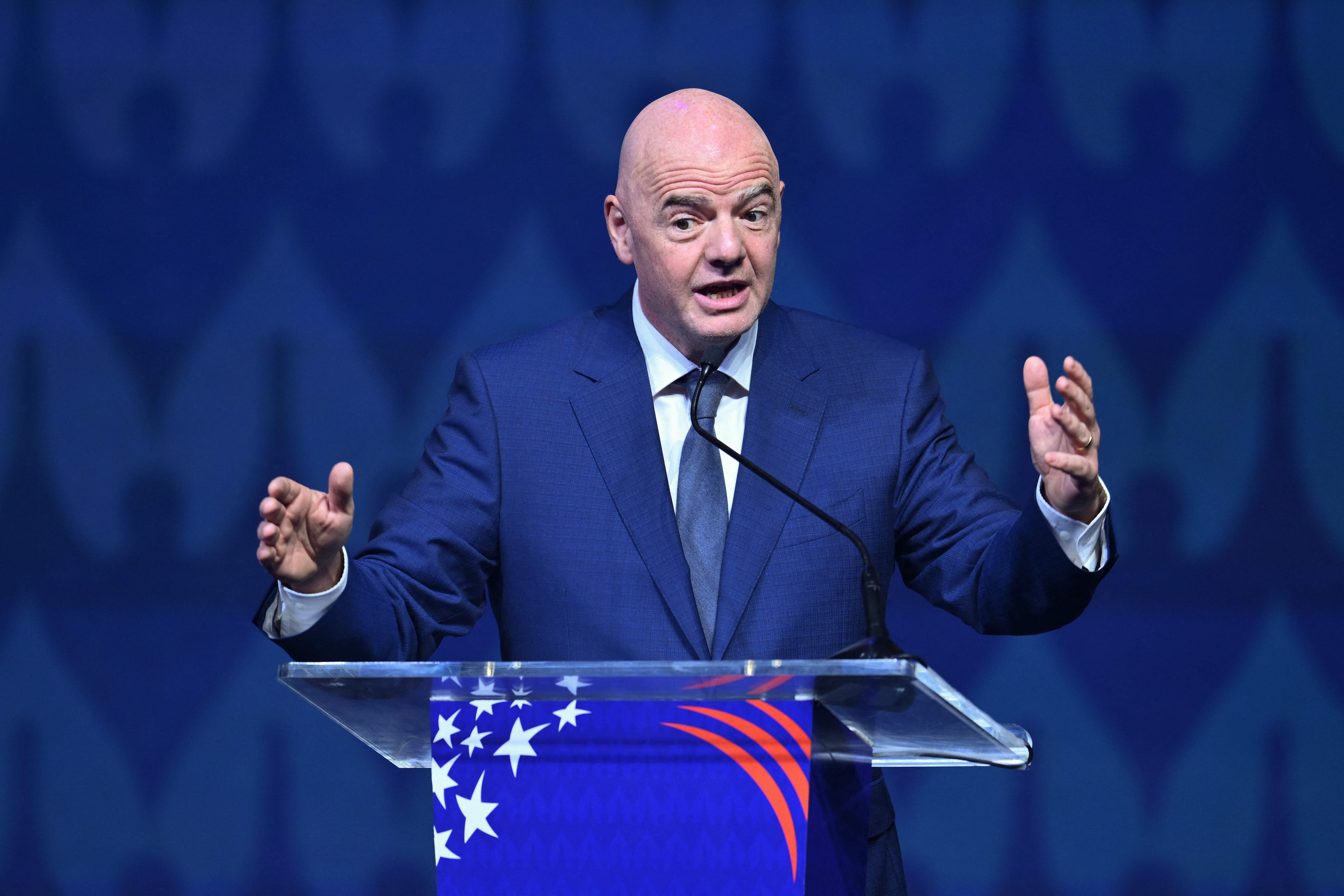
While the African endorsement bolsters Infantino’s path to the March election in Morocco, the governing body remains fractured. UEFA reaffirmed its boycott threat, explicitly stating that its conditions for renewed cooperation—specifically the permanent abandonment of private equity plans and guarantees against future unilateral shifts—remain unmet. UEFA officials dismissed the public displays of loyalty from FIFA staff as a symptom of a system where professional survival hinges on presidential favor.
Simultaneously, the internal pressure is mounting. CONMEBOL has issued a sharp rebuke regarding the lack of dialogue, warning against any further circumvention of established institutional mechanisms. Meanwhile, the players’ union, FIFPRO, described the secret negotiations as a profound abuse of power, rejecting FIFA’s defense that the controversy was merely a procedural misstep. As England and Albania formally withdrew their support, reports from the New York Times suggest that even high-level FIFA directors were blindsided by the proposal, fueling concerns over the secrecy surrounding the organization's strategic direction. Despite these cracks in his coalition, Infantino retains significant leverage through development funding, leaving him as the only viable candidate for the 2031 term.




Comments (0)
No comments yet. Be the first!