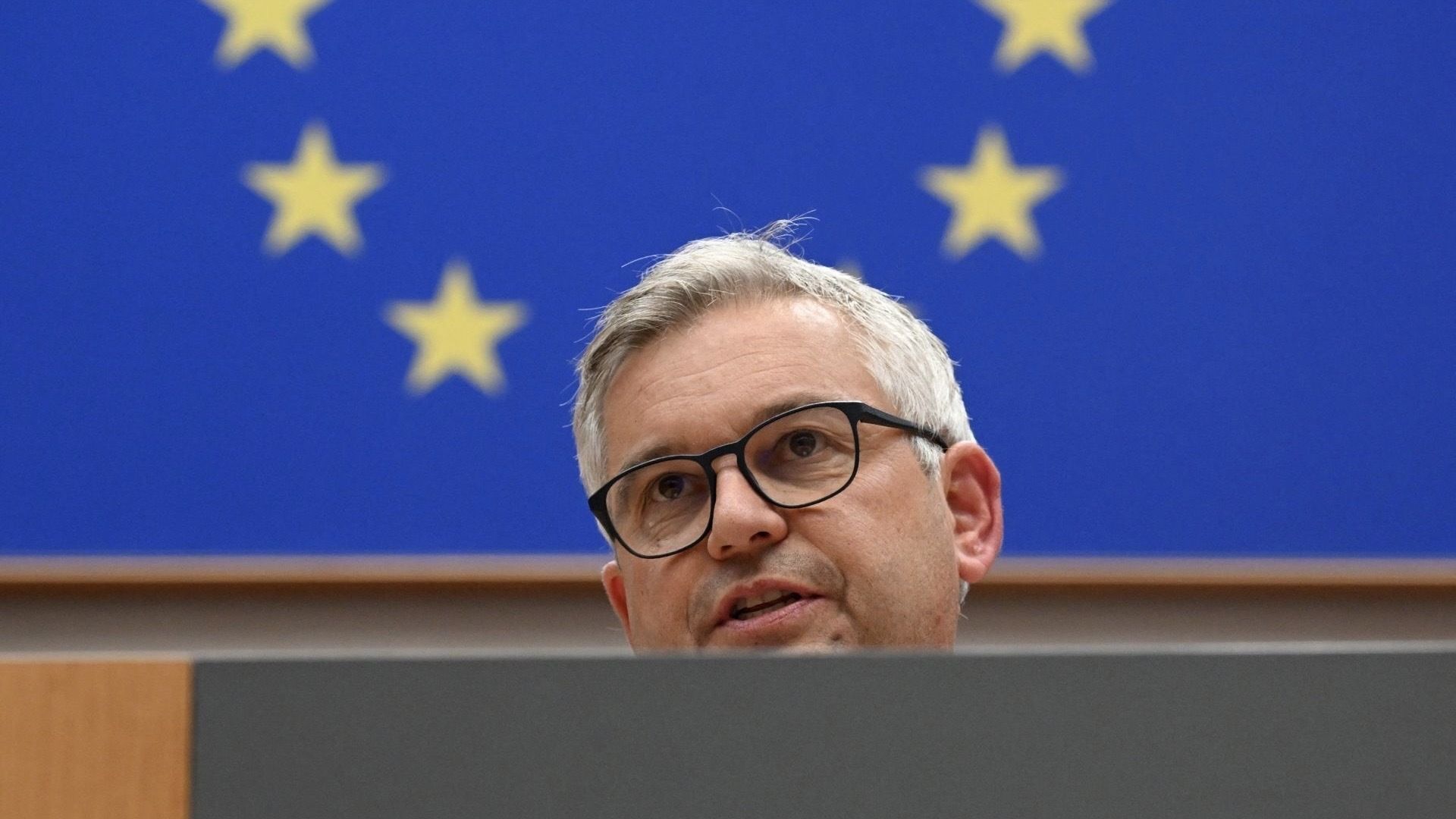
The scale of the incident has ignited a fierce debate within the European Parliament regarding the bloc's reliance on North African partners. While the EU currently provides financial incentives for border control, critics maintain this approach leaves the union vulnerable to political manipulation. Brunner emphasized that security cannot depend solely on the goodwill of a transit state, signaling a potential move toward more coercive diplomatic tools.
Contradictory accounts define the aftermath. Ceuta Mayor Juan Jesus Vivas labeled Morocco an unreliable partner, reporting that nearly 100 people perished during the crossing and thousands remain in the enclave. Conversely, Lahcen Haddad, co-president of the EU-Morocco Joint Parliamentary Committee, cited data showing that Morocco blocked 227,000 irregular attempts and dismantled over 1,050 smuggling networks between 2023 and 2025. Moroccan officials further deflected blame, pointing to a recent Spanish court ruling that complicated deportation processes for migrants arriving by sea.
As the Commission pushes for a long-stalled anti-smuggling directive, human rights groups warn against aggressive legislative responses. Organizations like PICUM argue that criminalizing assistance will only empower the smuggling networks the EU intends to dismantle, urging officials to prioritize safe pathways for protection instead of reactionary sanctions.


Comments (0)
No comments yet. Be the first!