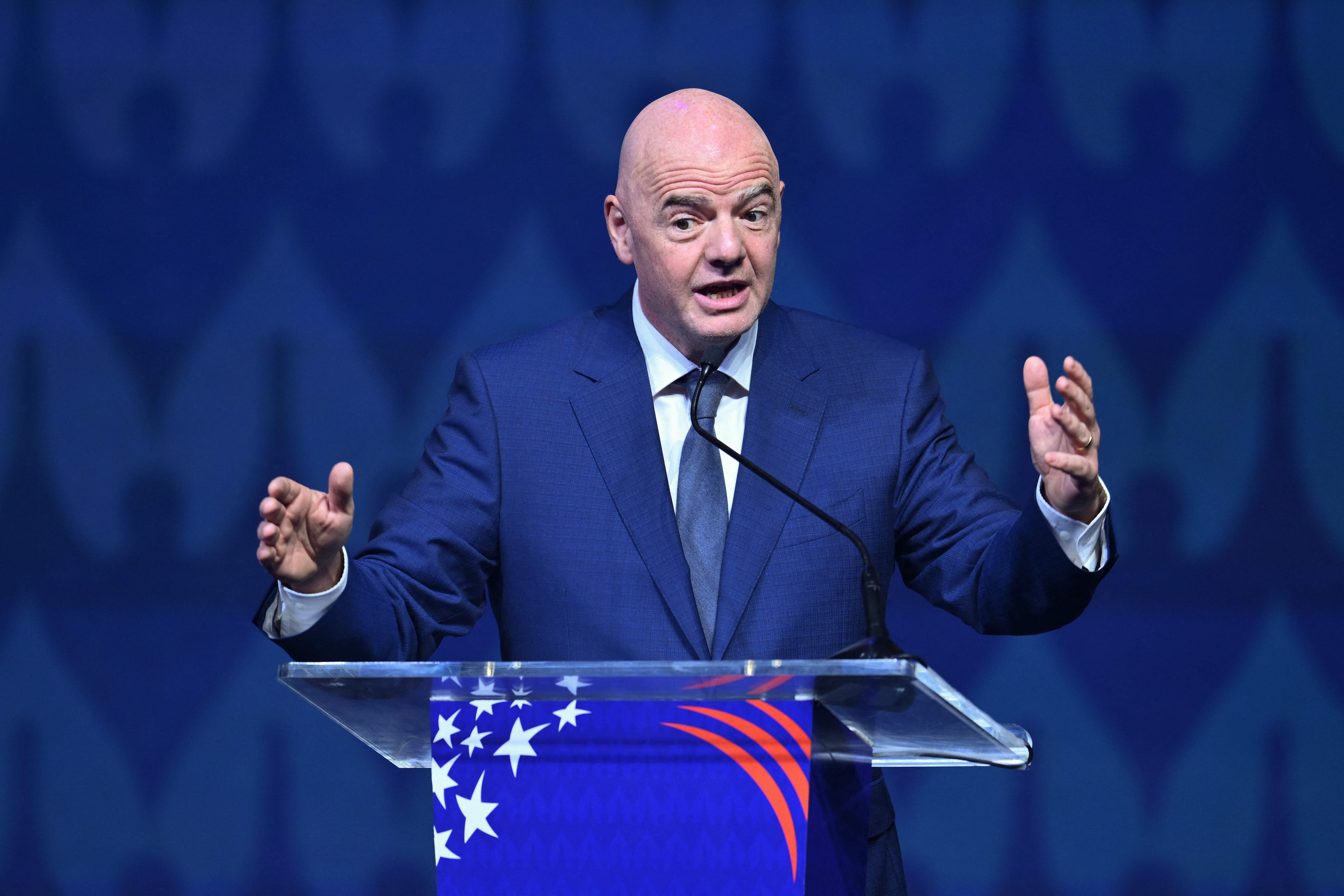
The apology issued to FIFA’s 211 members followed a fierce revolt from national federations who felt sidelined by leadership’s unilateral strategy. FIFA pledged to review the communication failures that triggered the backlash, yet the conciliatory tone masks a deepening divide. UEFA, representing 55 member associations, confirmed it remains committed to a boycott and maintains that it has lost confidence in Infantino’s presidency. The European body rejected FIFA’s attempts to frame the crisis as a mere procedural error, insisting that the core issues of institutional integrity remain unaddressed.
European Leagues added to the pressure by challenging the feasibility of a separate proposal to expand the 2030 World Cup to 64 teams. They argue that FIFA consistently bypasses consultation in favor of presenting stakeholders with pre-determined outcomes. Despite this, Infantino retains a firm political base among smaller associations in Africa and Asia, where his development funding remains vital. With no viable challenger currently emerging for the March election, the president appears secure in his quest for a fourth term, even as the demand for transparency in tournament expansion and commercial strategy continues to rise.


Comments (0)
No comments yet. Be the first!