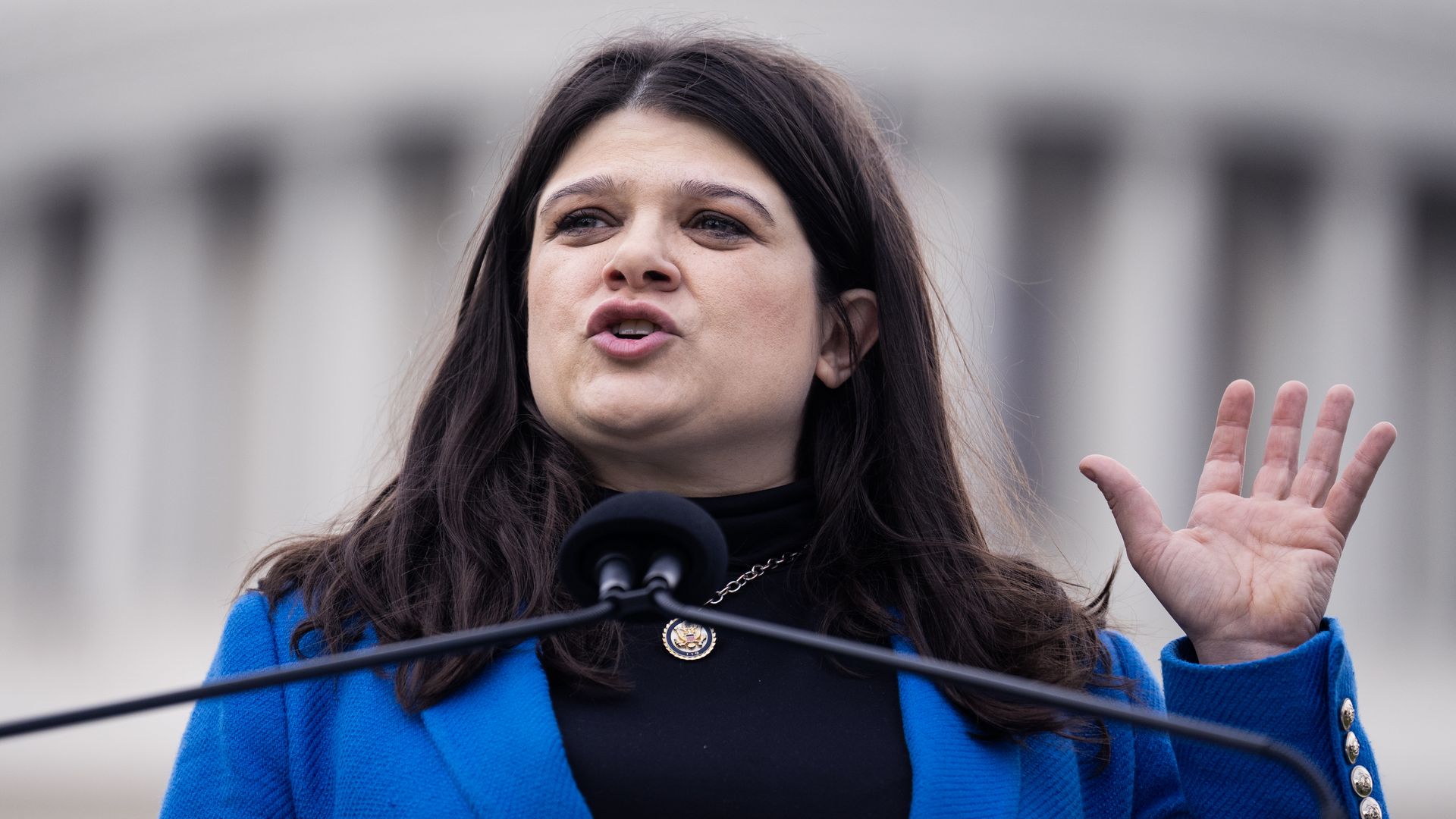
The contest pits El-Sayed, a former public health official advocating for the end of unconditional military aid to Israel, against Stevens, who enjoys significant backing from the party establishment and pro-Israel groups. While this primary functions as a test of the party's ideological direction, it also carries heavy weight for the upcoming general election. The eventual nominee will face Republican Mike Rogers in a battleground state that remains essential for Democratic control of the Senate.
Analysts suggest the race highlights a deepening divide within the party. For El-Sayed, the strategy centers on economic populism and redirecting taxpayer funds from foreign military aid toward domestic infrastructure and healthcare. Conversely, Stevens positions herself as the pragmatic choice, arguing that her moderate platform offers a more secure path to winning over independent voters in November. Her campaign has received substantial financial support from the American Israel Public Affairs Committee, though she has recently distanced herself from the policies of Prime Minister Benjamin Netanyahu.
With Michigan home to one of the largest Arab American populations in the country, the primary serves as a barometer for how national candidates may approach foreign policy in the 2028 presidential cycle. Strategists emphasize that regardless of the winner, the intensity of the campaign reflects a broader frustration with the political status quo that Democratic leadership can no longer afford to overlook.



Comments (0)
No comments yet. Be the first!