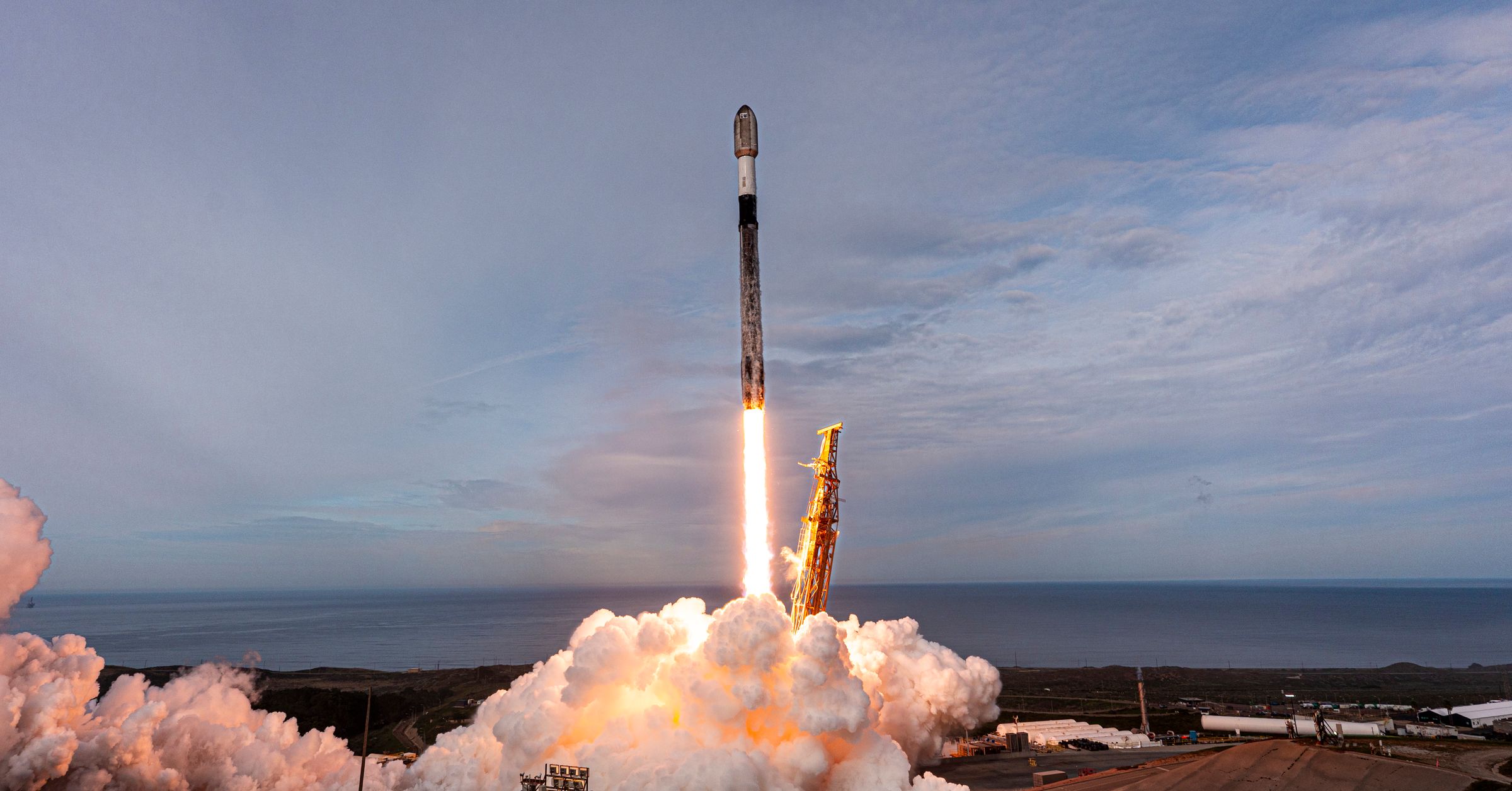
The collision, occurring at approximately 2:35 a.m. ET, follows a trajectory dictated by a complex interplay of gravitational forces and solar activity. While the event will likely generate a plume of lunar dust, observers on Earth will find the impact difficult to track. SpaceX officials confirmed the crash was unintentional, noting that the rocket’s fuel was depleted long before it drifted onto its current path toward the moon's western limb.
Astronomer Bill Gray, who first identified the orbital trajectory, noted that while the impact poses no threat to humanity, it underscores systemic issues regarding the disposal of space hardware. Unlike standard missions where boosters are de-orbited to burn up in Earth's atmosphere, this stage required extra thrust for its lunar mission, leaving it to drift among active satellites. As NASA advances its Artemis program to establish a lunar base, the agency is now reviewing protocols to prevent future errant collisions with the lunar surface.




Comments (0)
No comments yet. Be the first!