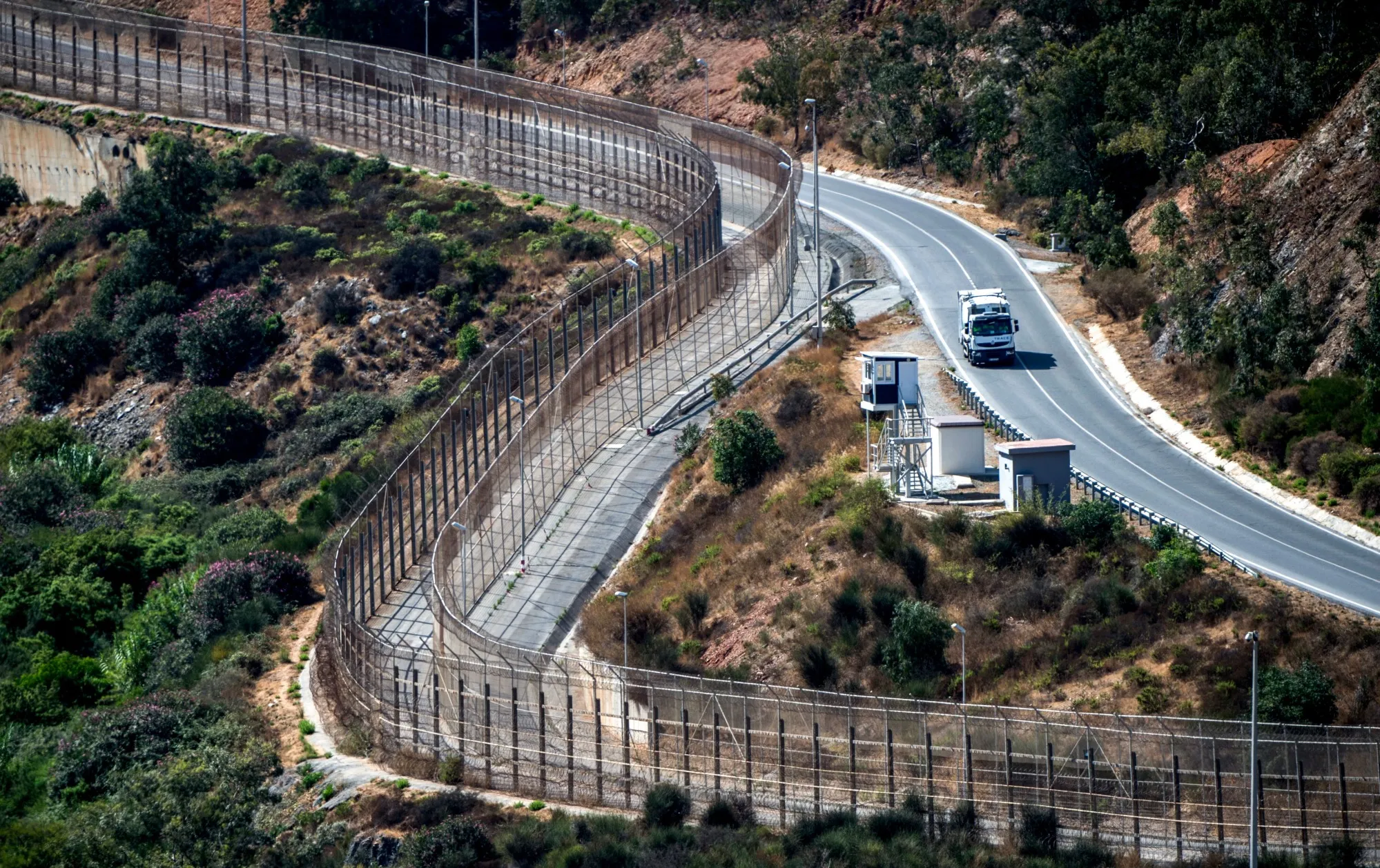
The catalyst for the surge emerged three weeks prior, following a Supreme Court ruling that authorities could not immediately push back migrants at sea. Despite legal experts clarifying that the decision did not preclude eventual returns, social media platforms became breeding grounds for misinformation. Influencers and anonymous accounts amplified false claims that reaching Ceuta guaranteed residency, while others circulated fabricated deadlines regarding Spanish regularization programs.
Local news reporting inadvertently compounded the situation. Footage intended to highlight the strain on Ceuta’s infrastructure, showing migrants successfully navigating the border, was repackaged by users as a call to action. Mounim Belhaj, an influencer with 31,000 followers, documented his own attempt to swim to the enclave, citing reports of favorable treatment at reception centers as his primary motivation. This narrative was bolstered by misleading clips—some filmed hundreds of miles away on Morocco’s Atlantic coast—that suggested an easy, welcoming passage.
By late July, the misinformation reached a fever pitch, with WhatsApp groups coordinating routes and urging participants to act before a window of opportunity closed. Spanish authorities reported that over 70,000 people attempted the crossing in a single day. The reality, however, proved starkly different from the online promises. Most who reached the enclave faced immediate hunger and hostility, leading to a mass retreat. While many eventually returned, hundreds remain trapped in Ceuta, including unaccompanied minors and sub-Saharan Africans who cannot be deported.



Comments (0)
No comments yet. Be the first!