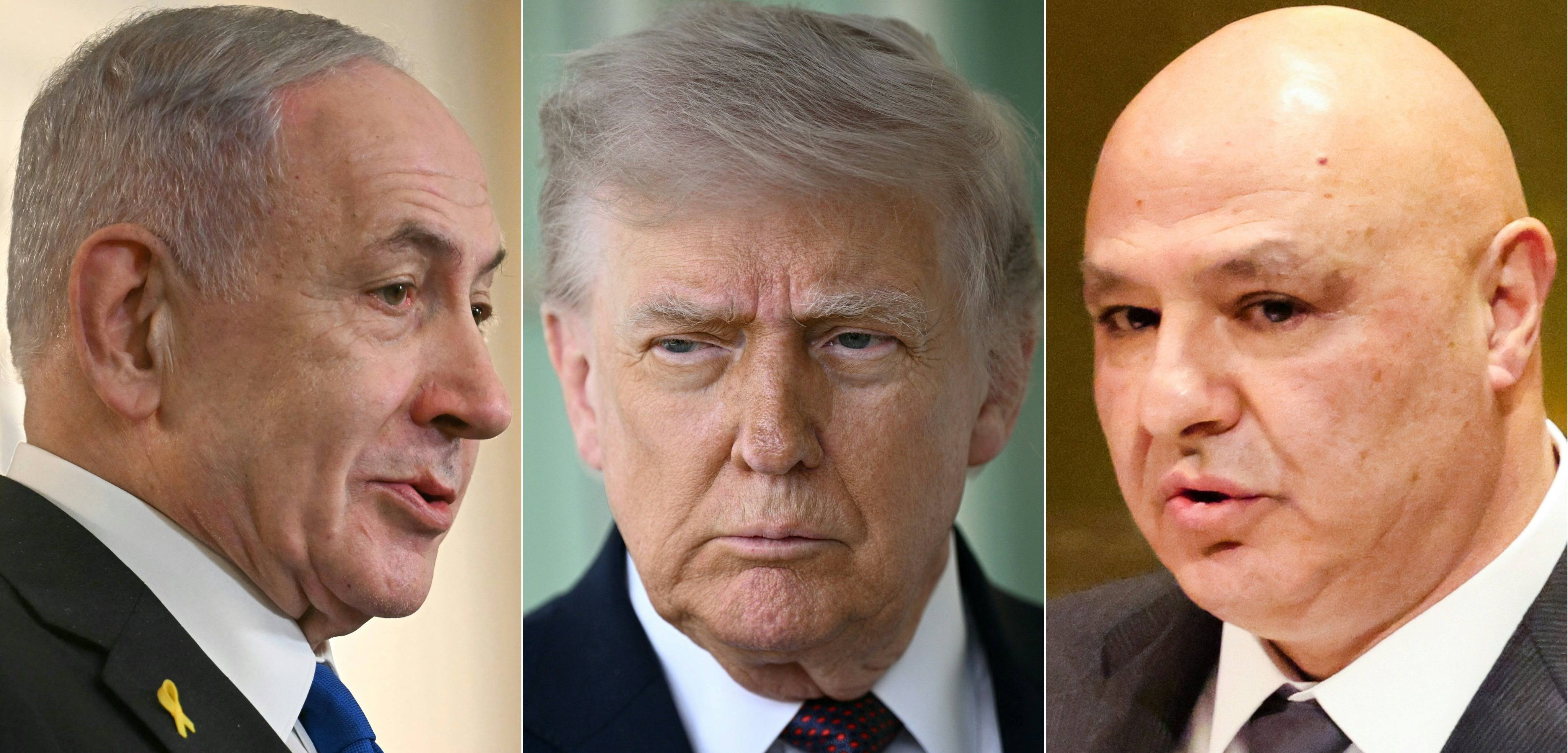
Beijing interprets the deepening US-Lebanese rapprochement—highlighted by the promise of direct flights and security support—as a direct challenge to its own long-term interests. Chinese analysts argue that Washington is attempting to consolidate the Lebanese Armed Forces as the country's sole legitimate power, effectively pushing for the disarmament of Hezbollah and the stabilization of the border with Israel under American supervision. This shift is viewed not as a benign diplomatic outreach, but as an aggressive expansion of Western soft power designed to integrate Beirut into the US-led system while preemptively blocking Chinese infrastructure investments.
The strategic concern in China stems from Lebanon’s critical role in the Belt and Road Initiative. With the US exerting dominance over the local banking sector and leveraging the threat of sanctions, Beijing fears that Washington’s "peace legacy" agenda will force Lebanon to choose between Western integration and essential commercial partnerships with the East. While the US administration markets the resumption of air travel as an economic lifeline for the struggling Lebanese state, Chinese think tanks maintain that this is a tactical realignment intended to secure the Mediterranean coastline against both Iranian military reach and Chinese economic penetration. Despite the political theater in Washington, Chinese intelligence notes significant technical and security hurdles remain, as the Federal Aviation Administration has yet to clear Beirut International Airport for the resumption of direct flights, leaving the practical implementation of these grand geopolitical designs still in question.



Comments (0)
No comments yet. Be the first!