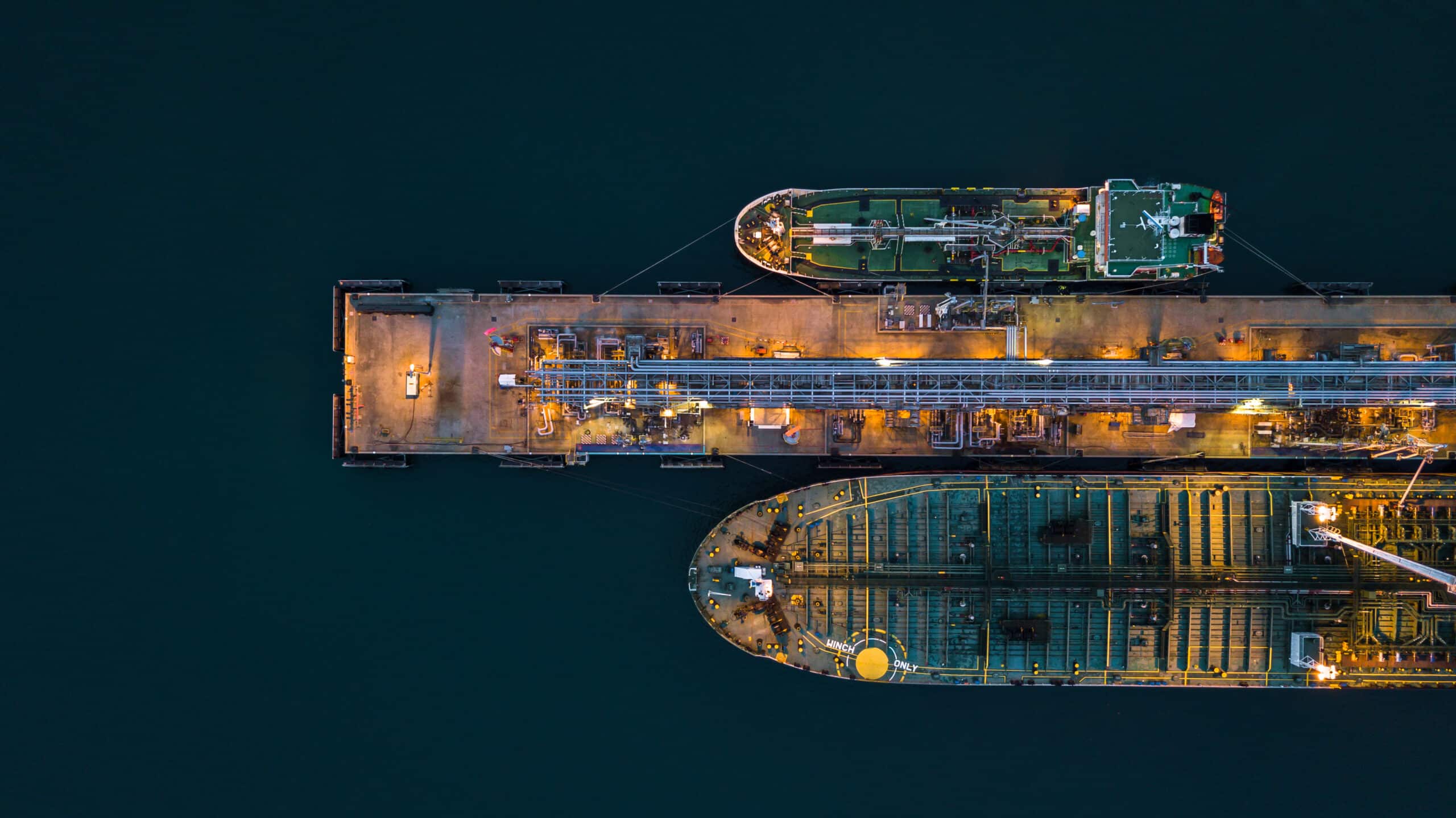
The Gulf, once a region of cyclical tension, now operates in a state of continuous crisis. Houthi attacks on Saudi infrastructure in Jizan and Yanbu have forced a militarized response, while the Strait of Hormuz remains effectively paralyzed. With shipping traffic plummeting and insurance premiums permanently elevated, the waterway functions less as a transit route and more as a volatile chokepoint. This instability is compounded by the structural failure of key energy hubs, such as the Ras Laffan complex in Qatar, where prolonged force majeure has severed vital LNG flows to a vulnerable Europe.
The war in Ukraine has acted as a catalyst, fusing disparate regional conflicts into a unified ring of instability. The Caspian Sea, previously an insulated corridor, has been drawn into the fray following direct confrontations between Iranian and Ukrainian interests. Simultaneously, the Black Sea and the Dardanelles have become heavily militarized zones where traffic bottlenecks and environmental risks threaten the flow of oil and grain. Further north, the Danish Straits have emerged as a strategic hinge, with uninsured shadow fleets creating a northern equivalent to the Gulf’s maritime hazards. These regions no longer react to events in isolation; they transmit tremors across a strained network where every incident interacts with the memory of previous failures. Prices on the Title Transfer Facility now reflect this lack of systemic resilience, swinging wildly as the market attempts to price in the permanent deformation of global supply chains.


Comments (0)
No comments yet. Be the first!