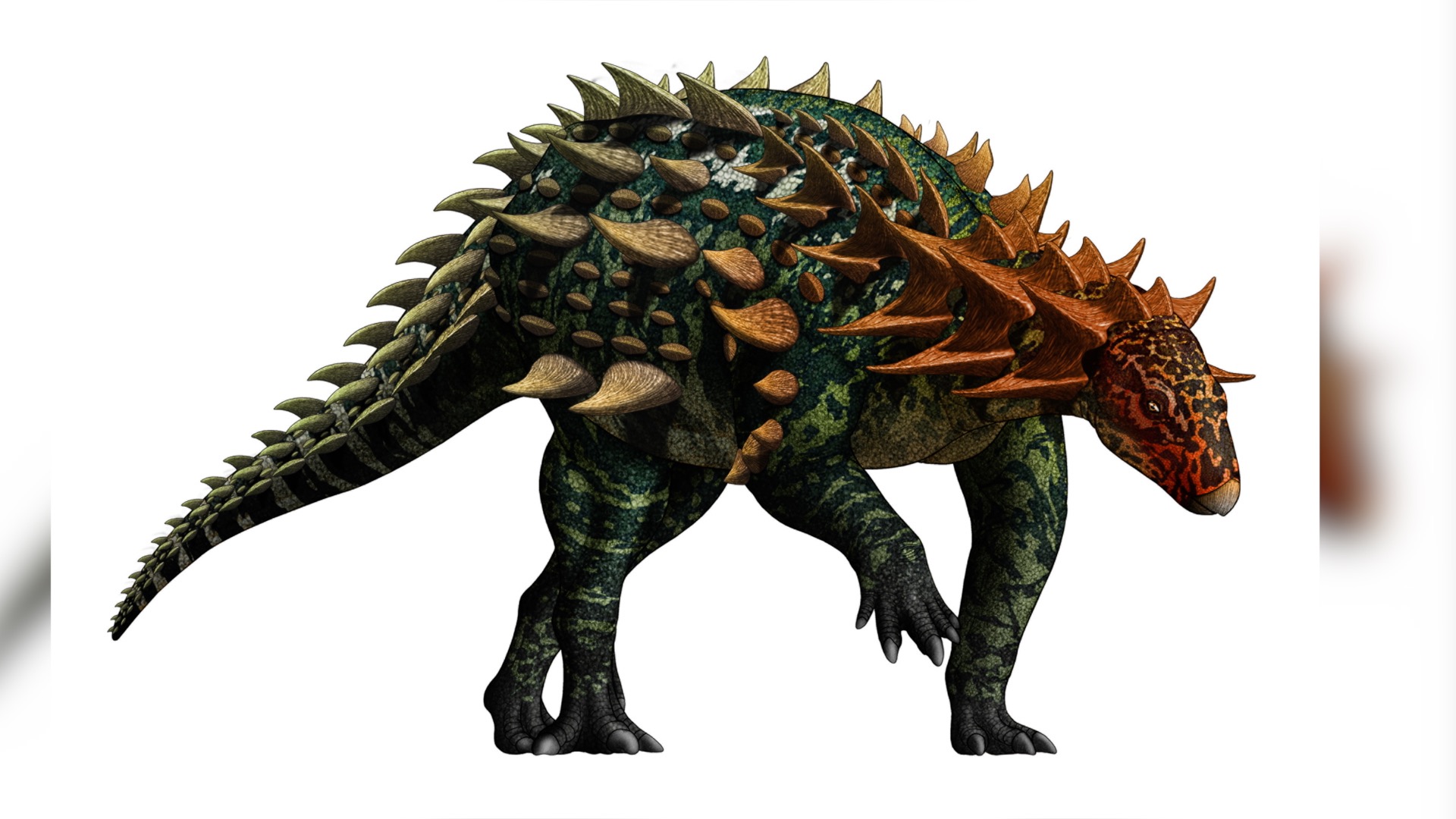
Professor Paul Barrett of London’s Natural History Museum identified the remains during a 2018 expedition, spotting the thigh, shin, and ankle bones as they weathered from the shoreline. The team realized the specimen was distinct from regional expectations, marking the first time Barrett has described a species he personally discovered. Named after the research team's floating laboratory, the houseboat Musankwa, the dinosaur stood roughly 1.5 meters tall at the hip and weighed approximately 390 kilograms.
As a member of the sauropodomorph group, this creature serves as a vital link to the later evolution of the massive, long-necked sauropods. Evolutionary analysis suggests a close relationship to species found in Argentina and South Africa, reinforcing theories that early dinosaurs traversed vast, contiguous territories with ease. Dr. Kimberley Chapelle, a co-author of the study, noted that the find underscores a significant gap in the global fossil record. She attributed the scarcity of African paleontological data to a historical lack of local exploration rather than a lack of specimens, pointing to the region as a primary frontier for future discovery.



Comments (0)
No comments yet. Be the first!