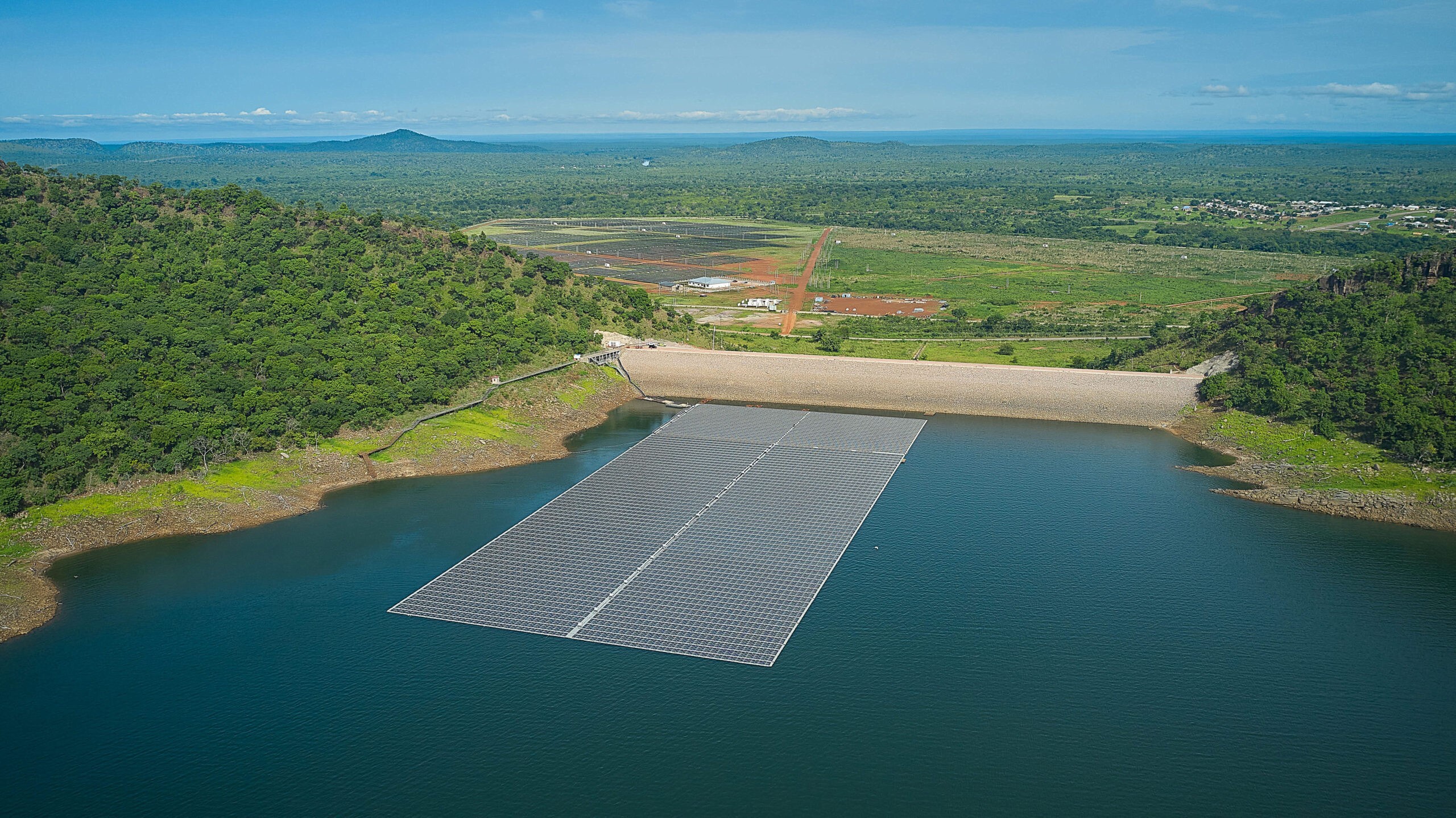
The government’s plan relies heavily on private sector participation, which is expected to provide $2.6 billion of the total investment. These funds are earmarked for diverse projects, including last-mile rural electrification, significant transmission upgrades, utility-scale solar farms, and regional interconnections with neighbors like Côte d'Ivoire, Mali, and Burkina Faso. To date, the country has completed eight mini-grids, with 35 more currently under construction.
Despite this momentum, administrative hurdles, parliamentary approvals, and procurement bottlenecks have slowed the remaining reform agenda. Deputy Minister for Energy and Green Transition Richard Gyan-Mensah confirmed that the government is actively working to dismantle these bureaucratic barriers to ensure project delivery. Wale Shonibare of the African Development Bank noted that the focus has shifted from policy planning to the practical execution of these investments. Moving forward, the reconstituted Energy Sector Working Group will oversee the finalization of the implementation support document, establishing clear timelines and responsibilities to keep the national electrification targets on schedule.




Comments (0)
No comments yet. Be the first!