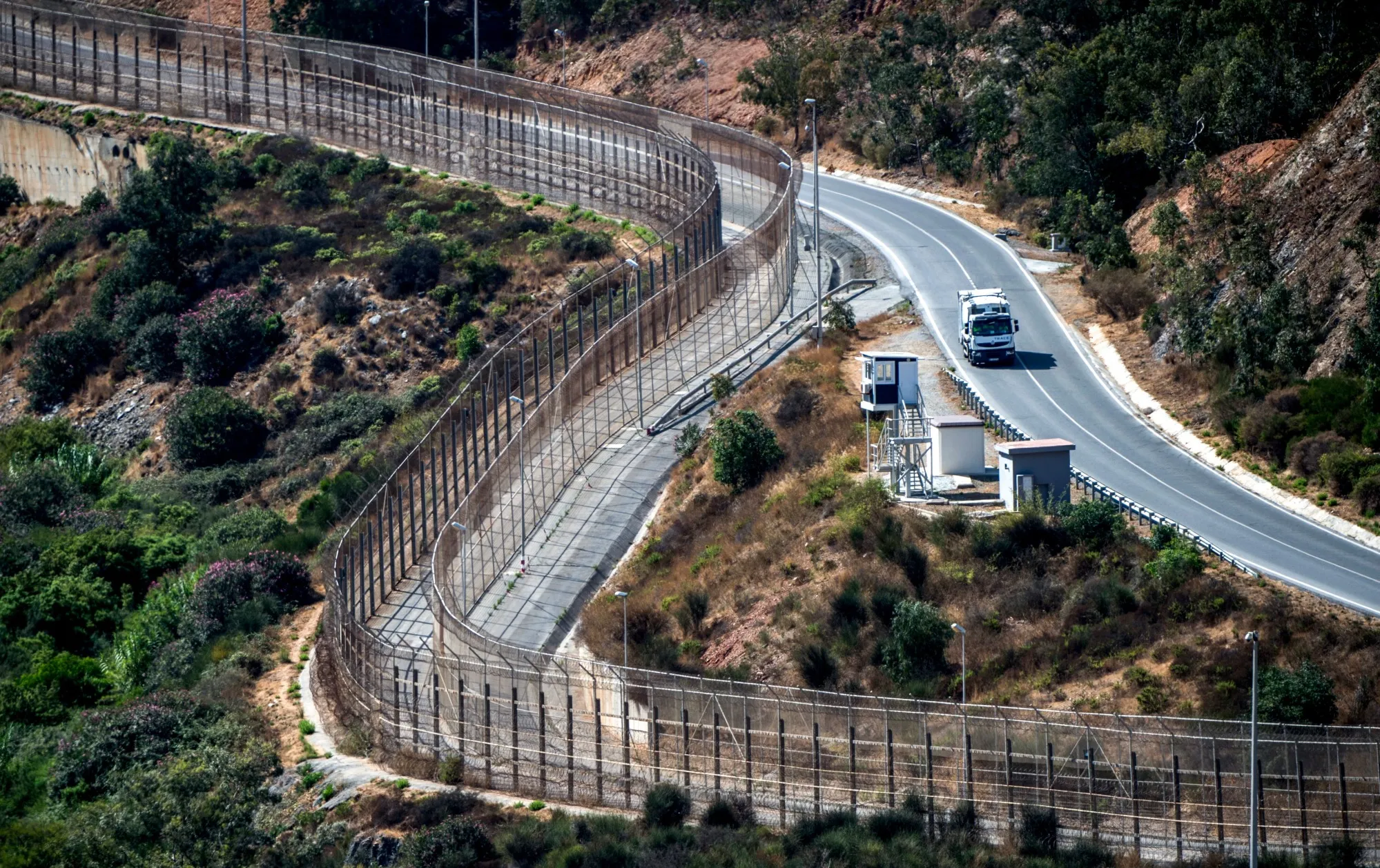
Official data highlights the scale of the frustration behind the movement, with one-quarter of Moroccans aged 15 to 24 neither employed nor in education. When rumors circulated online regarding a Spanish Supreme Court ruling—misinterpreted as a guarantee of entry—thousands saw a window of opportunity. For many, like waitress Dounia Kherradi, the decision to leave was a last-ditch effort to support families on wages that fail to cover basic needs.
The Spanish government, however, has labeled the surge a violation of sovereignty. Prime Minister Pedro Sanchez pledged to expedite repatriations and announced plans to install maritime buoys to demarcate the border. While officials blame the crisis on online misinformation, analysts point to a more complex diplomatic landscape. Past incidents suggest that Morocco has previously utilized migration flows as political leverage, particularly during times of tension over the Western Sahara dispute.
Despite recent improvements in bilateral relations, some observers note that the timing of the crossings—coinciding with the Throne Day holiday—mirrors previous instances of relaxed border enforcement. While Moroccan authorities have not commented on the specific surge, the incident underscores how deeply economic desperation and shifting geopolitical currents continue to destabilize the border between North Africa and Europe.


Comments (0)
No comments yet. Be the first!