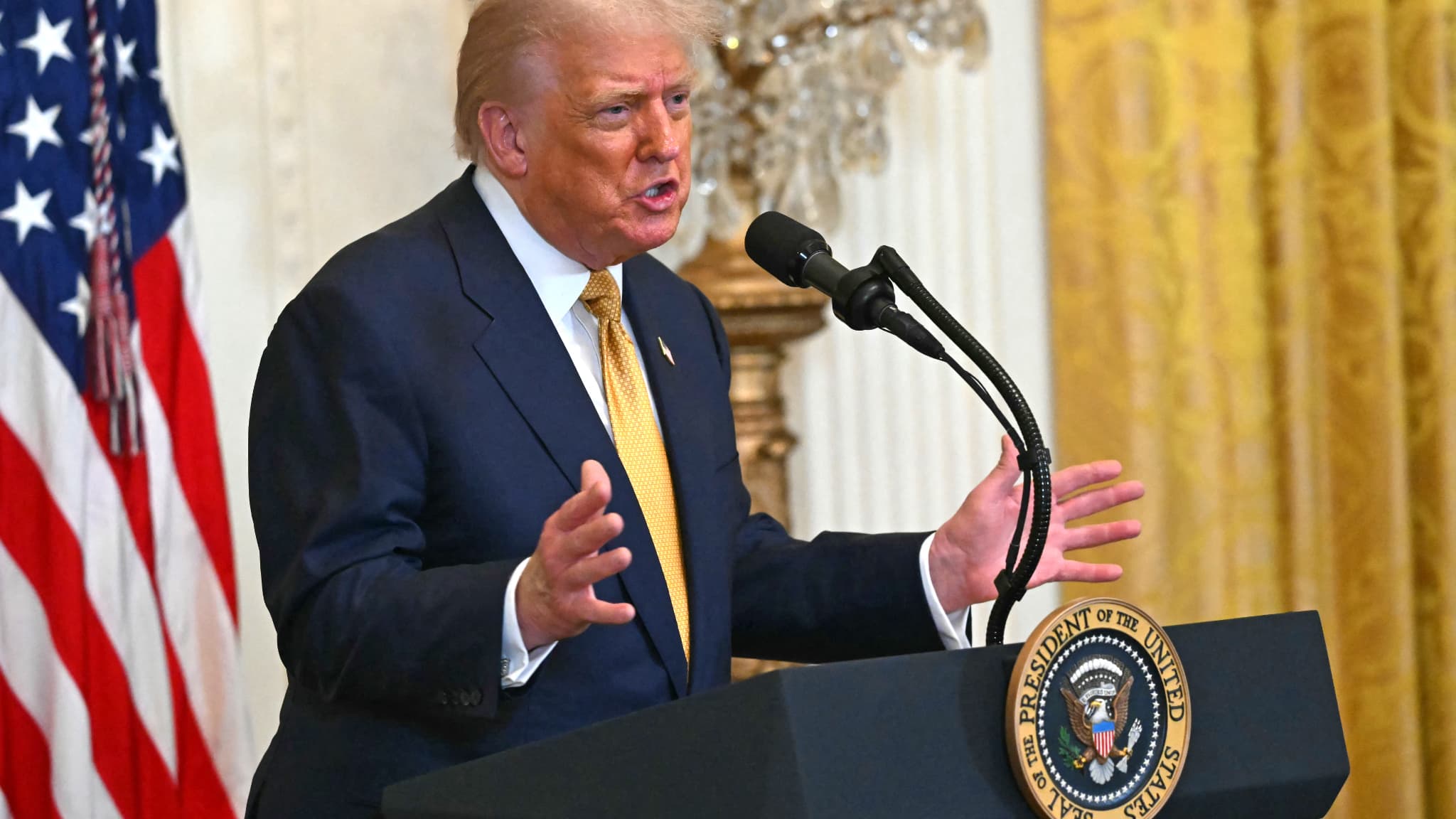
The defeat of Trump-aligned candidates has become a recurring pattern across several continents. In Brazil, Luiz Inácio Lula da Silva secured a victory over Flávio Bolsonaro, the son of a prominent Trump ally. Simultaneously, Serbian President Aleksandar Vucic, who actively cultivated ties with the U.S. administration, faced a decisive defeat against a student-led movement. Even in Hungary, the long-serving Viktor Orban failed to retain his position despite an official visit and public endorsement from Vice President JD Vance.
Experts argue that the perceived power of a Trump endorsement is often overstated. According to Cas Mudde, a professor of international affairs at the University of Georgia, national concerns consistently override global political trends. Stijn van Kessel of Queen Mary University of London noted that while far-right politicians frequently align themselves with Trump to project strength, these bonds are fragile. When national interests collide or a foreign partner becomes a political liability, these relationships often fracture, as seen in the recent diplomatic friction between Trump and Italian Prime Minister Giorgia Meloni.
Ultimately, domestic economic frustration remains the primary driver of voter behavior. As Trump’s own approval ratings hover near record lows due to rising energy costs and the ongoing conflict in Iran, his association can become a burden rather than a benefit. David Barker, a professor of government at American University, observed that voters may experiment with populist platforms during periods of economic hardship, but they quickly abandon such movements when they fail to deliver results. This volatility suggests that Trump’s ability to export his political influence is significantly more constrained than his domestic success implies.



Comments (0)
No comments yet. Be the first!