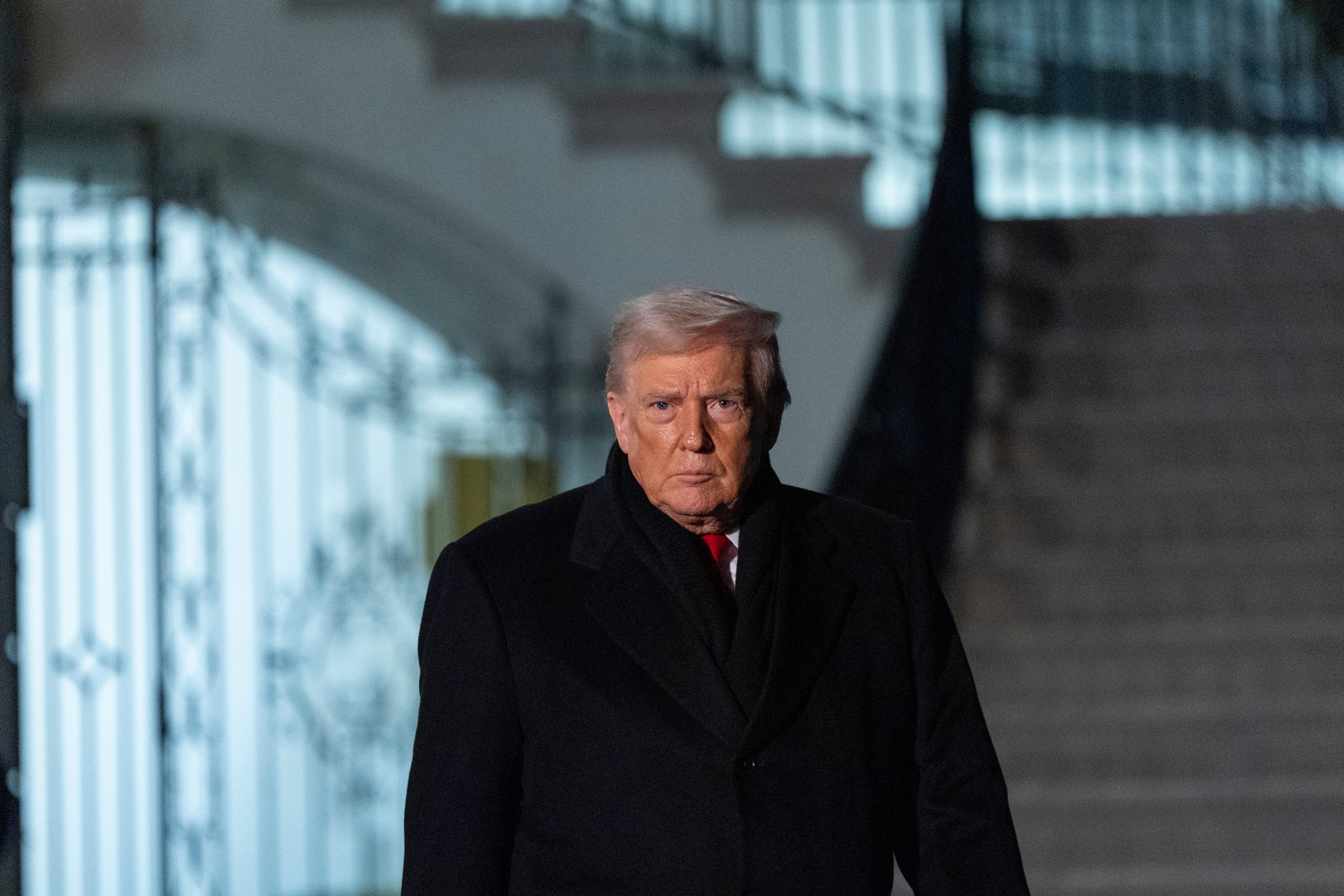
The framework, described by Donald Trump as a major milestone, faces immediate friction on the ground. While the U.S. proposal calls for the comprehensive disarmament of armed groups, Hamas negotiator Ghazi Hamad maintains that any movement on weapon handovers is contingent upon Israel ending its military offensive and withdrawing forces to October positions. Hamad characterized the proposal as difficult and painful, yet insisted that the technocratic National Committee for the Administration of Gaza (NCAG) can only assume governance once the initial Sharm el-Sheikh terms are met.
Israeli officials remain divided. While the government faces pressure to secure a deal, hardline members of the cabinet, including Police Minister Itamar Ben-Gvir, have explicitly rejected the roadmap, calling for a continuation of targeted assassinations. This policy remains a primary point of contention; shortly after the announcement, Gazan medical authorities reported fatalities from ongoing Israeli strikes, reinforcing the skepticism felt by displaced civilians in Gaza City who see no tangible shift in their daily reality.
International stakeholders, including the European Union, Germany, and Britain, have offered support for the NCAG’s role in future reconstruction. However, the roadmap’s success hinges on a phased withdrawal that has yet to be reconciled with Prime Minister Benjamin Netanyahu’s domestic political constraints ahead of the October elections. Without a clear mechanism to bridge the gap between Israel’s demand for disarmament and Hamas’s insistence on a prior military withdrawal, the agreement remains more of a diplomatic aspiration than a functional ceasefire.


Comments (0)
No comments yet. Be the first!